
Planting
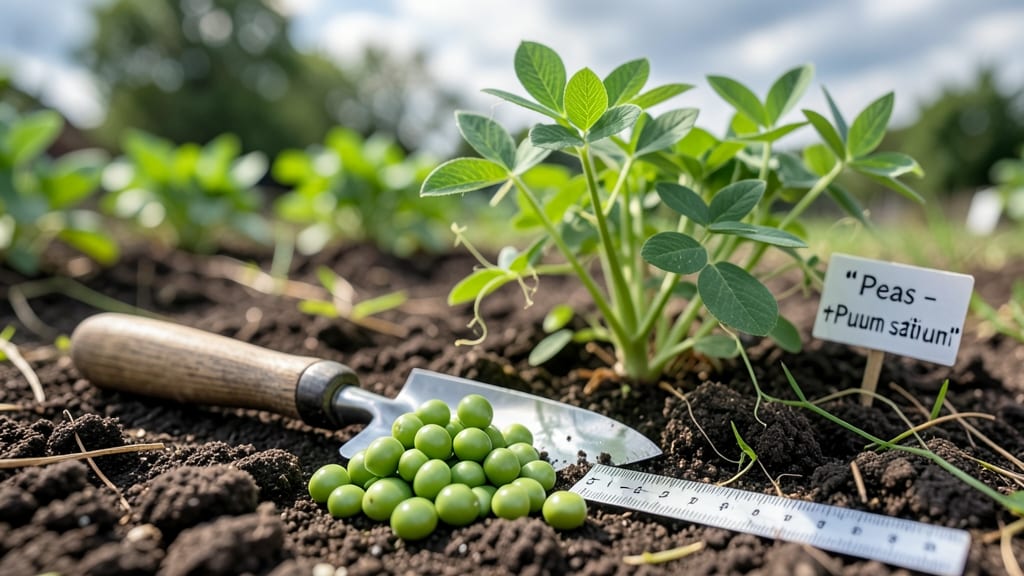
Planting pea seeds 1 inch deep is the sweet spot for best germination—any shallower risks drying out, any deeper slows their race to the surface.
I’ve watched 🌱 peas sprout in 3 days when planted just right, but struggle for weeks when buried too deep or left half-exposed. That’s the difference between a spring harvest and a wasted packet.
Peas thrive in cool soil, so timing matters too: aim for 2-4 weeks before your last frost in zone 6a, when temperatures hover around 50°F.
Below, I’ll walk you through the exact depth for your variety, how to prep the soil, and the one trick that doubles your success rate—no guesswork.
Optimal pea seed planting depth for maximum germination success
Pea seeds are delicate but resilient, and getting their planting depth right is the foundation for strong germination. Most gardeners overcomplicate this step, but the science is simple: pea seeds thrive when planted at a depth of ½ to 1 inch.
This range ensures they receive just enough moisture while staying protected from drying out or overheating. The key lies in balancing soil contact with exposure to ideal conditions.
Why this depth? Pea seeds contain limited energy reserves, so they need consistent moisture to germinate. Planting too shallow risks drying, while planting too deep can suffocate the seedling before it breaks through.
The ½ to 1 inch rule applies to most pea varieties, but factors like soil type and seed size can slightly adjust this guideline. Let’s break down the science behind it.
Soil moisture is the first critical factor. Pea seeds require consistent dampness to activate enzymes that break down stored nutrients. Planting too shallow (¼ inch) exposes seeds to rapid drying, while depths beyond 1.5 inches can trap moisture and cause rot. Aim for a moist, crumbly soil texture—like a damp sponge—when planting.
Temperature also plays a role. Peas germinate best in 50–75°F soil temperatures. If your soil is cooler (common in early spring), planting slightly deeper (1 inch) helps retain heat from the earth.
Warmer soils (70°F+) allow shallower planting (½ inch) without risking dryness. Always check soil temp with a thermometer before planting.
Seed size matters too. Larger pea seeds (like those from climbing varieties) can handle slightly deeper planting (1 inch), while smaller dwarf pea seeds may struggle if planted deeper than ½ inch.
The rule of thumb is: plant peas twice as deep as their diameter. Most commercial pea seeds fit this ½ to 1 inch sweet spot.
| Factor | Optimal Depth | Why It Matters |
|---|---|---|
| Standard Pea Seeds | ½ to 1 inch | Balances moisture and protection |
| Cool Soil (<55°F) | 1 inch | Retains warmth for germination |
| Warm Soil (70°F+) | ½ inch | Prevents overheating |
| Clay Soil | ½ inch | Avoids compaction |
| Sandy Soil | 1 inch | Retains moisture longer |
To achieve the perfect depth, use a pea seed planter or your finger to create a small furrow. Drop 2–3 seeds per spot (peas often produce multiple sprouts per seed) and cover them with soil, gently pressing to ensure contact.
Avoid compacting the soil too firmly—peas need room to push through. A light sprinkle of compost over the seeds adds organic matter, improving moisture retention.
After planting, keep the soil consistently moist but not soggy. A light mulch (like straw) helps maintain even moisture levels. Pea seedlings typically emerge in 7–14 days, depending on soil temperature.
If you notice slow germination, check for dry soil (plant too shallow) or excess moisture (plant too deep). Adjust future plantings based on these signs.
One common misconception is that larger seeds need deeper planting. While climbing peas (like Sugar Snap) can handle 1 inch, dwarf varieties (like Little Marvel) may struggle if planted deeper than ½ inch.
Always refer to the seed packet for variety-specific advice, but the ½ to 1 inch rule is your best starting point.
For container gardening, use well-draining pots with a depth of at least 6 inches. Plant seeds at the same ½ to 1 inch depth, but ensure the container has drainage holes to prevent waterlogging.
Containers dry out faster, so monitor soil moisture closely. A self-watering planter can help maintain consistent conditions for germination.
Finally, remember that peas are cool-season crops. Plant them 2–4 weeks before your last frost date for optimal growth. In warmer climates, opt for fall planting (late summer) to avoid heat stress.
By mastering the ½ to 1 inch depth, you’ll set your peas up for robust germination and a bountiful harvest.
Common mistakes when planting pea seeds too shallow or deep
Pea seeds are delicate, and planting them at the wrong depth can lead to poor germination, rotten seeds, or weak stems that struggle to support the plant.
Many gardeners accidentally plant too shallow, thinking the seeds need light to sprout—but peas actually require consistent moisture and protection from drying out. The ideal depth is 1 inch, but even slight deviations can spell disaster.
One of the biggest mistakes is planting peas too shallow, which exposes them to drying winds and temperature fluctuations. When seeds sit too close to the surface, they can overheat or dry out before germination.
On the flip side, planting too deep—beyond 1.5 inches—can suffocate the seed, preventing it from reaching moisture and air needed to sprout. Both extremes create conditions where seeds either fail to emerge or rot in the soil.
Too shallow: Seeds dry out, leading to no germination or weak seedlings.
Too deep: Seeds suffocate, causing rot or failed sprouting.
Check soil: Loosen soil to 1 inch depth—press firmly to test compaction. Use your finger to gauge depth; it should feel lightly resistant, not hard or crumbly.
Another common error is ignoring soil compaction. If your soil is packed tightly, even a 1-inch-deep hole can feel like a 2-inch depth to the seed. Before planting, use a garden fork to loosen the top 3-4 inches of soil.
This ensures peas get the right amount of space to grow without resistance. Pay attention to how the soil feels—it should be crumbly but not loose, like a well-aerated cake batter.
Clay soil is especially tricky because it compacts easily, making it harder for pea roots to penetrate. If you're working with heavy clay, mix in compost or sand to improve drainage and aeration.
Sandy soil, on the other hand, can dry out too quickly, so add a light mulch layer after planting to retain moisture. Both soil types require adjustments to maintain the ideal 1-inch planting depth and prevent seeds from drying out or suffocating.
Visual cues can help you avoid these mistakes. After planting, gently press the soil around the seeds to ensure they’re firmly but not tightly covered. If you see cracks forming in the soil surface, it’s a sign the seeds may be too shallow.
Conversely, if the soil feels soggy or overly dense when pressed, the seeds might be too deep. Always water gently after planting to settle the soil without displacing the seeds.
Finally, remember that pea seed size plays a role in depth. While most varieties are small, some larger seeds (like those of sugar snap peas) may need a slightly deeper planting—up to 1.25 inches.
Always check the seed packet for specific guidelines, but never exceed 1.5 inches unless you’re planting in very loose, sandy soil. With the right depth, your peas will sprout quickly and grow into healthy, productive plants ready for harvest.