
Planting
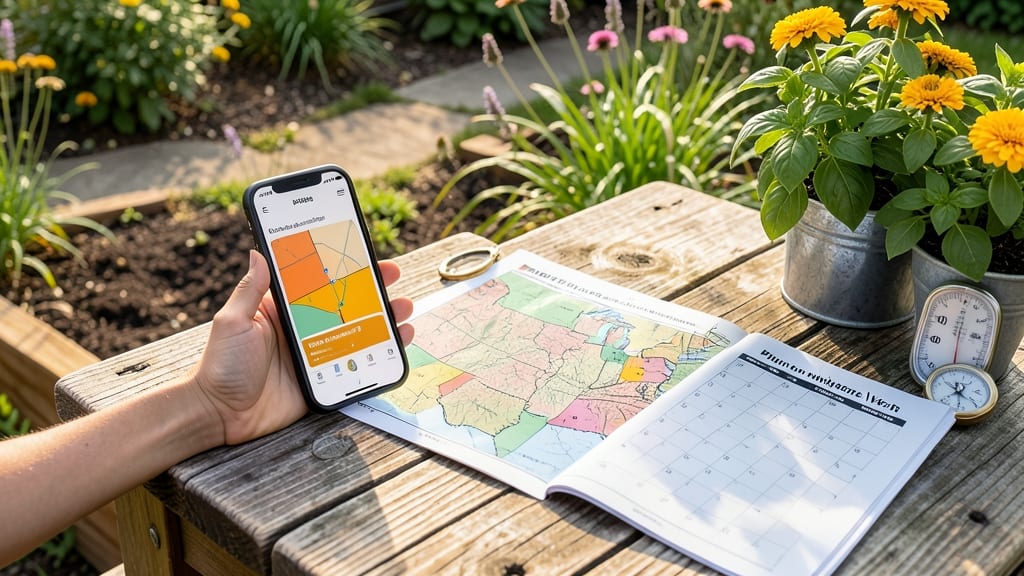
To find out what planting zone you live in, use the USDA Plant Hardiness Zone Map and enter your ZIP code or city. This reveals your official hardiness zone, which determines which plants thrive in your climate year-round.
Finding your planting zone is simpler than you might think.
The USDA's interactive map lets you pinpoint your exact zone in seconds by typing in your location. 🌱 This isn't just about planting—it's your gardening GPS, telling you which perennials will survive winters and which annuals will flourish in your summer heat.
Many gardeners discover their zone differs slightly from their neighbor's due to elevation or local climate variations, so always double-check with the official tool.
Once you know your zone, you'll unlock a world of plant possibilities. For example, zone 7 gardeners can grow tomatoes year-round, while zone 5 gardeners need to wait until after the last frost.
The map even shows how zones have shifted over time due to climate change, with some areas moving up a full zone since the original 1990 map was created.
💡 In This Article
- Understanding USDA Plant Hardiness Zones and Their Impact on Gardening
- Step-by-Step Guide to Locating Your Zone Using USDA Tools
Understanding USDA plant hardiness zones and their impact on gardening
The USDA Plant Hardiness Zone Map divides North America into 13 zones based on the average annual minimum winter temperatures. Each zone represents a 10°F range—so zone 5 ranges from -20°F to -10°F, while zone 9 spans 20°F to 30°F.
These temperature thresholds determine which plants can survive winter dormancy in your area. For example, a zone 6 perennial like peonies might freeze in zone 5 winters, while a zone 8 citrus tree would perish in zone 7's occasional dips below 10°F. 🌡️
Zones aren't static—they've shifted significantly since the original 1990 map. Climate change has warmed average winter temperatures by 2-4°F in many regions, causing some areas to jump from zone 6 to zone 7 or even zone 8.
The 2023 update reflects these changes, showing how zone boundaries have crept northward in states like New York and Wisconsin. This means gardeners in previously colder zones can now grow plants they couldn't before, like olive trees in zone 7b areas that now experience milder winters.
Microclimates add another layer of complexity. A south-facing wall can create a zone 8 microclimate in an otherwise zone 7 yard, while a low-lying area might experience frost pockets that drop temperatures 5°F colder than the official zone.
These variations explain why your neighbor's garden might thrive with plants that struggle in yours—even if you're just a few streets apart. Elevation plays a role too: mountainous regions can have zones that drop 3-5°F colder per 1,000 feet of elevation gain.
Understanding your zone helps you plan for seasonal transitions. The map's color-coded zones correlate with the last average frost date in spring and first frost in fall.
For instance, zone 5 areas typically see their last frost around April 15, while zone 9 might not experience frost until December 15. This timing is critical for planting cool-season crops like lettuce versus warm-season favorites like tomatoes.
The USDA also includes a plant heat zone map that accounts for summer temperatures, showing which areas can handle tropical plants like hibiscus or bananas.
For container gardeners, zones matter differently. Potted plants can be moved indoors during cold snaps, effectively extending their growing range. A zone 5 gardener might overwinter a zone 7 lemon tree in a greenhouse or on a sunny patio.
However, even container plants have limits—most citrus varieties need at least 10°F of winter protection, so they're still best suited for zone 8-10 climates long-term. The key is matching your plant's cold tolerance to your zone's minimum temperatures.
Don't overlook the USDA's transition zones—the areas where two zones meet. These regions often experience mixed conditions, making plant selection a bit trickier. For example, zone 6b/7a areas might see winters that dip just below 0°F some years but rarely drop below 5°F.
In these cases, choose plants labeled for both zones or opt for cold-hardy varieties known for their resilience, like 'Ken's Red' zucchini or 'Honeycrisp' apple trees. 🌿