
Planting
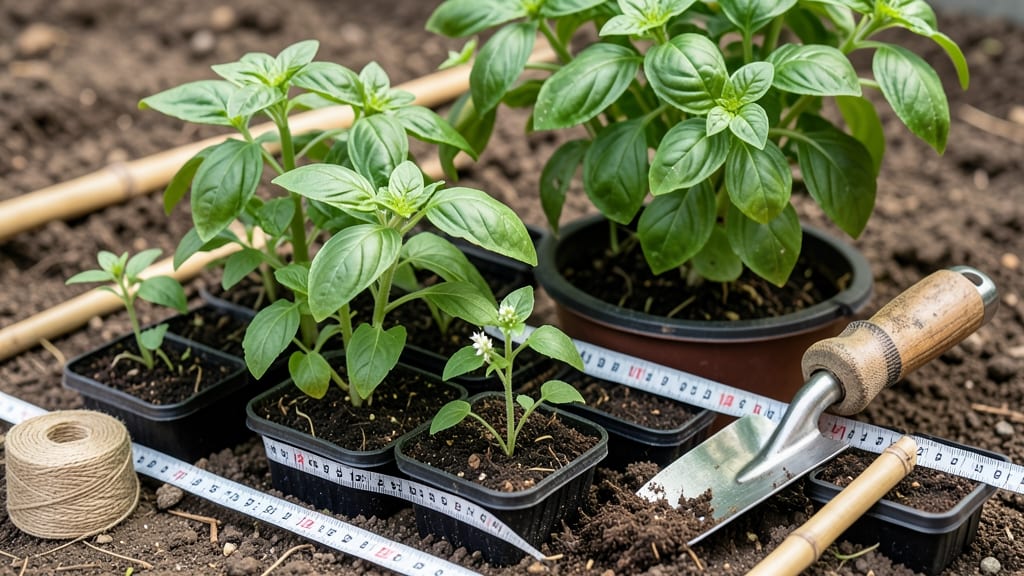
To plant basil with the right spacing, how far apart should basil be planted at 12 to 24 inches—this gives your 🌿 plants room to grow without competing for nutrients or sunlight.
Struggling to get your basil plants to thrive? The secret to lush, high-yield basil starts with proper spacing—plant too close, and you risk disease; too far, and you waste garden space. Here’s the science-backed spacing guide to maximize your harvest.
Basil thrives in full sun and well-draining soil, but its growth depends heavily on how much space you give it. Compact varieties like Thai basil can handle 12-inch spacing, while larger types like Genovese need up to 24 inches to prevent overcrowding.
In this guide, you’ll learn how to adjust spacing for containers, avoid common mistakes, and even pair basil with companion plants for a thriving herb garden. Let’s get your basil growing strong!
Optimal basil plant spacing by variety: 12- to 24-Inch guidelines
Getting your basil plants to thrive isn’t just about soil and sunlight—it’s also about proper spacing. Too close, and you’ll invite fungal diseases and stunted growth; too far, and you’ll waste precious garden space.
The right spacing guidelines depend on your basil variety, whether you’re planting in-ground or in containers, and your garden layout. Let’s break down the science-backed spacing rules for the most popular basil types to maximize your harvest.
Basil plants need room to breathe—literally. Airflow prevents moisture buildup, reducing the risk of downy mildew and other fungal issues. Proper spacing also ensures each plant gets enough nutrients and sunlight to grow bushy and productive.
For most basil varieties, the sweet spot is between 12 and 24 inches apart, but compact varieties like Thai basil can thrive in tighter spaces, while bushy types like Genovese basil need more room to spread.
Here’s the key: row spacing matters just as much as the distance between plants. In-ground basil should have 18- to 24-inch rows to allow for easy weeding, watering, and harvesting.
If you’re planting in containers or raised beds, you’ll need to adjust spacing to fit your pot sizes while still giving roots room to expand. Below, you’ll find a detailed comparison of the most popular basil varieties and their ideal spacing requirements.
Why does spacing matter? Poor spacing leads to overcrowded plants that compete for resources, resulting in weak stems, yellowing leaves, and reduced flavor. On the flip side, over-spaced plants may not fill out your garden beds efficiently. The goal is to strike a balance: enough space for healthy growth without sacrificing yield or garden real estate.
For Genovese basil, the gold standard for pesto, aim for 18- to 24-inch spacing in-ground. This variety grows bushy and wide, so giving it room prevents leaf diseases and ensures robust stems.
In containers, limit yourself to 1-2 plants per 12-inch pot to avoid overcrowding. If you’re planting multiple rows, space them 24 inches apart to allow for easy maintenance and airflow between plants.
If you’re growing Thai basil or Spicy Globe basil, you can get away with tighter spacing—12-16 inches apart. These varieties are more compact, making them ideal for container gardening or small-space gardens.
In a 10-inch pot, you can fit 2-3 Thai basil plants or up to 4 Spicy Globe basil plants, but monitor their growth closely to avoid overcrowding as they mature.
Purple basil and
How to adjust basil spacing for containers, pots, and raised beds
When space is limited, like in urban gardens or small backyards, basil can still thrive with the right adjustments. Containers, pots, and raised beds allow you to control spacing precisely, ensuring airflow and light exposure without sacrificing yield.
The key is understanding how container size and plant variety influence spacing needs.
For containers, one basil plant per 6-inch pot is ideal, but larger pots (12+ inches) can accommodate 2-3 plants if pruned regularly. In raised beds, space plants 12-18 inches apart to balance growth and airflow.
Smaller varieties like Thai basil can handle tighter spacing, while Genovese needs more room to avoid crowding.
| Setup | Spacing | Container Size | Max Plants |
|---|---|---|---|
| Small Containers | 1 plant per 6" pot | 6-8 inches | 1 |
| Medium Containers | 2 plants per 12" pot | 12-14 inches | 2-3 |
| Raised Beds | 12-18 inches apart | N/A | 4-6 per 4'x8' bed |
| Balcony Planters | 1 plant per 8" pot | 8-10 inches | 1-2 |
In containers, use well-draining soil and prune regularly to encourage bushier growth. Pinch back the top sets of leaves when plants reach 6 inches tall to promote lateral branching. This trick helps compensate for tight spacing by creating a fuller, more productive plant.
For raised beds, interplant basil with companion plants like tomatoes or peppers to maximize space. Basil’s aromatic leaves deter pests, benefiting nearby crops.
If using dwarf varieties, you can space them as close as 8-10 inches apart, but monitor for signs of overcrowding like yellowing leaves or stunted growth.
Always ensure containers have drainage holes to prevent root rot, a common issue in tight spaces. Water in the morning to allow foliage to dry before nightfall, reducing fungal risks. With these adjustments, even the smallest garden can produce a bountiful basil harvest.
🌿