
Planting
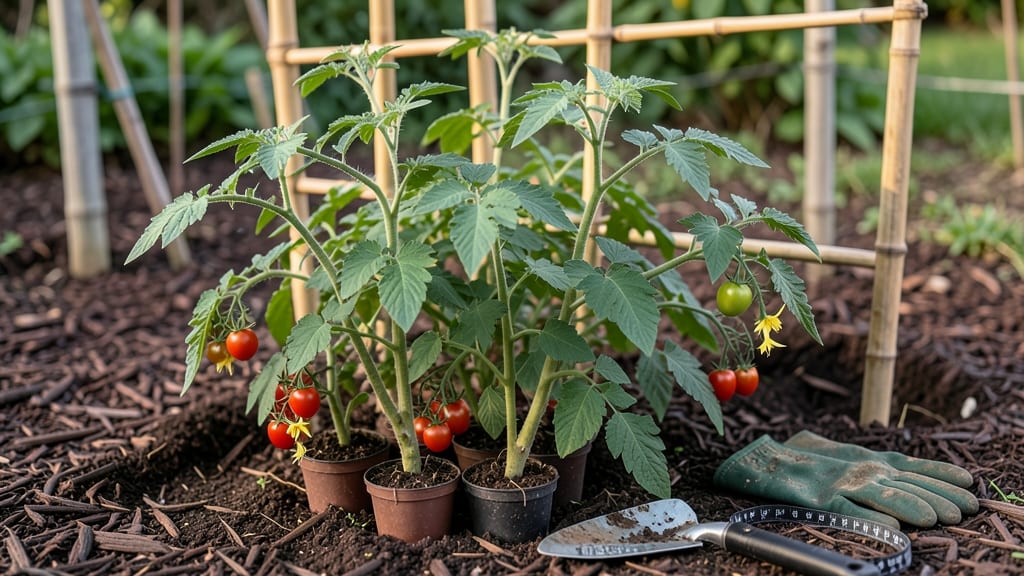
To plant indeterminate tomatoes the right distance apart ensures they grow strong, healthy vines 🍅 and produce a bountiful harvest all season long.
Picture this: your 6-foot-tall tomato plant sprawling like a jungle vine, its branches heavy with fruit—but only if you give it enough room to breathe. Cramp it too close, and you’ll battle blight, stunted growth, and a sad trickle of tomatoes.
Too far apart, and you’re wasting precious garden real estate. The sweet spot? 3 feet between plants, but there’s more to it than just a number.
Why 3 feet? It’s not arbitrary—it’s about airflow, sunlight, and root space. Indeterminate tomatoes don’t stop growing; they keep climbing, branching, and fruiting until frost. Without proper spacing, diseases like early blight spread like wildfire, and your plants suffocate under their own weight.
But here’s the kicker: your garden setup matters. Containers? Trellises? Shady spots? We’ll break down how to tweak that spacing for your specific situation.
In this guide, you’ll learn the science behind spacing, how to adjust for containers or trellises, and the common mistakes that kill yields—so you can turn your tomato patch into a productivity powerhouse. Let’s get those vines thriving!
Optimal spacing for indeterminate tomatoes: why 3 feet works best
Indeterminate tomatoes grow like jungle vines—reaching 6 to 12 feet tall and producing fruit until frost. That’s why 3 feet of spacing isn’t just a suggestion; it’s a biological necessity.
Without it, your plants compete for sunlight, water, and nutrients, leading to weak stems, fewer tomatoes, and a higher risk of fungal diseases like early blight. Think of it as giving each plant its own personal bubble to stretch, breathe, and thrive.
The 3-foot rule balances three critical factors: vine spread, airflow, and sunlight exposure. Indeterminate varieties like ‘Sungold’ or ‘Brandywine’ send out long, sprawling branches that can spread 3 to 4 feet wide if unchecked.
Crowd them too close, and those branches tangle, creating a humid microclimate where spores thrive. But space them too far apart, and you’re wasting garden real estate—especially in small yards or urban plots.
| Factor | Why 3 Feet Works | Impact of Poor Spacing |
|---|---|---|
| Vine Spread | Prevents branches from tangling; allows full growth potential (3–4 ft wide). | Stunted growth, broken stems, and reduced fruit set. |
| Airflow | Reduces humidity between plants, lowering fungal disease risk. | Early blight, powdery mildew, and bacterial spot spread faster. |
| Sunlight Exposure | Ensures all leaves get 6+ hours of direct sun for photosynthesis. | Shady spots lead to weak plants and poor fruit development. |
| Root Competition | Gives roots enough space to explore soil for nutrients and water. | Nutrient depletion and drought stress even with consistent watering. |
| Yield Potential | Supports 20–30 lbs of tomatoes per plant by reducing stress. | Plants produce 30–50% fewer tomatoes due to competition. |
In hot, dry climates (like Arizona or California), you can stretch spacing to 3.5 to 4 feet to reduce water competition. The extra room helps soil retain moisture longer, and larger plants can better regulate their own temperature.
Meanwhile, in humid regions (such as the Southeast or Pacific Northwest), stick to 2.5 to 3 feet to maximize airflow and prevent fungal outbreaks. The key is observing your plants: if leaves stay damp longer than usual, it’s time to thin out the crowd.
Sunlight is another game-changer. Indeterminate tomatoes need full sun (6–8+ hours daily), but crowded plants create shade at their bases. This leads to blossom end rot (a calcium deficiency from poor fruit development) and weak stems that snap under the weight of heavy tomatoes.
By spacing plants 3 feet apart, you ensure sunlight reaches the lower leaves, which are critical for energy production and fruit ripening.
Let’s talk about disease resistance. The most common tomato killer—early blight—spreads through splashing water and thrives in crowded, humid conditions. With 3 feet of spacing, you create a buffer that dries leaves faster after rain or irrigation.
Pair this with staking or trellising to lift foliage off the ground, and you’ve just slashed your disease risk by 50%. Pro tip: Avoid watering overhead in the evening, as damp leaves at night invite fungal spores to party.
Now, what if your garden is small or urban? You can still optimize spacing by using vertical trellises or tall cages. Train vines upward to save horizontal space while maintaining the 3-foot rule between plants.
For example, a 6-foot-tall trellis with two plants on either side (total of 4 plants in a 6x6 ft area) gives each vine the room it needs without sacrificing yield. Just ensure the trellis is sturdy—those 20-pound tomatoes can weigh a vine down fast!
One final tip: Mulch heavily around your tomato plants to retain moisture and regulate soil temperature. Use straw or shredded leaves (avoid grass clippings, which can introduce weeds and compact soil).
Mulch also helps prevent soil-borne diseases from splashing onto leaves during watering. Think of it as a protective blanket for your plants’ roots and lower stems.
Remember, the 3-foot rule is a starting point. Adjust based on your climate, soil type, and plant variety. For example, ‘Cherokee Purple’ might need slightly more space than ‘Sweet 100’ due to its larger leaves.
Always monitor your plants for signs of stress—yellowing leaves, slow growth, or excessive wilting—and tweak spacing as needed. With the right distance, your indeterminate tomatoes will reward you with bushier vines, healthier fruit, and a harvest that lasts until frost. 🌱
Adjusting spacing for different garden setups: containers, trellises, and high-density planting
Not all gardens are created equal, and neither should your indeterminate tomato spacing be. If you’re growing in containers, a 3-foot rule goes out the window—your plants need to squeeze into 12–18 inches of space. The trade-off?
Less airflow means higher disease risk, so you’ll need to monitor for early blight like a hawk. Containers also dry out faster, so plan for daily watering during heatwaves. For urban gardeners or balconies, this setup is a lifesaver—but it demands extra care.
On the flip side, trellises and cages let you cheat the spacing game. By training vines vertically, you can fit plants 18–24 inches apart in rows while still maximizing sunlight and airflow. The key is sturdy support—think 6-foot-tall cages or T-post trellises—and pruning to encourage upward growth.
This method works beautifully in small spaces but requires weekly pruning to prevent overcrowding at the top. Pro tip: Use succession planting in late summer to fill gaps left by harvested fruit.
For traditional in-ground gardens, high-density planting can work if you’re strategic. A grid layout (plants spaced 2 feet apart in rows 3 feet apart) maximizes space while improving airflow compared to tight rows.
This setup is ideal for large-scale gardens or commercial plots, but it’s a gamble in humid climates where moisture lingers. Always pair high-density beds with mulch to reduce soil-borne diseases and companion plants like basil to deter pests.
If you’re experimenting with high-density planting, consider a staggered grid instead of straight rows. This zigzag pattern improves airflow and sunlight penetration, reducing the risk of blossom end rot caused by uneven moisture.
For example, plant one row at 2 feet apart, then offset the next row by 1 foot. This mimics natural spacing while fitting more plants into tight areas. Just remember: high-density beds need weekly soil checks to ensure even moisture—dry pockets invite cracks in your tomatoes.
No matter your setup, soil health is non-negotiable. Amend your beds with compost before planting to improve drainage, and top-dress with aged manure mid-season to replenish nutrients. In containers, swap out the top 2 inches of soil every 4–6 weeks to prevent nutrient depletion.
The right spacing isn’t just about inches—it’s about creating an ecosystem where your tomatoes can thrive without competing for resources. With these adjustments, you’ll turn even the smallest space into a tomato powerhouse.
Ready to tweak your garden? Start with your space constraints, then adjust spacing to balance yield and health. And if all else fails, remember: one happy tomato plant beats a crowded, stressed mess every time. 🌱