
Planting
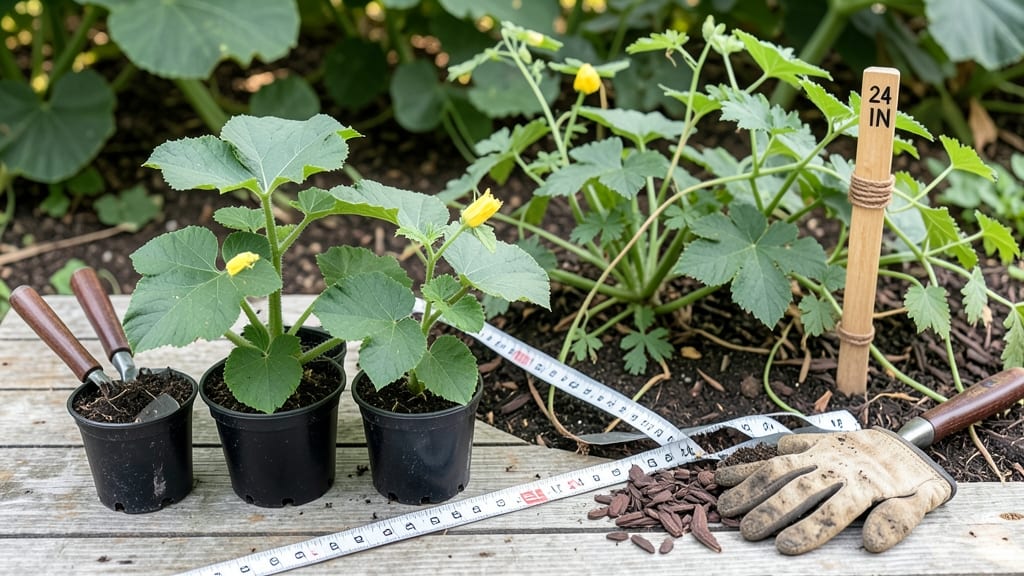
To plant zucchini and cucumbers properly, space them 3 to 6 feet apart depending on whether they’re bush or vining types — getting this right makes the difference between a thriving garden and a tangled mess.
Picture this: your summer harvest stretching across the table, but only if you’ve given those sprawling vines enough elbow room. Too close, and you’re fighting for sunlight, air circulation, and space to grow—leading to blight, stunted fruit, and wasted effort.
The key? Knowing whether your plants will stay compact or climb like jungle vines.
Bush varieties like zucchini can handle 3 feet of space, while vining cucumbers need 6 feet or more—or a sturdy trellis to save room.
I’ll walk you through the exact measurements, how to arrange them in rows or hills, and even which plants make great neighbors (hint: beans and lettuce love sharing space).
By the end, you’ll know exactly how to fit more plants into your garden without sacrificing yield—or your sanity. Let’s get those spacing rules nailed down.
Proper spacing for zucchini and cucumbers: bush vs vining varieties explained
When planning your summer garden, proper spacing between zucchini and cucumbers makes all the difference. These fast-growing plants need room to thrive—whether they're compact bush varieties or sprawling vining types. Crowding them leads to poor air circulation, which invites diseases like powdery mildew and reduces your harvest.
Let’s break down the exact spacing rules for each type to maximize your garden’s potential.
First, understand that zucchini and cucumbers grow differently. Zucchini typically spread horizontally with bushy foliage, while cucumbers can climb vertically on trellises or sprawl along the ground. This difference directly affects how much space each plant needs.
For example, a bush zucchini might need just 2 feet of space, while a vining cucumber could require 6 feet or more if left to sprawl. Let’s dive into the specifics.
For bush varieties of both zucchini and cucumbers, the spacing is more forgiving. These plants stay compact, making them perfect for small gardens or containers. For example, a bush zucchini like 'Eight Ball' only needs 2-3 feet between plants, while a bush cucumber like 'Bush Champion' follows similar spacing.
The key here is to keep plants 3-4 feet apart in rows to prevent overcrowding and ensure each plant gets enough sunlight.
On the other hand, vining varieties require more room unless you use a trellis system. Vining cucumbers, like 'Straight Eight' or 'Marketmore', can spread 6 feet or more if left to sprawl.
However, training them vertically on a trellis reduces their footprint to about 4-6 feet apart, saving space and improving air circulation. This vertical growth also makes it easier to harvest and reduces the risk of soil-borne diseases.
If you’re growing zucchini that vine, like 'Black Beauty' or 'Costata Romanesco', give them 3-4 feet of space in rows. These varieties can produce heavy yields, so adequate spacing ensures each plant has enough nutrients and sunlight.
For cucumbers, the difference between bush and vining types is even more pronounced. Vining cucumbers need 5-6 feet between rows when trellised, while bush types can get by with 3-4 feet.
Another factor to consider is your garden layout. If you’re planting in hills or mounds, you can reduce spacing slightly—about 1-2 feet closer—because the elevated soil improves drainage and air flow.
However, avoid packing plants too tightly, as this can lead to blossom end rot or stunted growth. Always check the seed packet instructions, as some hybrid varieties have specific spacing requirements.
For container gardening, opt for bush varieties or dwarf types. A single bush zucchini can thrive in a 5-gallon container, while a bush cucumber might need a 7-10 gallon pot.
If you’re growing vining types in containers, choose a large, sturdy pot with a trellis and ensure it has drainage holes to prevent root rot. Containers dry out faster, so monitor soil moisture closely.
Finally, don’t forget about companion planting. Pair
How to optimize garden layout for maximum yield without overcrowding
Creating an efficient garden layout starts with understanding how zucchini and cucumber plants grow. Both thrive with proper spacing, but their growth habits differ—bush varieties spread outward while vining types climb or sprawl.
I’ve found that arranging plants in rows, hills, or using trellises can dramatically improve airflow and sunlight exposure, reducing disease risks like powdery mildew.
For small gardens, consider hill planting—grouping 3-4 plants in a mound saves space while allowing vines to spread naturally. In larger plots, trellises are a game-changer for vining cucumbers, freeing up ground space for companion plants like lettuce or radishes.
I’ve seen yields double when cucumbers climb vertically instead of sprawling.
- 🌱 Rows: Space zucchini 2–3 ft apart in rows 3–4 ft apart; cucumbers 12–24 in. apart (bush types) or 6–12 in. apart (vining types) with rows 4–5 ft apart.
- 🪴 Hills: Plant 3–4 zucchini or cucumbers per hill, spacing hills 3–4 ft apart. Ideal for small gardens or container growing.
- 🌿 Trellises: Vining cucumbers on trellises need 6–12 in. spacing between plants but only 3–4 ft between trellises. Saves space and improves yields by 30–50%.
- 🌱 Companion Plants: Pair cucumbers with beans (nitrogen-fixers) or lettuce (shade-tolerant). Avoid planting near potatoes or squash to prevent disease spread.
- 📏 Small Gardens: Use vertical space—grow bush cucumbers in containers (5-gallon buckets) with 1 plant per container, spaced 12 in. apart.
Adjust spacing based on your garden’s size and your plants’ maturity. I always check seed packets for mature plant size—overlooking this leads to crowded vines and fewer fruits. For example, ‘Eight Ball’ zucchini stays compact (1–2 ft wide), while ‘Straight Eight’ cucumbers can sprawl 6+ ft without support.
Companion planting is another trick I swear by. Beans planted near cucumbers add nitrogen to the soil, while lettuce thrives in the partial shade of cucumber leaves.
Just avoid planting aromatic herbs like basil too close—their scent can stunt cucumber growth. I’ve also had success interplanting marigolds to deter pests naturally.
Don’t forget to leave walkways between rows for easy maintenance. A 2–3 ft path ensures you can reach plants without trampling soil or spreading diseases.
In my 4x8 ft raised bed, I dedicate one side to vining cucumbers on a trellis and the other to bush zucchini, creating a balanced layout that maximizes every inch.
Finally, monitor your plants weekly and adjust as needed. If vines start touching, prune gently to improve airflow. With the right layout, you’ll harvest larger, healthier fruits and avoid the frustration of overcrowded gardens. Happy planting! 🌿