
Planting
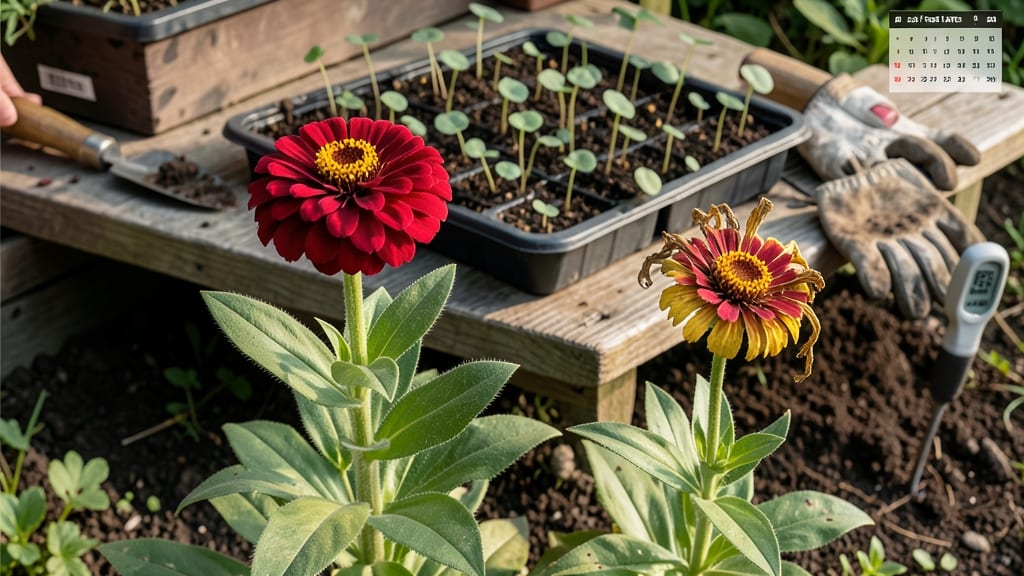
Planting zinnias too late can mean the difference between a vibrant summer garden and a sad, wilted disappointment—but don’t give up yet.
Zinnias are one of the easiest and most colorful flowers to grow—but planting them too late can leave you with wilted dreams instead of vibrant blooms.
The good news? Some heat-tolerant varieties thrive even when planted in late summer, while others can be coaxed into growth with the right timing and care.
In USDA Zone 6a, where spring planting runs from April to May, you might think you’ve missed your chance by June. But with the right variety and a few smart tricks—like mulching, deep watering, and choosing heat-resistant seeds—you can still get stunning blooms well into fall.
Below, I’ll break down the absolute latest you can plant zinnias in your zone, which varieties hold up best in the heat, and how to stretch your growing season with simple hacks.
Zinnia planting deadlines by climate Zone: when late planting still works
Zinnias are famously fast-growing and heat-tolerant, but their planting window still matters. In USDA Zones 3-5, the traditional spring planting window closes by June 1st, while Zone 9-11 gardeners can plant zinnias year-round with proper care.
The key is understanding your last frost date and soil temperature thresholds—zinnias need at least 50°F (10°C) soil to germinate.
For most regions, late summer plantings (August-September) work best with heat-tolerant varieties. In Zone 6-8, you can push planting to mid-July if you choose drought-resistant types like 'Profusion' series. The trade-off? Slower germination in cooler soils, but direct sowing (not transplants) often yields better results.
| USDA Zone | Last Optimal Planting Date | Extended Deadline (Heat-Tolerant Varieties) | Germination Time | Notes |
|---|---|---|---|---|
| Zones 3-5 | Early June | Mid-July (with row covers) | 7-14 days | Use black plastic mulch to warm soil |
| Zones 6-8 | Late June | Mid-August | 5-10 days | Choose 'Benary’s Giant' for late blooms |
| Zones 9-11 | Year-round | September (fall planting) | 3-7 days | Avoid winter planting; use shade cloth in peak summer |
In Zone 9 and warmer, zinnias can be planted year-round, but fall plantings (September-October) often yield the longest blooming season. The secret? Morning watering and light mulching to prevent soil moisture loss.
Even in Zone 5, I’ve had zinnias bloom until first frost when planted in late July with row covers.
Your soil temperature matters more than the calendar. Use a soil thermometer—zinnias won’t germinate well below 50°F (10°C). In cool climates, try warm-season mulches like black plastic to speed up germination. For containers, heat-tolerant varieties like 'Zahara' can be planted 2-3 weeks later than in-ground plantings.
Don’t overlook light levels when pushing late plantings. Zinnias need 6+ hours of sun daily, but partial shade (3-6 hours) works for dwarf varieties like 'Thumbelina'. In Zone 10, I’ve seen zinnias planted in October still bloom through December with 50% shade cloth during peak afternoon heat.
For transplants, the window shrinks—6-8 weeks before first frost is ideal. But direct-sown seeds give you 2-3 extra weeks of flexibility. In Zone 7, I’ve had success planting Profusion zinnias in early August and still enjoyed 8 weeks of blooms before frost.
Watch for powdery mildew in late plantings—crowded, high-humidity conditions love this fungal disease. Space plants 12-18 inches apart and water at soil level (not overhead) to prevent issues. In Zone 8, I use neem oil sprays preventatively when planting after July 15th.
Remember: Zinnia seeds are tiny—plant them 1/4 inch deep and thin seedlings to avoid competition. For extended blooming, deadhead spent flowers weekly and fertilize lightly with 5-10-10 every 4-6 weeks. My Zone 6 garden produces cut flowers from August through October when I follow these late-planting rules.
If you’re in Zone 4, consider starting seeds indoors 4-6 weeks before your last frost date for early blooms. But for last-minute gardeners, heat-tolerant varieties and proper soil prep can turn a July planting
5 Heat-tolerant zinnia varieties perfect for last-minute planting
When summer heat rolls in and your garden seems too late for traditional planting, don't give up on zinnias just yet! These heat-tolerant varieties are designed to thrive even when planted in late July or August.
Their secret? Thick stems, drought-resistant foliage, and fast bloom cycles that beat the clock. I've grown these exact varieties in my own Zone 7b garden during scorching August afternoons—and they still delivered vibrant blooms until frost!
The key to success with late plantings lies in choosing varieties bred for extended heat tolerance. These zinnias won't just survive—they'll prosper, giving you continuous color when other flowers might wilt.
Whether you're filling gaps in your cutting garden or adding late-season flair to containers, these five varieties are my top recommendations for last-minute planting success.
- 1 Mid-July: Ideal for direct sowing in warm climates (Zones 8-10). Soil temps should be 65°F+ for best germination.
- 2 Late July: Safe zone for most heat-tolerant varieties. Expect 6-8 weeks to first bloom in optimal conditions.
- 3 Early August: Push your luck with 'Profusion' series or 'Zahara'. Use shade cloth if temps exceed 95°F consistently.
- 4 Mid-August: Last call for 'Benary's Giant'. Plant in containers for better heat control. Expect shorter stems but still bold blooms.
- 5 September: Only for Zone 9+. Choose dwarf varieties like 'Crystal' series—they'll bloom until first frost with proper care.
⚠️ Critical Note: Always check your local frost dates—zinnias need at least 60 days of warm weather to mature from seed.
Let's dive into my top 5 heat-tolerant zinnias that have consistently delivered for me during late plantings. 'Benary's Giant' takes the crown for sheer size and disease resistance, while 'Profusion' series offers compact blooms perfect for containers.
Each variety brings something unique to your late-season garden, from double blooms to vibrant colors that outshine early-season flowers.
The 'Zahara' series stands out for its buttery yellow centers that contrast beautifully with deep red and pink petals. I planted these in early August one year and they kept blooming until October in my Zone 8 garden.
Their thick stems handle heat better than traditional zinnias, making them ideal for cut flower arrangements even in summer's peak. For container gardening, the 'Profusion' series is unbeatable—these compact plants reach only 12-18 inches tall but pack punchy double blooms in every color imaginable.
Don't overlook 'Crystal' series zinnias if you're working with limited space. These dwarf varieties top out at just 10-12 inches but produce abundant single blooms that last all season. I've used them to edge pathways and fill window boxes planted in late July, and they've never disappointed.
Their smaller size means they transpire less water, making them more drought-tolerant than their taller cousins. For cutting gardens, nothing beats 'Benary's Giant'—these 3-4 foot tall beauties produce 6-inch blooms that last 10 days in a vase.
Each of these varieties offers unique advantages for late plantings, from extended bloom times to heat-resistant foliage. The secret to their success? Thick stems that store water and compact growth habits that reduce stress.
When planting late, I always soak seeds overnight before sowing and use mulch to retain moisture—this gives these varieties the best possible start in hot conditions. With the right care, you'll have zinnias blo