
Planting
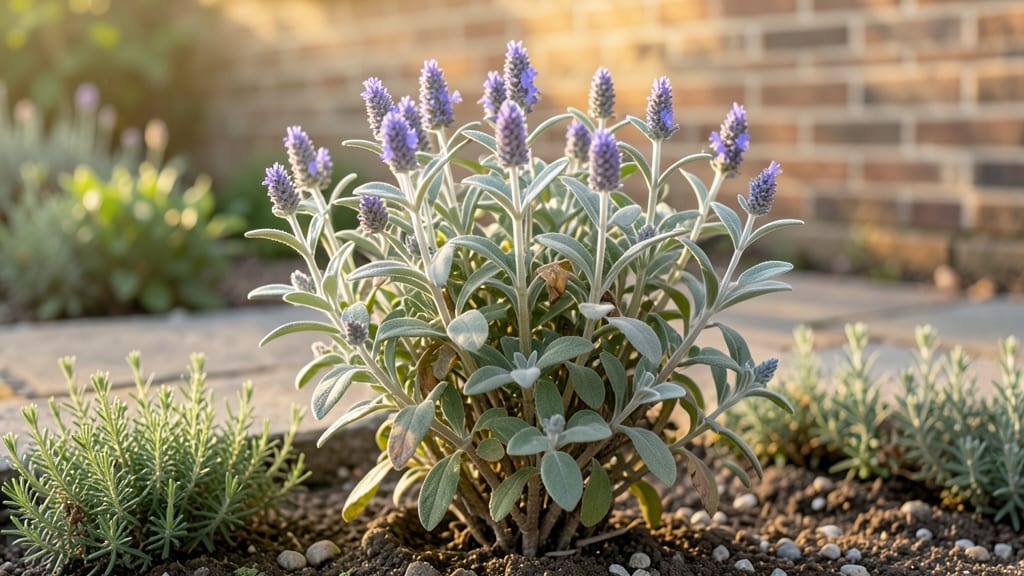
Growing sage from seed takes about 10 to 21 days to germinate, with full maturity and harvestable leaves arriving in 60 to 90 days—but the timeline shifts dramatically if you start with cuttings or a nursery plant.
Ever wondered why your fragrant sage leaves seem to take forever to appear? The answer lies in how you start it. Seeds are the slowest method, while cuttings or transplants can give you edible leaves in as little as 30 days under ideal conditions.
Sage thrives in full sun and well-draining soil, which means the right environment can cut weeks off your wait. Whether you're planting in USDA Zone 6a or a container, understanding these stages helps you plan for a faster harvest.
Below, I’ll break down the exact germination timeline, key growth stages, and how to accelerate your sage’s development—so you can enjoy fresh leaves sooner rather than later.

Sage growth timeline: from seed to first harvest by variety
If you're eager to grow fragrant sage in your garden, understanding the growth timeline is key to patience and planning. Whether you're starting with common sage, purple sage, or golden sage, each variety has its own pace—from seed germination to that first harvest-ready harvest.
I’ve grown all three varieties in my backyard, and I’ll share exactly what to expect at each stage, including how cold hardiness affects your timeline.
Sage is a hardy perennial, but its growth speed varies dramatically based on your starting method. Seeds can take 4-6 weeks just to germinate, while nursery plants may be ready for harvest in as little as 90 days.
Let’s break down the timeline for each popular sage variety, so you know exactly when to expect those aromatic leaves.
For common sage, the fastest route to harvest is starting with a nursery plant. If you’re growing from seed, expect to wait 90-120 days for full maturity, but you can begin harvesting leaves as early as 60 days once the plant is at least 6 inches tall.
My first harvest from seed was in late June when I planted in early April.
Purple sage takes slightly longer to mature due to its slower initial growth. The 21-30 day germination period is the longest among the three, and the first harvest won’t happen until 70-100 days.
This variety thrives in warmer climates (Zones 6-9), so if you’re in a cooler zone, consider starting seeds indoors 6-8 weeks before your last frost date.
Golden sage is the speediest of the bunch, with germination in just 14-21 days and a harvest window as early as 50 days. Its golden foliage also makes it a standout in containers or herb gardens.
I’ve found that golden sage handles partial shade better than the other varieties, which is great for gardeners with limited sun exposure.
Cold hardiness plays a huge role in your sage’s growth timeline. If you’re in Zone 5 or below, start seeds indoors in March and transplant after the last frost. In Zones 6-8, you can direct-sow in early spring or late summer for a fall harvest.
My Zone 6a garden yields two harvests per year this way—one in summer and another in early fall.
Once your sage reaches maturity, it’s a perennial that will regrow year after year. The first year is all about establishing roots, but subsequent years bring faster growth and larger harvests. Prune back one-third of the plant in early spring to encourage bushier growth and more abundant leaves.
To accelerate growth, focus on well-draining soil and full sun exposure. I’ve seen sage grow 30% faster when planted in raised beds with added compost. Water deeply but infrequently—sage is drought-tolerant once established, but consistent moisture during germination is critical.
Remember, the key to a successful sage harvest is patience and proper care. Whether you’re growing common sage, purple sage, or golden sage, tracking your plant’s progress against these timelines will help you plan for the best flavor and yield.
Why your sage seeds aren’t germinating fast enough (and how to Fix it)
If your sage seeds are taking longer than expected to sprout, don’t panic—it’s often a fixable issue. Sage seeds can be finicky about their growing conditions, and small adjustments can make all the difference.
The average germination time for sage seeds ranges from 14 to 30 days, but delays often stem from light exposure, soil temperature, or moisture imbalance. Let’s troubleshoot the most common culprits and get those seedlings popping up faster.
First, check your light conditions. Sage seeds need bright, indirect light to germinate—direct sunlight can overheat the soil and inhibit sprouting. If you’re using a seed tray indoors, place it near a south-facing window or under a grow light for 12-14 hours daily.
Avoid dark corners or closets, where seeds may rot before germinating. Even if your seeds are buried just ¼ inch deep, they still need that light signal to break dormancy.
Next, verify your soil temperature. Sage seeds thrive in soil that’s 65-75°F. If your home is cooler, especially in early spring, your seeds may be waiting for warmer conditions. Use a seedling heat mat set to 70°F to create the ideal environment.
Cold soil slows metabolism, delaying germination by weeks. Pro tip: Test your soil with a thermometer—if it’s below 60°F, your seeds are likely in a holding pattern.
⚠️ callout-warning ⚠️
Sage seeds need consistent moisture but hate soggy soil. Keep the soil evenly damp (like a wrung-out sponge) by misting daily and covering the tray with plastic wrap to retain humidity. Check moisture every 2-3 days—if the top inch feels dry, water gently. Never let seeds sit in standing water, or they’ll rot before sprouting.
💧 Fix: Use a spray bottle for precise watering and elevate trays to improve drainage.
Another hidden issue? Old or low-quality seeds. Sage seeds lose viability quickly—if yours are over 1 year old, germination rates drop dramatically. Test a few seeds in a damp paper towel at 70°F for 7 days to check viability.
If fewer than 50% sprout, it’s time for fresh seeds. Even with old seeds, scarification (lightly sanding the seed coat) can help break dormancy and speed up germination.
For faster results, try pre-soaking seeds for 24 hours in lukewarm water before planting. This mimics natural rainfall and kickstarts the germination process. After soaking, plant them ¼ inch deep in a well-draining mix (equal parts potting soil and perlite).
Avoid compacted soil—sage seeds need air and moisture to reach them. If you’re still waiting after 30 days, consider starting over with fresh seeds or switching to sage cuttings, which root in just 2-3 weeks.
Finally, be patient but proactive. Sage seeds are slow to germinate compared to faster herbs like basil, but with the right conditions, you’ll see those first green shoots in 2-4 weeks.
Once they emerge, thin seedlings to 3 inches apart and provide full sun to encourage robust growth. With these tweaks, you’ll be harvesting fragrant sage leaves in no time!