
Planting
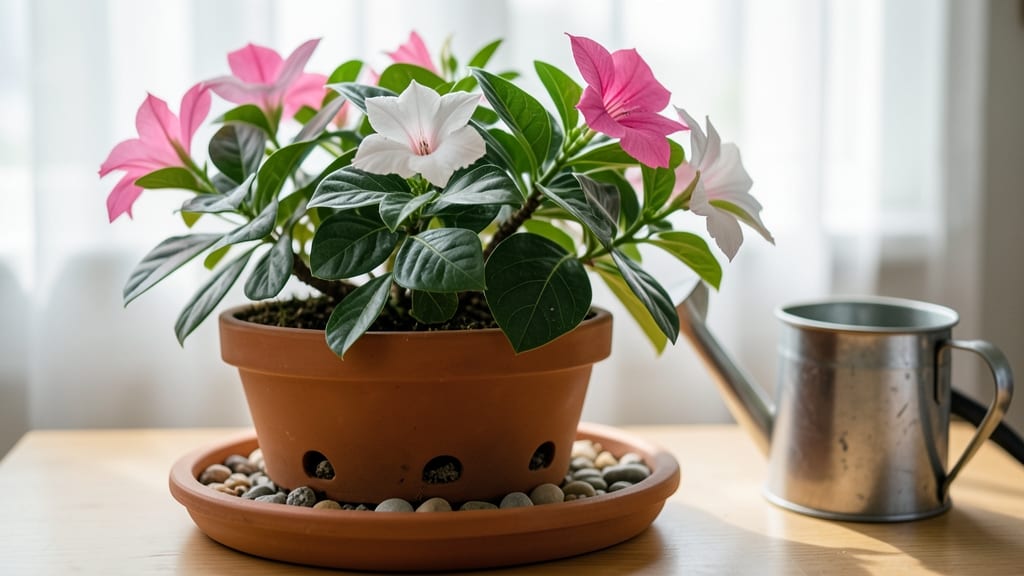
How to care for a mandevilla plant in pots turns your patio into a tropical paradise with vibrant blooms that last all summer. 🌺 I’ve learned the hard way—overwatering and poor drainage are the fastest ways to kill this beauty. The key is mimicking its natural rainforest home: bright, indirect light, well-draining soil, and containers with drainage holes. Start with a 10-15 gallon pot for mature plants, and use a mix of potting soil and perlite to prevent soggy roots. Water when the top inch feels dry, and always empty saucers after watering—mandevillas hate wet feet. Prune leggy stems in spring to encourage bushier growth, and fertilize lightly every 4-6 weeks during bloom season. By summer’s end, you’ll have a plant covered in trumpet-shaped flowers that attract hummingbirds. The secret? Consistency—these tropical divas thrive on routine, not fuss. Even my black thumb can’t kill these with the right care. For winter, bring pots indoors near a sunny window and cut back watering. With these adjustments, your mandevilla will bounce back stronger than ever for next season’s blooms.
📚 In This Guide
- What you need
- Instructions
- Tips and common mistakes
- Wrapping up and next steps
What you need
- ● Pot: 1-2 well-draining pots (12–18 inches in diameter) with drainage holes. Terracotta or ceramic works best.
- ● Potting Mix: 1 bag (5–10 quarts) of well-draining, airy mix (e.g., 50% cactus/succulent mix + 50% perlite or orchid bark).
- ● Mandevilla Plant: 1 healthy vine (bare-root or in a nursery pot). Check for green leaves and no pests!
- ● Watering Can or Hose: 1 with a gentle spray or narrow spout for precise watering.
- ● Fertilizer: 1 bottle of balanced liquid fertilizer (10-10-10 or 20-20-20) or slow-release granules.
- ● Pruning Shears: 1 pair of sterilized, sharp shears for trimming.
- ● Support Structure: 1 trellis, bamboo stake, or cage (4–6 feet tall) for climbing.
- ● Mulch (e.g., orchid bark or pine needles) to retain moisture.
- ● Plant saucer or tray to catch excess water.
- ● Grow lights (LED, full-spectrum) for low-light conditions.
- ● Humidity tray or pebble tray to boost moisture in dry climates.
- ● Plant food (e.g., seaweed extract or fish emulsion) for extra nutrients.
Step-by-step instructions for caring for Mandevilla in pots
Here's how to keep your Mandevilla blooming like a tropical vacation—no greenhouse required.
🪴 Step 1: Choose the Right Pot and Drainage
Mandevilla roots need room to spread but hate soggy feet. A 5-gallon container is ideal for one plant, with at least one drainage hole. If your pot lacks drainage, drill a few holes yourself—roots will rot if water pools at the bottom. I always add a 2-inch layer of gravel or broken pottery at the bottom before soil to create a drainage buffer.
Terracotta pots work best—they breathe and help prevent root rot. Plastic pots hold moisture longer, so use them only if you're diligent about watering. The pot should have 1-2 inches of space between the plant's root ball and the pot edges to encourage new root growth.
☀️ Step 2: Provide Bright, Indirect Light Daily
Mandevilla craves bright, indirect light—think morning sun with afternoon shade. A south- or west-facing window is perfect, but direct afternoon sun will scorch the leaves. If your plant starts to look leggy with small leaves, it's stretching for more light. Move it closer to the window or supplement with a grow light for 6-8 hours daily.
Watch for signs of stress: yellowing leaves mean too much sun, while dark green, sparse leaves signal insufficient light. Rotate the pot a quarter turn weekly so the plant grows evenly. I keep mine on a wheeled plant stand so I can adjust position easily as seasons change.
💧 Step 3: Water When Soil Dries to the Touch
Stick your finger 1-2 inches into the soil—when it feels dry, it's time to water. Mandevilla roots are sensitive to overwatering, so always water thoroughly until you see moisture drain from the bottom holes. Empty the saucer afterward to prevent root rot. In summer, you'll water every 2-3 days, but cut back to once a week in winter when growth slows.
Underwatering shows as crispy leaf edges, while overwatering causes yellowing leaves that wilt even when soil is moist. I water in the morning so any excess moisture evaporates during the day. If the top inch of soil feels damp, wait another day—better to underwater slightly than drown the roots.
✂️ Step 4: Prune for Bushier Growth and More Blooms
Pinch back the tips of new growth when stems reach 6-8 inches to encourage branching. Use clean, sharp pruners to cut just above a leaf node at a 45-degree angle. This simple step transforms leggy plants into bushy, bloom-heavy shrubs. I prune mine in early spring and again after the first flush of flowers to keep them compact.
Deadhead spent blooms regularly to redirect the plant's energy into new flowers. If your Mandevilla grows too tall for your space, prune back by one-third in late winter. The plant will bounce back with vigorous new growth and even more blooms in spring. Just avoid heavy pruning in fall—it stresses the plant before winter dormancy.
🌱 Step 5: Feed and Fertilize for Continuous Blooms
Use a balanced, water-soluble fertilizer (10-10-10 or 20-20-20) every 2-4 weeks during spring and summer. Dilute it to half-strength to avoid burning the roots. I switch to a low-phosphorus fertilizer (like 15-5-15) in fall to promote root growth rather than blooms. Always water the plant thoroughly before fertilizing to prevent salt buildup in the soil.
Yellowing leaves or brown tips after fertilizing mean you're overdoing it. Flush the soil with plain water if this happens. In winter, reduce feeding to once every 6-8 weeks as growth slows. The key is consistency—Mandevilla responds best to regular, light feedings rather than heavy doses occasionally.
Tips & tricks for perfect Mandevilla plant care in pots
Here's what nobody tells you about keeping your Mandevilla thriving—these small tweaks make all the difference.
Drainage Buffer: That 2-inch layer of gravel or broken pottery at the bottom of your 5-gallon pot isn't just decoration—it's your first line of defense against root rot. If you notice water pooling even after drainage holes, add an extra inch of gravel. I've seen Mandevillas saved from overwatering damage just by this simple adjustment. The key is preventing water from sitting against the roots for more than a few minutes.
Light Rotation Hack: That quarter turn weekly isn't just about even growth—it's also a way to check your plant's health. If one side consistently looks paler, it's getting less light. I keep a small notepad near my plant stand to track which direction gets the most sun. You'll notice the difference in just a few weeks with more uniform foliage and better bloom distribution.
Fertilizer Timing: The 2-4 week feeding schedule during spring and summer works perfectly, but here's the secret: always fertilize in the morning. This gives the plant time to process nutrients before evening, and you'll see fewer brown leaf tips. I also mix my fertilizer with water in a separate container first—this prevents clumping when I water through the pot's drainage holes.
Pruning Recovery: When you prune back by one-third in late winter, don't toss those cuttings! Place them in water with just the bottom inch submerged. Many will root within 3-4 weeks, giving you free plants. I've propagated half my collection this way. Just be patient—Mandevilla cuttings root slowly compared to other tropicals, but they're worth the wait.
Pro Tips for Care For A Mandevilla Plant In Pots
- Here's what nobody tells you about keeping your Mandevilla thriving—these small tweaks make all the difference.
- Drainage Buffer: That 2-inch layer of gravel or broken pottery at the bottom of your 5-gallon pot isn't just decoration—it's your first line of defense against root rot.
- Light Rotation Hack: That quarter turn weekly isn't just about even growth—it's also a way to check your plant's health.
Frequently asked questions
Got questions about keeping your Mandevilla happy in pots? You’re not alone! Here are some of the most common concerns—plus quick fixes to keep your plant thriving.
How often should I water my potted Mandevilla?
Water your Mandevilla when the top 1-2 inches of soil feel dry. In hot weather, this could mean every 2-3 days, while cooler months may stretch it to once a week. Overwatering is the #1 killer—always check moisture before adding more!
Can Mandevillas survive winter in pots?
Mandevillas are tender perennials and can’t handle frost. In cold climates, bring pots indoors before temps drop below 40°F (4°C). A sunny windowsill or grow light works, but reduce watering slightly. Dormancy is normal—they’ll bounce back in spring!
Why are my Mandevilla leaves yellowing or dropping?
Yellow leaves often signal overwatering or poor drainage. Check for root rot (smelly, mushy roots) or soggy soil. Fix it: Repot in fresh, well-draining mix and trim affected roots. Underwatering can also cause drop—keep soil consistently moist but not soggy.
Do Mandevillas need pruning, and when?
Prune in early spring to shape the plant and encourage bushier growth. Cut back leggy stems by 1/3 and remove dead flowers. Pro tip: Pinch new growth tips to promote fuller foliage!
Are there drought-tolerant Mandevilla varieties?
While no Mandevilla is fully drought-proof, Mandevilla sanderi (syn. Dipladenia) handles dry spells slightly better than others. Still, mulch pots and water deeply during heatwaves to prevent stress. All varieties love humidity!
Wrapping up and next steps
Caring for a Mandevilla plant in pots is a rewarding journey—just remember: bright light, well-draining soil, and a little patience are your best friends! 🌿 With the right balance of watering, pruning, and seasonal adjustments, your plant will flourish and treat you to stunning blooms year after year.
Now that you’re armed with these tips, why not share your progress with fellow plant lovers or explore more tropical varieties to expand your green collection? Happy gardening!