
Planting
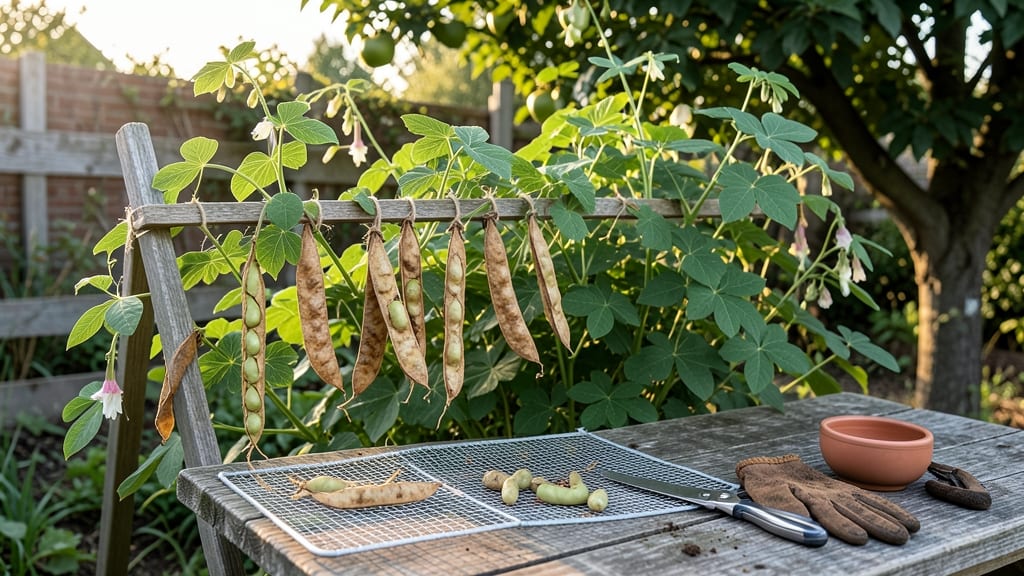
Drying peas transforms fresh harvests into pantry staples that taste like summer all year. 🌱 The trick is patience—peas need gentle drying to preserve their sweetness, whether you use sun, air, or even your oven.
I’ve dried hundreds of pounds this way, and the key is consistency: too fast and they shrivel; too slow and they spoil. Start with perfectly ripe, dry peas—no moisture left on the pods.
Spread them in a single layer on screens, trays, or even clean towels, stirring every few hours to prevent mold. Sun-drying works best in warm, dry climates (think 75-85°F), but indoor methods like a dehydrator or low oven heat (120-140°F) are foolproof for humid days.
Once fully dry—when peas rattle inside their pods—store them in airtight containers away from light. Properly dried peas keep for 1-2 years, and the first bite in winter always tastes like victory. The secret? Uniform drying—no clumps, no damp spots.
Troubleshooting is easy: if peas develop mold, they dried too slowly. If they’re brittle, they dried too fast. Aim for crisp but flexible pods—those are your winners.
📚 In This Guide
- What you need
- Instructions
- Tips and common mistakes
- Wrapping up and next steps
What you need
- ● Fresh peas: 1–2 lbs (harvested at peak ripeness—look for firm, vibrant pods!).
- ● Cleaning station: A large bowl or colander (stainless steel or food-grade plastic).
- ● Cool water (for rinsing).
- ● A kitchen towel or paper towels (for patting dry).
- ● Drying surface: Option 1 (Sun-Drying): A clean, flat screen (e.g., window screen or mesh drying tray).
- ● Option 2 (Indoor Drying): A baking sheet lined with parchment paper or a dehydrator tray (if using a dehydrator).
- ● Storage containers: Airtight glass jars, food-grade buckets, or Mylar bags with oxygen absorbers (for long-term storage).
- ● Labeling supplies: Masking tape + marker (to note the date and variety).
- ● A fan (to gently circulate air while drying indoors).
- ● Desiccant packets (for extra moisture control in storage).
- ● Food dehydrator (if you prefer a faster, low-heat method).
- ● Humidity monitor (to ensure drying conditions are ideal—aim for <30% humidity!).
Step-by-step instructions for drying peas the natural way
Here's my go-to method for turning fresh peas into long-lasting, flavorful dried peas using just sunshine and patience.
🌱 Step 1: Harvest and Prep Peas for Drying
Pick peas when pods are fully plump but before they start to wrinkle—this is when they're at peak sweetness. Shell them immediately and spread the peas on a clean kitchen towel to catch any stray pods or debris. I like to work in batches of about 1 quart at a time to keep things manageable.
Rinse the peas briefly under cool water to remove any dirt or field residue, then drain them completely. Pat them dry with a clean towel—this step is crucial because any moisture left on the peas will slow down the drying process and potentially lead to spoilage. Spread them out in a single layer on a baking sheet lined with parchment paper.
☀️ Step 2: Choose Your Drying Method and Location
For the sunniest method, lay the peas on a clean, dry screen or mesh tray placed in a spot that gets full sun for 6-8 hours daily. A covered porch, balcony, or even a sunny windowsill works well. If you're drying indoors, place a small fan nearby to circulate air—this helps prevent mold and speeds up the process.
I know it seems counterintuitive, but don't cover the peas with anything. Covering traps moisture and can create a breeding ground for mold. Instead, gently stir the peas every 2-3 hours to ensure even drying. You'll know they're ready when they feel dry to the touch and have a papery skin—this usually takes 3-5 days depending on humidity levels.
⏰ Step 3: Test for Doneness and Store Properly
When the peas are fully dried, they should rattle when shaken in their container. To test, pick up a few peas and gently press between your fingers—they should feel hard and dry, with no give at all. If they still feel slightly soft or pliable, they need more time in the sun.
Once completely dry, let the peas cool completely before storing. Transfer them to airtight containers like glass jars or food-grade plastic bags. Store in a cool, dark place—like a pantry or cupboard—where they'll keep for up to 1 year. Label each container with the date so you can track freshness. Real talk: properly dried peas taste even better after a few months as the flavors deepen!
🌿 Step 4: Rehydrate and Use Your Dried Peas
When you're ready to use your dried peas, soak them in warm water for 8-12 hours or overnight. Drain and rinse before cooking. They'll need about 45-60 minutes of simmering to soften completely—keep an eye on them and add a pinch of baking soda if they're slow to soften.
Use your dried peas in soups, stews, or even blended into hummus for a nutrient-packed boost. The flavor is richer and more concentrated than fresh peas, making them perfect for hearty winter dishes. You'll love how versatile they are once you've got them dried and stored!
Tips & tricks for perfect sun-dried peas
Here's what I've learned after drying hundreds of batches—these little details make all the difference between good and great results.
Harvest Timing: Pick peas when pods are fully plump but before they start to wrinkle—this is when they're at peak sweetness. I've ruined batches by leaving them too long on the vine, which makes them tough and less flavorful. Harvest in the morning when temperatures are cooler to preserve freshness.
Drying Surface: Use a clean, dry screen or mesh tray for the best airflow—this is critical for even drying. I've tried using paper towels and found they absorb too much moisture and slow down the process. If you don't have a screen, a clean window screen works perfectly. The goal is to expose as much surface area as possible to the sun and air.
Humidity Watch: In humid conditions (like the 3-5 days mentioned), you might need to extend drying time by 1-2 extra days. I once tried drying peas during a rainy week and ended up with moldy peas after 5 days. If you're in a damp climate, consider using a small fan to circulate air and speed up the process while preventing mold.
Storage Wisdom: Once fully dried, let the peas cool completely before storing to prevent condensation inside containers. I've made the mistake of storing them warm, which caused moisture buildup and shortened their shelf life. Glass jars with airtight lids work best—they keep out light and moisture while preserving that papery texture.
Pro Tips for Dry Peas
- Here's what I've learned after drying hundreds of batches—these little details make all the difference between good and great results.
- Harvest Timing: Pick peas when pods are fully plump but before they start to wrinkle—this is when they're at peak sweetness.
- Drying Surface: Use a clean, dry screen or mesh tray for the best airflow—this is critical for even drying.
Frequently asked questions
Got questions about drying peas the old-fashioned way? You’re not alone! Here are some of the most common queries—plus straightforward answers to keep your harvest safe and tasty.
How long does it take to dry peas outdoors?
Drying time depends on weather, but peas typically need 5–7 days in warm, dry conditions (70–85°F). Check daily: they’re ready when shells rattle and peas feel dry inside. If humidity lingers, extend drying to 10–14 days or use a fan.
Can I speed up drying peas indoors?
Yes! Spread peas on a wire rack in a well-ventilated spot (like near an open window or under a ceiling fan). For faster results, use a food dehydrator (set to 125–135°F) or an oven (140°F, door cracked open) for 4–6 hours.
What if my peas mold or smell bad?
Mold or funky odors mean moisture is trapped. Stop drying immediately—discard affected peas. To prevent this, ensure peas are completely dry before storage (no damp spots) and store in airtight containers with a silica gel packet.
Can I dry peas straight from the pod?
Nope! Shell peas first by removing them from pods, then rinse and pat dry. Drying whole pods won’t work—they’ll stay moist inside. For pods (like snow peas), dry them flat on a tray with stems intact, but they’ll be crispy, not edible like shelled peas.
How should I store dried peas long-term?
Once fully dry, store peas in glass jars or airtight containers in a cool, dark place (like a pantry). They’ll last 1–2 years. Label with the date! For extra protection, freeze them in small portions to preserve freshness.
Wrapping up and next steps
Drying peas the natural way is simpler—and more rewarding—than you might think!
Whether you’re preserving your garden’s harvest or stocking up for winter, sun-drying or air-drying peas is a cost-effective, chemical-free method that connects you to the rhythm of the seasons. 🌞 With just a little patience and the right conditions, you’ll enjoy homegrown, long-lasting peas that taste fresher than store-bought.
Ready to take the next step? Experiment with small batches to perfect your technique, then scale up as you gain confidence. Once you’ve mastered drying, explore flavoring ideas or even fermenting your dried peas for a unique twist! Happy preserving! 🌱✨