
Planting
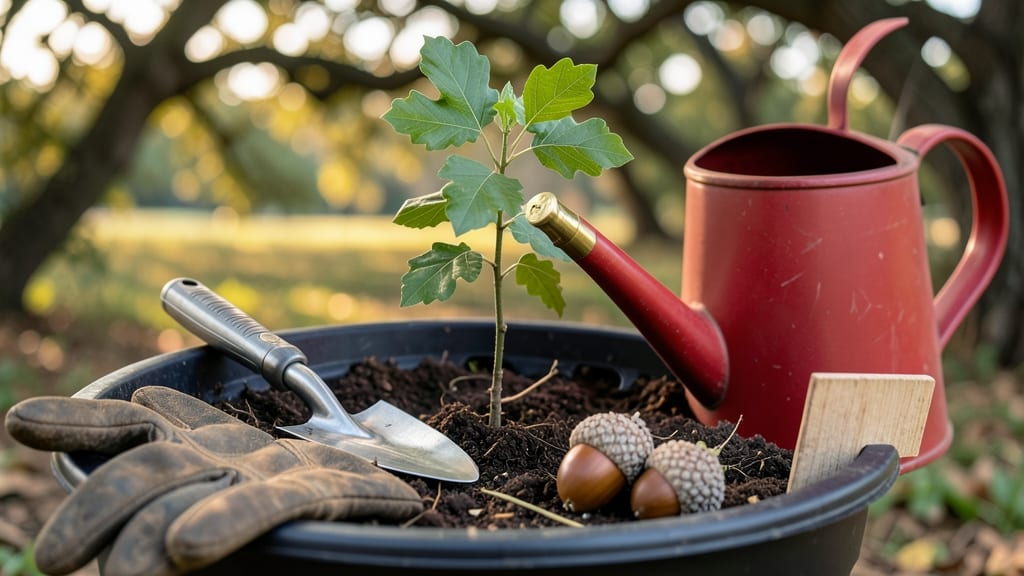
Planting an acorn nut to grow a majestic oak tree 🌳 is easier than you think — with the right steps, you can turn a simple seed into a centuries-old giant.
Did you know that planting an acorn could grow into a majestic oak tree that lives for centuries? With the right techniques, you can turn a simple acorn into a thriving young sapling—here’s how to do it right.
Most people assume acorns are tricky to grow, but the key is patience and proper preparation. Whether you're in USDA Zone 6a or another region, this guide covers everything from selecting healthy acorns to planting them at the perfect depth for strong germination.
You’ll learn how to avoid common mistakes like overwatering or planting too deep, plus how to handle pests and slow growth. By the end, you’ll have a step-by-step plan to nurture your oak tree from seed to sapling.
How to prepare and plant an acorn for maximum germination success
Planting an acorn is one of the most rewarding ways to grow a majestic oak tree from scratch. But success starts with selecting the right acorns and preparing them properly. Oak trees require patience and precision—skipping key steps like stratification can drastically reduce your germination rate.
Let’s break down the exact process I’ve used to grow healthy oak saplings from acorns.
First, you’ll need to gather healthy, mature acorns from white oak or red oak trees—these are the easiest varieties for beginners. Avoid acorns with cracks, holes, or mold, as these won’t germinate.
Collect them in fall when they’ve fallen naturally, and store them in a cool, dry place until you’re ready to plant. The fresher the acorn, the better your chances of success.
Before planting, acorns need a cold stratification period to mimic winter conditions. This breaks dormancy and signals the acorn that it’s time to grow. Without this step, most acorns will simply rot in the soil.
I recommend placing acorns in a moistened paper towel inside a sealed plastic bag and storing them in your refrigerator for 6-8 weeks. Check them weekly to ensure they stay damp but not soggy.
Once your acorns have completed stratification, it’s time to plant them. Choose a well-draining soil mix—oaks hate soggy roots, so avoid heavy clay. A blend of potting soil and perlite works well for containers, while a sunny, open spot in your garden is ideal for direct planting.
If you’re planting outdoors, select a location with full sun exposure and space for the tree to spread its roots.
Now, let’s dive into the exact steps to plant your acorns for the best germination results. Follow this step-by-step guide to ensure your acorns sprout into strong, healthy saplings.
Step-by-Step Guide to Planting Acorns
- 1 Select Healthy Acorns: Choose plump, intact acorns from white or red oak trees. Avoid any with holes, cracks, or signs of mold.
- 2 Stratify Acorns: Place acorns in a moist paper towel inside a sealed bag. Store in the refrigerator for 6-8 weeks to break dormancy.
- 3 Prepare Soil: Use well-draining soil—mix potting soil with perlite for containers or plant directly in garden soil with full sun exposure.
- 4 Plant Acorns: Bury acorns 1-2 inches deep in soil, spacing them 6-12 inches apart. Water lightly to settle the soil.
- 5 Maintain Moisture: Keep soil consistently moist but not waterlogged. Use a spray bottle for gentle watering to avoid disturbing the acorns.
- 6 Monitor for Sprouts: Germination can take 4-12 weeks. Once sprouts appear, thin seedlings to the strongest 2-3 plants per pot or location.
After planting, keep the soil moist but not soggy—oaks are sensitive to root rot. Water gently in the morning to allow excess moisture to evaporate during the day. Once your acorns sprout, you’ll notice tiny leaves emerging in just a few weeks.
This is your signal that the stratification worked and the acorn is ready to grow into a sapling.
Transplanting young oak seedlings is a delicate process. Wait until they’ve grown 2-3 sets of leaves before moving them to their permanent spot. Choose a location with plenty of space for root growth, as oak trees develop extensive root systems.
If you’re growing in containers, use pots that are at least 12 inches deep to accommodate their roots.
Remember, oak trees grow slowly at first. Don’t expect rapid results—patience is key. With the right care, your acorn could grow into a <
Best acorn varieties for planting and their growth requirements
Not all acorns are created equal when it comes to growing oak trees. If you're a beginner, some varieties like white oak and bur oak are easier to germinate and grow than others.
Each species has unique requirements for soil, climate, and long-term care. Let’s explore the best acorn varieties and what they need to thrive.
For white oak acorns, you’ll want well-draining, slightly acidic soil with a pH of 5.0–7.0. These acorns thrive in USDA zones 4–9 and prefer full sun.
They’re also more resistant to pests, making them ideal for beginners. Red oak acorns, on the other hand, grow faster but need slightly more care and are less drought-tolerant.
Here’s a quick comparison of the best acorn varieties and their growth requirements:
| Variety | Germination Time | Climate Zones | Sunlight Needs | Beginner-Friendly? |
|---|---|---|---|---|
| White Oak | 6–12 months | 4–9 | Full sun | ✅ Yes |
| Red Oak | 4–8 months | 5–8 | Full sun | ⚠️ Moderate |
| Bur Oak | 8–12 months | 3–8 | Full sun | ✅ Yes |
| Pin Oak | 5–10 months | 5–9 | Full sun | ⚠️ Moderate |
If you’re planting in cooler climates, bur oak is a fantastic choice because it tolerates colder temperatures and drier soil. Meanwhile, red oak grows faster but requires more consistent moisture, especially in its early years. Always check your local climate zone before choosing a variety.
Once your acorn sprouts, young oak trees need regular watering but avoid overwatering, which can lead to root rot. Mulch around the base to retain moisture and protect the roots. After the first year, oaks become more drought-tolerant, but they still thrive with well-draining soil and full sunlight.
For the best results, plant acorns in late fall or early spring to mimic natural conditions. This timing ensures they undergo stratification naturally, improving germination rates. With patience and the right care, your acorn can grow into a stunning oak tree that provides shade and beauty for generations.