
Planting
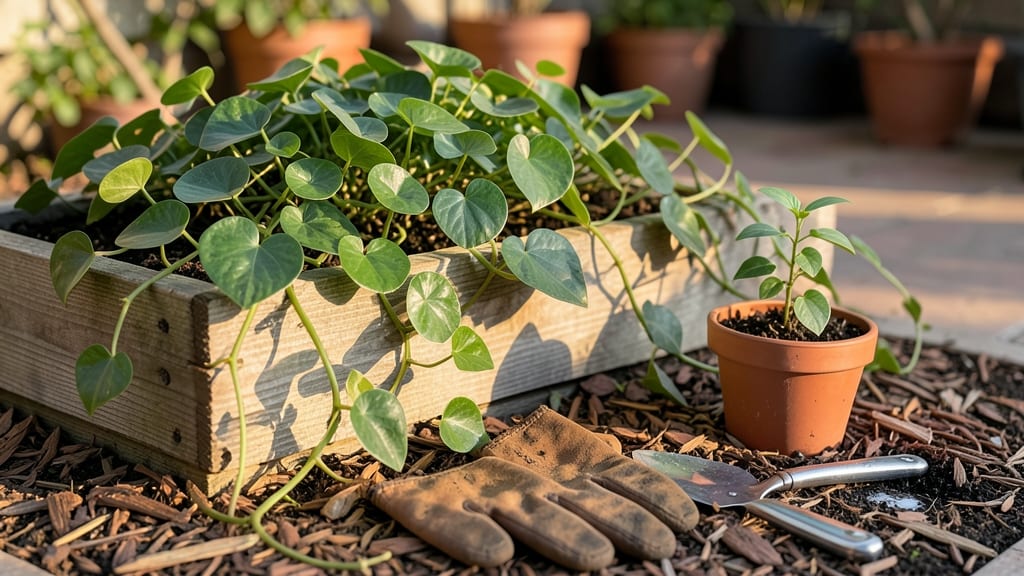
Planting creeping fig isn't just about putting a cutting in soil—it's about unlocking a fast-growing green wall that transforms bare walls into living art. 🌿 I've turned my balcony into a jungle with this vine, and the secret starts with healthy stem cuttings that root in just 2-3 weeks when done right.
The magic happens in the soil: a mix of potting soil and perlite keeps roots happy without waterlogging. Most beginners overwater, but creeping fig thrives on the dry side—think "almost dry" between waterings.
Choose a spot with bright, indirect light (direct sun scorches the delicate leaves), and you'll see new growth within weeks. What you end up with is a self-clinging vine that needs no trellis—it'll cover walls, fences, or even hanging pots with shocking speed.
The first year is all about establishing roots, but by spring, you'll have a lush green curtain that outshines any store-bought decor. Works indoors or out, in containers or directly on walls. The key is patience—those first roots take time, but once established, this plant grows faster than weeds.
Here's how to get started without the common mistakes that kill cuttings.
📚 In This Guide
- What you need
- Instructions
- Tips and common mistakes
- Wrapping up and next steps
What you need
- ● Creeping Fig Cuttings: 3–5 healthy, 4–6 inch long stems with at least 2–3 leaf nodes (nodes = little bumps where roots grow!).
- ○ Rooting Hormone (optional but recommended): A small bottle (e.g., Rooting Gel or powder) to speed up root growth.
- ● Well-Draining Potting Mix: 1–2 gallons of a lightweight, airy mix (e.g., 50% peat moss, 30% perlite, 20% coco coir). No heavy garden soil!
- ● Small Pots or Containers: 4–6 inch diameter pots with drainage holes (1 per cutting). Plastic or terracotta works!
- ● Drainage Tray or Saucer: To catch excess water and prevent soggy roots.
- ● Sharp Pruning Shears or Scissors: Sterilized to make clean cuts (avoid tearing stems!).
- ● Watering Can or Spray Bottle: For gentle hydration (avoid over-saturating!).
- ● Clear Plastic Bag or Humidity Dome: To create a mini greenhouse effect (great for humid climates!).
- ● Grow Lights or Sunny Windowsill: If your space lacks bright, indirect light (creeping figs love 6+ hours of light/day).
- ● Moss or Sphagnum Peat: For extra moisture retention around cuttings.
- ● Fertilizer (Diluted): A balanced liquid fertilizer (e.g., 10-10-10) to use after roots form (wait 4–6 weeks!).
- ● Support Structure (for later): Trellis, wall hooks, or a vertical garden frame for climbing!
Step-by-step instructions for planting creeping fig
Here’s how to get those fast-rooting vines thriving in your vertical space—no green thumb required.
🪴 Step 1: Choose the Right Container and Soil
Creeping fig loves to spread, so pick a container with drainage holes at least 12 inches wide (for 4 plants). I use a lightweight plastic planter for easy moving and a mix of 50% potting soil and 50% perlite—this keeps roots aerated and prevents rot. Fill the container halfway, then tap it gently to settle the mix without compacting it.
Creeping fig roots are aggressive but shallow, so avoid heavy garden soil. You’ll know the soil’s right when it holds moisture but doesn’t feel soggy. If it clumps when squeezed, add more perlite until it crumbles easily.
🌱 Step 2: Plant the Cuttings at the Right Depth
Take 4-inch cuttings from a healthy vine (just below a leaf node) and dip the ends in rooting hormone for a boost. Plant them 1 inch deep at the edges of the container—this encourages outward growth and fills space faster. Space them 6 inches apart to give roots room to spread.
Gently firm the soil around each cutting to remove air pockets, but don’t pack it down. Water lightly until moisture seeps out the drainage holes—this signals the roots have enough hydration to start growing. Avoid overwatering now; creeping fig hates soggy soil.
☀️ Step 3: Position for Bright, Indirect Light
Place your container where it gets 4-6 hours of bright, indirect light daily—like a south- or east-facing window. Direct sun will scorch the leaves, but low light slows growth. You’ll see new leaves emerge within 2-3 weeks if light is right; if they stretch pale and leggy, your plant needs more brightness.
Mist the leaves weekly to maintain humidity (creeping fig loves it tropical). Rotate the container a quarter turn every few days so the vine grows evenly. This prevents lopsided growth and ensures your vertical garden stays lush on all sides.
💧 Step 4: Water and Fertilize for Fast Growth
Water when the top inch of soil feels dry—stick your finger in to check. Creeping fig roots spread quickly, so deep watering encourages stronger growth. I use a balanced liquid fertilizer (10-10-10) every 4 weeks in spring and summer. Cut back to monthly in fall and stop in winter.
Here’s the thing—creeping fig grows fast, but it’s sensitive. If leaves yellow, you’re overwatering. If they drop, it’s too dry. Adjust based on what you see: healthy leaves stay glossy and green. Prune leggy growth to encourage bushier vines and train them along trellises or walls.
Tips & tricks for planting creeping fig
Between us, these little tricks will help your creeping fig take off like a rocket—without the guesswork. I've learned them the hard way after watching vines struggle (or worse, rot) in my first attempts.
Container Size Matters: That 12-inch minimum width isn't just a suggestion—it's about giving your 4 plants enough elbow room to spread. If you're using a larger container, increase the number of cuttings proportionally. I've found that for every extra 6 inches of width, you can add 2 more cuttings. Just remember, creeping fig roots spread aggressively, so don't skimp on space if you want that lush vertical look.
Rooting Hormone Hack: While rooting hormone gives your 4-inch cuttings a nice boost, here's what nobody tells you—it works best when fresh. If you're not using it immediately, store it in the fridge to maintain potency. Also, dip the cuttings just enough to coat the bottom inch—no need to drown them. I've seen people overdo it, and it actually creates a barrier that prevents root formation.
Light Positioning Strategy: That 4-6 hours of bright, indirect light is your sweet spot, but here's the thing: windows vary wildly. If your east-facing window gets harsh morning sun, move your container back 2 feet during peak hours. For north-facing windows, supplement with a grow light for 2-3 hours daily if you notice pale, leggy growth. I've had to adjust my setup twice after seeing the leaves stretch toward the light like they're reaching for a snack.
Watering Wisdom: When checking that top inch of soil, press gently—you should feel resistance, not wetness. The key is to water deeply enough that moisture runs out the drainage holes, but not so much that the soil stays soggy. I've found that using a moisture meter helps avoid the guesswork, especially in cooler months when evaporation slows down. And remember, creeping fig roots are shallow but extensive—deep watering encourages them to grow outward rather than downward.
Pro Tips for Plant A Creeping Fig
- Between us, these little tricks will help your creeping fig take off like a rocket—without the guesswork.
- Container Size Matters: That 12-inch minimum width isn't just a suggestion—it's about giving your 4 plants enough elbow room to spread.
- Rooting Hormone Hack: While rooting hormone gives your 4-inch cuttings a nice boost, here's what nobody tells you—it works best when fresh.
Frequently asked questions
Got questions about growing your creeping fig? You’re not alone—this fast-growing vine has a few quirks! Here are answers to the most common queries to help you cultivate a thriving vertical garden with confidence.
When is the best time to plant creeping fig?
Creeping fig thrives in spring or early summer when temperatures are warm (65–85°F). Planting then gives roots time to establish before winter dormancy. If you must plant in cooler months, use a heat mat or grow lights to support growth.
Why isn’t my creeping fig growing after planting?
Slow growth often stems from low light, overwatering, or root-bound roots. Ensure it gets bright, indirect light (east/west windows are ideal). Check soil moisture—water only when the top inch is dry—and repot if roots are circling the container.
Can I plant creeping fig outdoors in cold climates?
Creeping fig is tropical and won’t survive frost (<32°F). In cold zones, grow it as an annual in containers and bring it indoors before winter. For year-round outdoor growth, plant in USDA Zones 10–12** or use a greenhouse.
How often should I fertilize creeping fig?
Feed every 4–6 weeks in spring/summer with a balanced liquid fertilizer (e.g., 10-10-10). Reduce feeding in fall/winter. Pro tip: Dilute fertilizer to half-strength to avoid root burn!
Are there pests I should watch for with creeping fig?
Common pests include spider mites, mealybugs, and scale. Inspect leaves regularly for sticky residue or tiny webs. Treat with neem oil or insecticidal soap. Keep humidity moderate (40–50%) to deter mites.
Wrapping up and next steps
Planting a creeping fig is your gateway to a stunning, low-maintenance vertical garden that thrives with minimal fuss! 🌿 With the right spot, soil, and care, these fast-rooting vines will reward you with lush, cascading foliage in no time.
Whether you’re a beginner or a seasoned green thumb, the key is patience and consistency—your creeping fig will thank you with vibrant growth and easy charm.
Ready to watch your walls transform? Grab your gloves, pick a sunny (or shady) corner, and get planting! Once your creeping fig is rooted, explore training tips or pruning techniques to shape it into your dream green masterpiece. Happy gardening! 🌱