
Planting
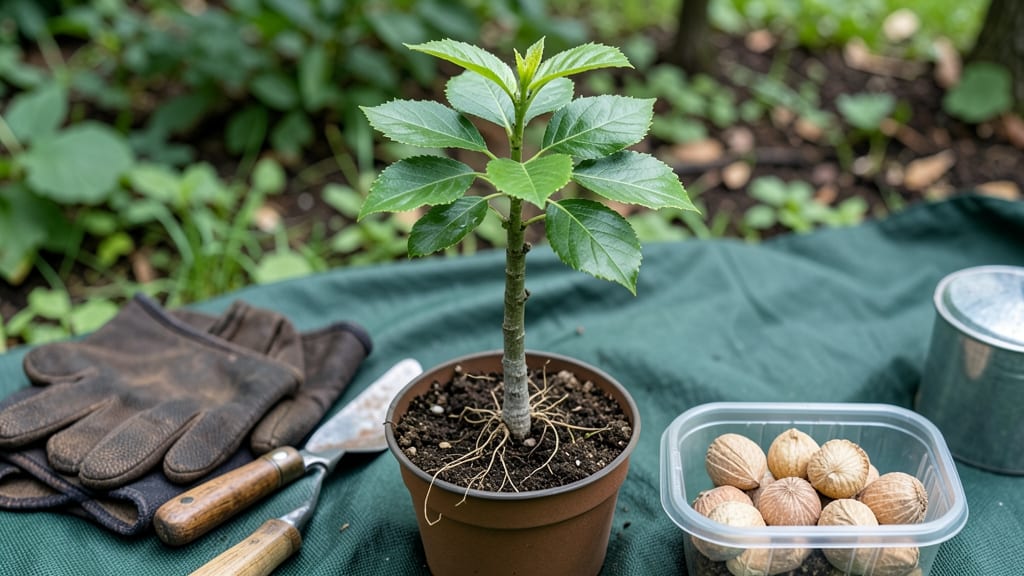
To plant beech seeds 🌳 successfully, you’ll need a cold stratification trick that mimics winter’s natural process—skipping this step often means months of waiting for seeds that never sprout.
Most gardeners toss their beech seeds after weeks of nothing, not realizing that a 60- to 90-day cold treatment can turn a frustrating wait into a thriving seedling. The secret? Moist sand, a cool fridge, and patience—because these seeds aren’t in a hurry.
In this guide, I’ll walk you through the exact steps to stratify your seeds, from choosing the right soil mix to planting depth and spacing for faster germination.
You’ll also learn how to troubleshoot common pitfalls, like overwatering or planting too deep, that can kill your seeds before they even wake up.
Ready to grow your own beech tree? By the end, you’ll know exactly when to plant, how to care for those first delicate sprouts, and why some gardeners swear by fall planting for natural stratification.
Cold stratification for beech seeds: the step-by-step process
Growing beech trees from seeds is a rewarding but patient process that requires understanding their natural dormancy cycles. Beech seeds (Fagus genus) need cold stratification to break dormancy—mimicking winter's chilling effect before they'll sprout.
Without this step, most seeds simply won't germinate, leaving gardeners frustrated after weeks of waiting. The good news? With the right temperature control and moisture balance, you can achieve 90%+ germination rates in just 60-90 days.
Cold stratification works by exposing seeds to consistent cool temperatures (between 33-41°F) while maintaining even moisture. This process tricks the seed into thinking winter has passed, signaling it's safe to grow. For beech seeds specifically, this method is non-negotiable—they won't sprout without it.
The best part? You don't need fancy equipment; a simple sand-peat mix and a cool basement or refrigerator will do the trick.
Before starting, gather your materials: clean sand or peat moss, a sealed container with drainage, fresh beech seeds (harvested in fall), and a thermometer to monitor temperatures. Timing is everything—begin stratification in late fall (October-November) for spring planting, or late winter (February-March) if you're aiming for fall outdoors.
Each beech species (American, European, or Oriental) responds similarly, but freshness matters—use seeds no older than one year for best results.
How to Stratify Beech Seeds: Step-by-Step
- 1 Prepare the seeds: Remove any remaining acorn caps and soak seeds in lukewarm water for 24 hours to soften the outer shell. This step improves moisture absorption during stratification.
- 2 Mix the medium: Combine equal parts sand and peat moss in a clean container. The medium should hold moisture but not stay soggy. Sterilize by baking at 200°F for 30 minutes to prevent mold.
- 3 Layer the seeds: Place seeds 1 inch apart in the medium, covering them with ½ inch of moist mix. Avoid burying deeper—beech seeds need air exposure to germinate properly.
- 4 Seal the container: Use a plastic bag with small holes or a lid with ventilation to maintain humidity. Place a thermometer inside to monitor temperatures—ideal range is 33-41°F.
- 5 Store in a cool, dark place: Keep the container in a refrigerator, unheated basement, or outdoor cold frame. Check moisture weekly—spritz with water if the mix feels dry but not dripping.
- 6 Monitor for 60-90 days: After 6 weeks, check for tiny root hairs emerging from seeds. Once you see active growth, it's time to plant outdoors or in pots with well-draining soil.
- 7 Transplant seedlings: Move stratified seeds to individual pots or outdoor beds once roots reach 1 inch long. Harden off seedlings by gradually exposing them to sunlight over 7-10 days before full planting.
One of the most critical aspects of cold stratification is maintaining consistent temperatures. Fluctuations above 45°F or below 30°F can halt germination or even kill the seeds. If you're using a refrigerator, place the container on the vegetable crisper shelf, which offers the most stable cool environment.
For outdoor stratification, bury the container in shaded, mulched soil where temperatures naturally stay cool.
Patience is key—beech seeds are slow to respond even after stratification. Some may take up to 12 weeks to show signs of life, but don't give up! Once sprouted, these seedlings will grow into sturdy, long-lived trees that thrive for centuries.
To speed up the process slightly, you can lightly scar the seed coat with sandpaper before stratification, which helps water penetrate more easily. However, never soak seeds longer than 24 hours, as overhydration can cause rot.
After stratification, be prepared for two growing seasons of care. Young beech seedlings need partial shade and consistent moisture to establish roots. Once they reach 2 feet tall, you can transplant them to their permanent location, where they'll grow 2-4 feet per year under ideal conditions.
Remember, beech trees are deep-rooted, so avoid disturbing them once planted—these trees are built to last!
If you're
Best beech seed varieties and their germination requirements
Not all beech seeds are created equal—each variety has unique stratification needs and germination timelines. Whether you're growing American beech, European beech, or Oriental beech, understanding these differences is key to success.
The right approach can mean the difference between waiting months for sprouts or seeing nothing at all. Let’s break down what works best for each type.
From my experience, American beech (Fagus grandifolia) seeds often respond best to a 90-day cold stratification period, while European beech (Fagus sylvatica) may need just 60-75 days in cooler conditions. Oriental beech (Fagus orientalis) falls somewhere in between but can be finicky about moisture levels during stratification.
Choosing the right variety for your climate makes all the difference.
| Variety | Cold Stratification Duration | Germination Time | Ideal Planting Months | Notes |
|---|---|---|---|---|
| American Beech | 90–120 days | 6–12 months | September–October or March–April | Tolerates wetter soils; slower germination |
| European Beech | 60–75 days | 4–8 months | October–November or February–March | Faster germination; prefers well-drained soil |
| Oriental Beech | 75–90 days | 8–14 months | September–October or April | Sensitive to moisture; may need extra humidity |
If you’re in USDA Zone 6 or warmer, aim to plant American beech seeds outdoors in fall for natural stratification.
For cooler climates (Zone 5 or colder), start seeds indoors in late winter using a cold frame. European beech seeds often germinate faster, so they’re a great choice for impatient gardeners—but don’t skip stratification entirely! Even these speedy seeds need a taste of winter to break dormancy.
One common mistake I’ve seen is assuming all beech seeds behave the same. Oriental beech seeds, for example, can rot if kept too moist during stratification. Use a 50/50 mix of peat moss and sand to maintain just the right moisture level.
And remember: patience is key. Some seeds take nearly a year to sprout, but once they do, you’ll have a head start on growing a stunning shade tree.
For best results, label your seeds by variety and track their stratification start date. This helps you monitor progress and adjust care as needed.
Whether you’re growing beech trees for their ornamental value or to support local wildlife, choosing the right variety and following its unique germination needs will set you up for success. Happy planting!