
Planting
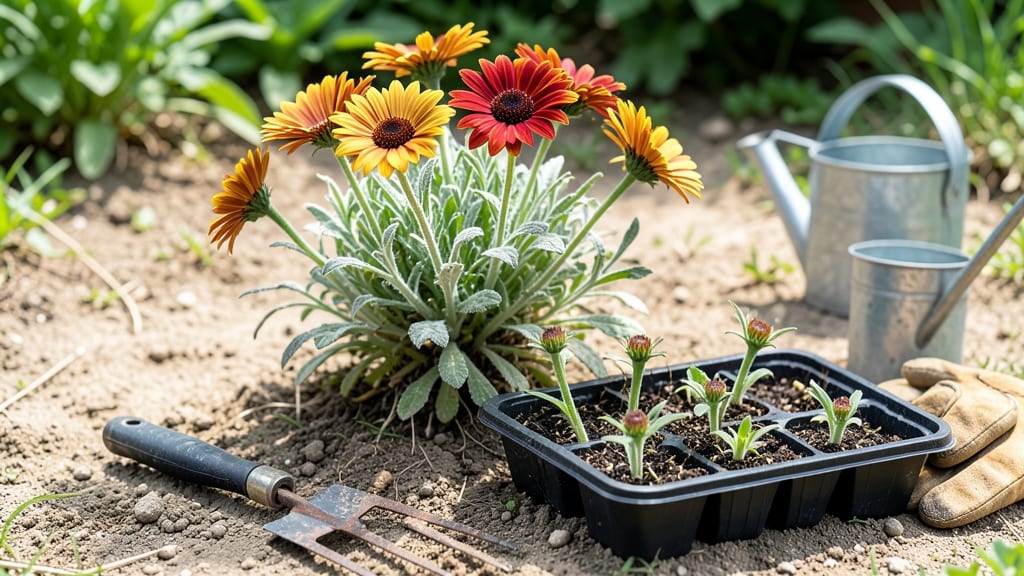
Planting gazania transforms your summer garden into a sun-drenched explosion of color that refuses to quit—even after rain. 🌻 I’ve learned the hard way that these cheerful blooms demand just the right conditions, but once you nail it, they reward you with weeks of vibrant flowers that open every morning and close at night.
Start with well-draining soil—sandy loam works best—and plant seeds or transplants in spring after the last frost when soil temperatures hit 60°F. Space them 6-12 inches apart (closer for dwarf varieties) and bury seeds just ¼ inch deep.
Gazanias crave full sun—at least 6-8 hours daily—or they’ll stretch and flop, leaving you with sad, leggy stems instead of those bright blooms. Water lightly after planting, then let the soil dry between waterings—overwatering is their kryptonite. Once established, they’re drought-tolerant, but consistent moisture keeps them blooming.
Mulch lightly to retain moisture without smothering the roots, and watch as those cheerful faces pop open each morning like clockwork. The real magic happens in their resilience: gazanias reopen after rain, a trait that makes them perfect for hot, dry climates.
Just avoid heavy, clay soil, and you’ll have blooms from early summer through fall—no deadheading required! Now let’s get those seeds in the ground.
📚 In This Guide
- What you need
- Instructions
- Tips and common mistakes
- Wrapping up and next steps
What you need
- ● Gazania seeds or seedlings: Choose disease-resistant varieties like Gazania rigens or Gazania krebsiana. For seeds, start with 5-10 seeds per pot (thin later). For seedlings, 1-2 plants per 6-inch pot.
- ● Well-draining potting mix or garden soil: Gazanias hate soggy roots! Use a mix with perlite or sand (50% potting soil, 30% perlite, 20% compost).
- ● Containers or garden beds: For seeds: 4-6 inch pots (or seed trays with drainage holes).
- ● For transplants: 12-inch pots or in-ground beds with full sun exposure (6+ hours/day).
- ● Drainage trays or saucers: Prevent root rot by keeping water from pooling.
- ● Watering can or spray bottle: A gentle spray works best for seeds.
- ○ Gloves (optional but recommended): Protects hands from soil and thorns.
- ● Trowel or small shovel: For transplanting or digging holes (depth: 1/4 inch for seeds, 1-2 inches for roots).
- ● Pruning shears: Trim dead blooms to encourage new growth.
- ○ Mulch (optional): Use gravel or straw to retain moisture and deter weeds.
- ● Warmth: Gazanias thrive in USDA Zones 9-11 or as annuals in cooler climates. Start seeds indoors 6-8 weeks before last frost (or direct-sow after soil reaches 70°F+).
- ● Sunlight: Full sun (6+ hours/day) is a must—partial shade may reduce blooms.
- ● pH-balanced soil: Aim for 6.0-7.0 pH (test with a soil kit if unsure).
Step-by-Step guide to planting gazania for stunning season-long color
Gazania thrives with minimal fuss once you nail these key steps—bright blooms follow.
🌱 Step 1: Choose the Perfect Planting Spot and Soil
Gazania demands full sun—at least 6-8 hours daily—to open its vibrant blooms. I always select the sunniest, driest corner of my garden because these plants despise soggy roots. Amend native soil with 2-3 inches of coarse sand or perlite to improve drainage; gazania roots rot quickly in compacted earth.
Test your soil's dryness by digging a 4-inch deep hole—if water pools after 30 minutes, you need more gritty material. A slightly alkaline pH (6.5-7.5) suits gazania best, so add a handful of crushed limestone if your soil tests acidic. The key is soil that drains so fast you'd swear it's sand.
☀️ Step 2: Plant at the Right Depth and Spacing
Dig holes twice as wide as the root ball but only 1 inch deeper—gazania roots are shallow and sensitive to burial. Gently remove plants from containers and tease apart any circling roots with your fingers. I like to plant in late spring after the last frost, when soil has warmed to 60°F+.
Space plants 12-18 inches apart for full, bushy growth. Crowding leads to weak stems and fewer blooms. Water immediately after planting to settle the roots, but avoid soaking—the goal is to moisten without waterlogging. You'll know you've done it right when the soil feels damp but not wet to the touch.
💧 Step 3: Water Deeply but Infrequently
Gazania's drought tolerance kicks in once established, but young plants need consistent moisture. Water deeply every 2-3 days until new growth appears, then taper to once weekly during dry spells. The secret? Water at the base in the morning so leaves dry quickly—this prevents fungal diseases that thrive in damp foliage.
Let the top 2 inches of soil dry out completely between waterings. You'll see the difference: plants watered too often develop leggy stems and sparse blooms, while properly hydrated gazania burst with color. Mulch with 1 inch of gravel or coarse sand to retain moisture and deter weeds without smothering the roots.
✂️ Step 4: Deadhead and Fertilize for Continuous Blooms
Pinch off spent blooms daily during peak season to encourage nonstop flowering. I use my fingers to gently twist off faded heads—no need for shears. This simple habit tricks the plant into producing more buds instead of setting seed. Gazania blooms close at night and reopen in sunlight, so deadheading in the morning gives them the full day to show off.
Feed plants every 4-6 weeks with a balanced 10-10-10 fertilizer diluted to half-strength. Over-fertilizing leads to lush foliage but fewer flowers. You'll know you're doing it right when blooms remain vibrant and stems stay sturdy. Stop fertilizing in late summer to prepare plants for dormancy.
🌿 Step 5: Prepare for Winter Dormancy
As temperatures drop below 50°F, gazania's foliage yellows and dies back naturally. Don't panic—this is normal! Cut back stems to 2 inches above soil level and reduce watering to once every 2 weeks. The plants enter dormancy, conserving energy in their roots for next season's growth.
Mulch with 2-3 inches of straw or leaves to insulate roots from freezing temperatures. In colder climates, dig up tender varieties and store pots in a dry, cool (40-50°F) location. You'll be rewarded in spring with fresh, vigorous growth and another season of those cheerful blooms.
Tips & tricks for perfect gazania planting
Between us, these small details make all the difference for gazania that thrives all season long.
Sunlight Secret: Those 6-8 hours of daily sun are non-negotiable for gazania's signature blooms. I've learned the hard way—shading them even for a few hours causes flowers to stay tightly closed. Position your plants where they'll get unobstructed morning sun, which is when they'll open most dramatically. If your garden has afternoon shade, place them near the morning sun edge instead.
Soil Test Hack: That 30-minute water test in Step 1 is your best friend for avoiding soggy roots. If water pools after 30 minutes, you're not done amending—keep adding that 2-3 inches of coarse sand or perlite until water drains within 10-15 minutes. I use a trowel to create small drainage channels around the plant after planting for extra insurance against waterlogging.
Morning Deadheading: The morning routine of twisting off spent blooms isn't just about looks—it's about energy conservation. Gazania naturally closes its flowers at night to conserve moisture, but removing faded blooms in the morning prevents the plant from wasting energy on seed production. This simple daily habit can double your bloom production during peak season. I keep a small bucket nearby to collect the spent blooms for composting.
Winter Prep Timing: When temperatures consistently drop below 50°F, that's your cue to start winter prep. Don't wait for the first frost—gazania needs time to adjust to dormancy. I mark my calendar for late September in most climates as the ideal time to begin cutting back stems. The 2-inch cut might seem drastic, but it prevents the plant from wasting energy trying to protect foliage that will die anyway.
Pro Tips for Plant Gazania
- Between us, these small details make all the difference for gazania that thrives all season long.
- Sunlight Secret: Those 6-8 hours of daily sun are non-negotiable for gazania's signature blooms. I've learned the har...
- Soil Test Hack: That 30-minute water test in Step 1 is your best friend for avoiding soggy roots. If water pools afte...
Frequently asked questions
Got questions about planting gazania?
You’re not alone! Here are answers to the most common queries to help you grow these cheerful blooms with confidence.
When is the best time to plant gazania?
Gazania thrives in warm weather, so plant them after the last frost in spring or early summer. In mild climates, you can also sow seeds in late summer for fall blooms. Avoid planting when nighttime temps dip below 50°F (10°C)—they’re frost-sensitive!
How often should I water gazania?
Water gazania deeply but infrequently—about once a week (or when the top inch of soil feels dry). Overwatering causes root rot, so ensure well-draining soil. Mature plants are drought-tolerant and close their blooms to conserve moisture on hot days.
What pests or diseases should I watch for?
Gazania attracts aphids, slugs, and snails, which can chew leaves or flowers. Remove pests by hand or use neem oil. Avoid overhead watering to prevent fungal issues like powdery mildew. If leaves yellow, check for overwatering or poor drainage.
Can I grow gazania in containers?
Gazania does well in containers with drainage holes, especially in small pots (6+ inches deep). Use a light, sandy potting mix and place them in full sun. Rotate pots occasionally for even growth. Just avoid overcrowding—space plants 6–12 inches apart for airflow.
Do gazania come back every year?
In warm climates (USDA Zones 9–11), gazania is perennial and may return yearly. In colder areas, treat it as an annual—save seeds or replant each spring. Even if they die back, their seeds often self-sow for surprise blooms next season!
Wrapping up and next steps
Planting gazania is a rewarding way to add vibrant, drought-tolerant color to your garden! With the right sunlight, well-draining soil, and a little care, these cheerful blooms will thrive and even reopen after rain—making them perfect for low-maintenance beauty. 🌞
Now that you’re ready to plant, grab your gloves and get growing! Start with a few Gazania rigens or Gazania kalahariensis plants, and soon your garden will be bursting with life. Next step: Watch them flourish and share your progress with fellow gardening enthusiasts!