
Planting
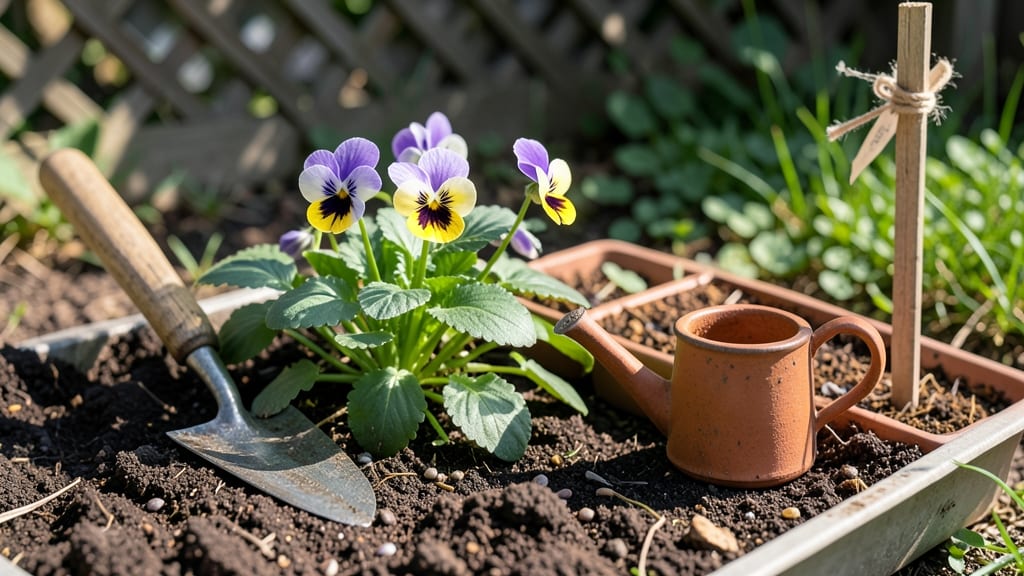
To plant Johnny Jump Up seeds 🌸 with fast germination, you’ll want to start them in well-drained soil as soon as the last frost passes—usually March or April in most zones.
Johnny Jump Up (Viola tricolor) isn’t just a cheerful ground cover—it’s a pollinator magnet that thrives with minimal effort. But if you’ve ever struggled with slow germination or patchy growth, you’re not alone.
The secret lies in mastering soil prep, spacing, and timing to unlock vibrant blooms from your seeds.
This beginner-friendly guide covers everything from ideal soil conditions to the perfect planting depth, ensuring your seeds sprout quickly and grow into a lush, colorful display. No more guessing—just fast, reliable results every time.
Whether you’re filling gaps in your garden beds or brightening up containers, Johnny Jump Up’s easy-care nature makes it a winner. Let’s get those seeds in the ground the right way for a burst of color all season long.
Johnny Jump Up seed planting guide: soil, depth, and timing for best germination
Johnny Jump Up (Viola tricolor) seeds are tiny but mighty, capable of producing vibrant blooms in just 6-8 weeks when planted correctly. The key to 70-90% germination success lies in understanding their preferred soil conditions and precise planting techniques.
Unlike many flowers, Johnny Jump Up thrives in cool-season planting, making early spring or late summer your best windows.
Before you even touch your seeds, focus on well-draining, slightly acidic soil with a pH between 6.0 and 7.0. These tiny seeds need consistent moisture but hate soggy conditions, which can cause rot.
I always mix compost or aged manure into the top 2-3 inches of soil to give seedlings a nutrient boost without overwhelming them.
When it comes to planting depth, Johnny Jump Up seeds are tiny but delicate. I plant mine just 1/8 inch (3mm) deep—any deeper, and they may fail to emerge.
Use a fine mist spray bottle to moisten the soil before planting, then cover seeds with a thin layer of vermiculite or fine soil. This helps maintain moisture while preventing crusting.
Timing is everything with Johnny Jump Up. For spring planting, aim for 4-6 weeks before your last frost date. In my Zone 6a garden, that means mid-March to early April.
If you're planting in late summer, choose late August to allow seeds to germinate before cooler weather sets in. Avoid planting when soil temperatures exceed 80°F (27°C), as this can trigger dormancy.
One common mistake I see is overwatering after planting. While Johnny Jump Up needs consistent moisture, soggy soil leads to seed rot. I use a self-watering tray or cover the seed bed with plastic wrap (removed once sprouts appear) to maintain even moisture without drowning the seeds.
Water lightly every 2-3 days until germination occurs.
If your seeds aren't sprouting within 2 weeks, check for three potential issues: dry soil, poor seed viability, or temperature fluctuations. I've found that soaking seeds overnight in lukewarm water before planting can boost germination rates by up to 20%.
Just be sure to plant them immediately after soaking to prevent drying out.
Once seedlings emerge, thin them to 6-12 inches apart for optimal airflow and growth. I always keep a few extra seedlings in case of pest damage or poor establishment. Johnny Jump Up is self-seeding, so you'll likely see volunteer plants next year—but thinning now ensures stronger, healthier blooms.
Mulch lightly with straw or shredded leaves to retain moisture and suppress weeds.
For container gardening, use a well-draining mix with 50% potting soil and 50% perlite. Plant seeds in a shallow tray and keep them in a bright, indirect light area until they're 2 inches tall, then transplant to larger containers.
Johnny Jump Up thrives in partial shade, making it perfect for patio planters or hanging baskets.
With the right soil prep, depth, and timing, your Johnny Jump Up seeds should germinate within 7-14 days and produce continuous blooms from spring through fall.
Optimal spacing and companion planting for Johnny Jump Up flowers
Johnny Jump Up (Viola tricolor) thrives when planted with intention—whether you want a lush ground cover or scattered blooms for pollinators. The key lies in spacing techniques that balance air circulation with density.
For dense coverage, sow seeds 6-8 inches apart in rows spaced 12-18 inches apart. This creates a vibrant carpet of color while preventing overcrowding. If you prefer a wildflower meadow look, space seeds 12-18 inches apart in irregular patterns for a natural, scattered effect.
Container gardening changes the game entirely. In 5-gallon pots, plant 3-5 seeds per container for a full, bushy display. For hanging baskets, use 2-3 seeds spaced evenly around the edges.
Remember, Johnny Jump Up is a self-seeding annual, so thinning isn’t always necessary—just snip excess seedlings at the base to redirect energy to your preferred plants.
Companion planting can transform your garden’s health and productivity. Pair Johnny Jump Up with lettuce, spinach, or kale to deter pests like aphids and slugs naturally. The flowers’ strong scent masks nearby crops, confusing pests while attracting beneficial insects like bees and hoverflies. Herbs like basil, thyme, and chives also thrive nearby, creating a pollinator-friendly zone that boosts your garden’s biodiversity.
🌱
| Planting Method | Spacing (Inches) | Best Companion Plants | Pest Deterrents | Container Adaptations |
|---|---|---|---|---|
| In-Ground Dense Cover | 6-8 inches apart | Lettuce, Spinach, Kale | Aphids, Slugs, Cabbage Worms | Not applicable |
| In-Ground Scattered Blooms | 12-18 inches apart | Basil, Thyme, Chives | Japanese Beetles, Flea Beetles | Not applicable |
| 5-Gallon Containers | 3-5 seeds per pot | Radishes, Carrots, Nasturtiums | Whiteflies, Spider Mites | Ensure drainage holes |
| Hanging Baskets | 2-3 seeds per basket | Strawberries, Marigolds | Caterpillars, Earwigs | Use lightweight soil mix |
Avoid planting Johnny Jump Up near potatoes or tomatoes, as the flowers can attract pests that also target these crops. Instead, create pollinator pathways by interplanting with marigolds, sunflowers, or cosmos.
These combinations not only deter pests but also extend your blooming season, as Johnny Jump Up’s self-seeding habit ensures new flowers appear throughout the growing season.
For container gardens, mix Johnny Jump Up with edible flowers like nasturtiums or calendula. This combo deters pests while adding color and edible variety to your harvest. Always use a well-draining potting mix and water containers daily in summer to prevent soil compaction.
Mulch with straw or shredded leaves to retain moisture and suppress weeds, giving your Johnny Jump Up the competitive edge it needs.
🌿
Pro tip: If you’re aiming for a cut-flower garden, space seeds 18 inches apart in rows. This allows easy access for harvesting while maintaining airflow to prevent fungal diseases.
Deadhead spent blooms regularly to encourage continuous flowering—a practice that also keeps your garden looking tidy and vibrant all season long.