
Planting
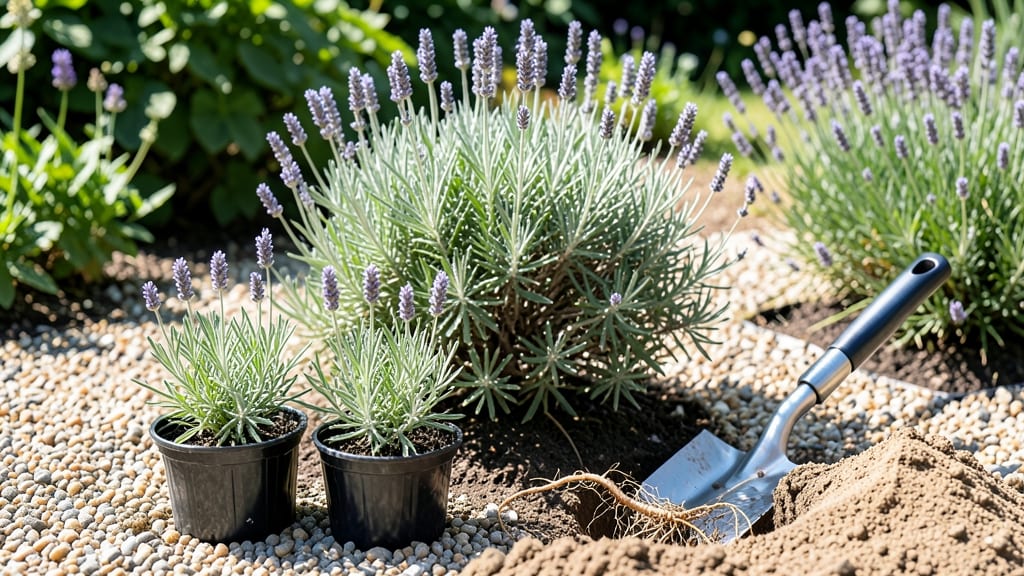
Planting lavender outdoors unlocks that fragrant, drought-tolerant magic that transforms any sunny spot into a fragrant retreat. 🌿 I’ve planted mine in late spring when the soil warms to 60°F, and within weeks, the silvery foliage and purple spikes become the stars of my garden borders.
The key? Well-draining soil, full sun, and patience—because lavender thrives when you let it do its own thing. Start with well-amended soil (sandy loam works best) and space plants 18-24 inches apart to give them room to grow.
Dig a hole just as deep as the root ball, but no deeper—lavender hates soggy feet. A light layer of gravel at the bottom helps drainage, and a handful of bone meal in the planting hole gives roots a slow-release boost.
After planting, water deeply once to settle the soil, then let nature take over. Lavender despises wet roots, so skip the weekly watering—this isn’t a fussy houseplant. In 3-4 weeks, you’ll see new growth, and by next summer, your garden will smell like a Provençal meadow.
The best part? Once established, lavender needs almost no care—just occasional trimming after blooming and protection from winter winds. My plants have flourished for five years with minimal effort, proving that sometimes, the simplest plants create the biggest impact.
📚 In This Guide
- What you need
- Instructions
- Tips and common mistakes
- Wrapping up and next steps
What you need
- ● Lavender plants: 3–5 healthy nursery-grown plants (choose English lavender (Lavandula angustifolia) for cold tolerance or French lavender (Lavandula dentata) for heat).
- ● Well-draining soil: 10–20 cubic feet of a mix of 50% garden soil, 30% coarse sand or perlite, and 20% compost (or pre-mixed "lavender soil").
- ● Sunny location: A spot with 6–8+ hours of direct sunlight daily (partial shade in hot climates).
- ● Garden tools: 1 trowel or hand shovel
- ● 1 garden fork (for loosening soil)
- ● 1 pair of pruning shears (sterilized)
- ● Mulch: 1–2 inches of gravel, pebbles, or coarse bark (to prevent root rot and retain heat).
- ● Watering can or hose with a gentle spray nozzle (lavender hates soggy roots!).
- ● Slow-release low-nitrogen fertilizer (e.g., 5-10-10 ratio, 1 tbsp per plant, applied once in spring).
- ● Epsom salt (1 tbsp dissolved in 1 gallon of water) for magnesium boosts (use sparingly!).
- ● Drip irrigation kit (to automate watering and reduce stress).
- ● Stakes or small cages (to support tall varieties like Lavandula stoechas).
- ● Organic pest control (neem oil spray for aphids or spider mites).
Step-by-Step guide for planting lavender outdoors
Here's how to establish fragrant, drought-resistant lavender that thrives for years with minimal care.
☀️ Step 1: Select the Perfect Sunny Location
Lavender demands full sun—at least 6-8 hours daily—to develop its signature fragrance and compact growth. I always choose the driest, sunniest spot in my garden, often near a south-facing wall or fence that reflects additional heat. The more intense the sunlight, the more potent the aroma and the more drought-tolerant the plant becomes.
Test your spot by observing how quickly soil dries in summer. If it stays damp for more than a day, lavender will struggle. You'll see the best results when the area gets afternoon sun, as lavender blooms best with warm, dry conditions. Avoid low-lying areas where cold air settles, as lavender is not frost-tolerant.
🪴 Step 2: Prepare Well-Draining Soil
Lavender roots rot quickly in heavy or clay soil, so I always amend the planting area with sandy loam or a 50/50 mix of native soil and coarse sand. For 4 plants, I blend 2 cubic feet of sandy soil with 1 cubic foot of coarse sand or perlite to ensure proper drainage.
Dig a hole twice as wide as the root ball but only as deep as the container it came in. Loosen the soil at the bottom with a fork to encourage root expansion. If your soil tests heavy, I recommend planting in raised beds or containers instead—lavender's roots will thank you for years to come.
🌱 Step 3: Plant at the Correct Depth and Spacing
Remove lavender from its container and gently tease the roots if they're circling. Place the plant so the top of the root ball sits 1 inch above soil level—burying too deep causes rot. For 4 plants, space them 18-24 inches apart in rows 2 feet apart to allow airflow and prevent fungal issues.
Backfill with your amended soil mix, pressing lightly around the base to eliminate air pockets. Water deeply right after planting to settle the soil, but avoid creating a soggy hole. You'll notice the stems naturally straighten as roots establish over the first week.
💧 Step 4: Water Sparingly and Protect New Growth
Lavender establishes best with minimal watering—overwatering is the #1 killer. After planting, water deeply once weekly for the first 4 weeks, then taper to every 2-3 weeks once established. You'll see new growth appear in 3-4 weeks if moisture is right.
Apply 2-3 inches of gravel or mulch-free bark around each plant to deter weeds and maintain dry soil. Avoid organic mulch—it retains too much moisture. For the first year, protect young plants from harsh winter winds with a burlap wrap if you're in a cold climate.
✂️ Step 5: Prune for Bushier Growth and Longer Blooms
Wait until spring to prune established lavender. Cut back one-third of the previous year's growth right after blooming to encourage dense, fragrant foliage. I use clean, sharp shears to make cuts just above a set of leaves. Never prune into old wood—this kills the plant.
Deadhead spent blooms in late summer to prevent seed formation, which drains the plant's energy. You'll see fresh buds forming within 2-3 weeks of pruning. Lavender blooms best when slightly stressed—don't fertilize, as rich soil produces weak, leggy growth.
Tips & tricks for perfect lavender planting outdoors
A few subtle adjustments can transform your lavender from a struggling plant to a thriving, fragrant centerpiece. Here's what I've learned from years of trial and error.
Sunlight Strategy: If your location only gets morning sun, position lavender near a reflective surface like a white wall or patio stones to maximize light exposure. In Step 1, I recommend choosing the sunniest spot, but even partial sun areas can work with this trick. The goal is to mimic the intense Mediterranean sunlight lavender evolved to thrive in—think of it as giving your plants a mini vacation in their native climate.
Soil Science: For Step 2, when mixing your sandy soil, add a handful of coarse horticultural grit to the bottom of each planting hole. This creates a drainage layer that prevents water from pooling around roots. I've seen lavender plants in amended soil still fail because of poor drainage at the bottom—this simple addition solves that problem completely.
Planting Precision: In Step 3, when placing your lavender, use a small wooden stake to mark the correct depth (1 inch above soil level) before removing the plant from its container. This visual guide prevents accidental over-planting, which is a common mistake that leads to root rot. The stake also helps maintain consistent spacing between plants.
Watering Wisdom: The watering schedule in Step 4 is crucial, but here's the secret: use a moisture meter to check soil dampness before watering. Stick it 2 inches deep—if it reads dry, water deeply; if it's still moist, wait another week. This prevents both underwatering and overwatering, which are the two biggest threats to new lavender plants.
Pro Tips for Plant Lavender Plants Outdoors
- A few subtle adjustments can transform your lavender from a struggling plant to a thriving, fragrant centerpiece. Her...
- Sunlight Strategy: If your location only gets morning sun, position lavender near a reflective surface like a white w...
- Soil Science: For Step 2, when mixing your sandy soil, add a handful of coarse horticultural grit to the bottom of ea...
Frequently asked questions
Got questions about growing lavender outdoors? You’re not alone! Here are some of the most common concerns—plus quick, practical answers to help your lavender thrive.
When is the best time to plant lavender outdoors?
Plant lavender in early spring or early fall when temperatures are mild (50–75°F). Avoid extreme heat or frost, as young plants are sensitive. Spring planting gives roots time to establish before summer, while fall planting allows them to settle before winter dormancy.
How often should I water newly planted lavender?
Water deeply but infrequently—about once a week for the first month, then taper to every 2–3 weeks once established. Lavender hates soggy soil! Overwatering causes root rot. Let the soil dry out completely between waterings, especially in well-draining areas.
Can lavender grow in partial shade, or does it need full sun?
Lavender thrives in full sun (6+ hours daily), but it can tolerate 3–4 hours of morning sun in hot climates. In partial shade, growth may be leggy, and blooms will be sparse. If your yard lacks sun, consider container gardening near a sunny window or patio.
Why is my lavender turning brown or dying?
Brown tips or wilting often mean overwatering, poor drainage, or pests. Check soil moisture—lavender prefers dry conditions. If roots look mushy, repot in well-draining soil. Spider mites or aphids can also stress plants. Spray with neem oil or insecticidal soap if you spot tiny pests.
Does lavender survive winter outdoors?
Most lavender varieties are hardy to USDA zones 5–9, but tender types (like English lavender) may need mulch or winter protection in colder zones. Trim back dead foliage in early spring. If you’re in zone 4 or colder, grow lavender in containers and move it indoors during winter.
Wrapping up and next steps
Planting lavender outdoors is a rewarding experience that brings beauty, fragrance, and low-maintenance charm to your garden. With the right sunny spot, well-draining soil, and a little patience, you’ll enjoy vibrant blooms and a calming aroma for years to come. 🌿✨
Now that you’re ready to plant, take the next step: watch your lavender thrive! Monitor its growth, prune as needed, and soon, you’ll have a fragrant, drought-resistant retreat in your yard. Happy gardening! 🌸💚