
Planting
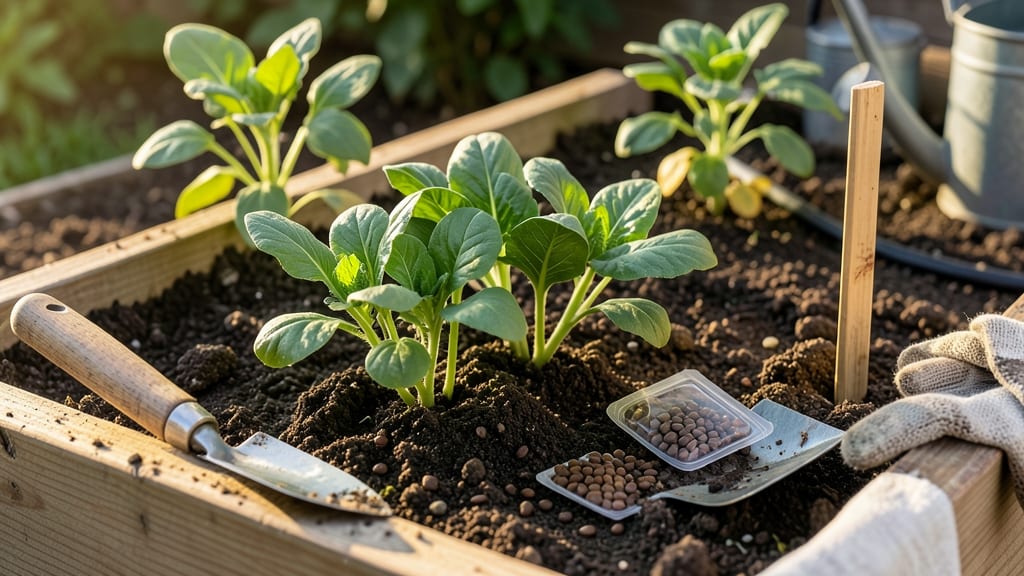
Planting mustard seeds in the ground gives you fast-growing greens in as little as 3 weeks—perfect for spring and fall gardens. 🌱 I’ve grown leaf mustard, oriental mustard, and even seed varieties, and the key to success lies in timing, soil prep, and a little patience.
Mustard thrives where other greens struggle, pushing through cool soil and even light frosts, which makes it my go-to for early harvests.
The secret to fast germination starts with loose, well-drained soil mixed with compost—mustard seeds need good contact with moisture but hate soggy conditions. Scatter seeds ¼ inch deep, spaced 1 inch apart, and keep the soil consistently damp (not soaked) until sprouts appear.
Most varieties like leaf mustard bolt quickly in heat, so aim for early spring or late summer plantings to stretch your harvest.
Once sprouted, mustard grows aggressively—thin seedlings to 3-4 inches apart to prevent overcrowding and give leaves room to develop. A sunny spot (6+ hours of light) keeps them lush, but they tolerate partial shade better than many greens.
Harvest outer leaves first to encourage regrowth, and you’ll have a continuous supply for salads, stir-fries, or microgreens.
Troubleshooting poor germination? Check seed freshness, soil temperature (ideal is 50-70°F), and moisture levels. If seedlings yellow or bolt too fast, it’s often a sign of heat stress—mustard loves cool weather and wilts in summer’s peak.
With the right timing, you’ll go from seed to harvest in under a month, making it one of the most rewarding fast crops for beginners.
📚 In This Guide
- What you need
- Instructions
- Tips and common mistakes
- Wrapping up and next steps
What you need
- ● Mustard seeds: 1–2 oz (about ¼–½ cup) of high-quality, organic or non-GMO seeds (e.g., Brassica juncea or Sinapis alba for greens or sprouts). Choose based on your harvest goals!
- ● Garden soil: Well-draining, loamy soil with a pH of 6.0–7.5 (test your soil or amend with compost if needed). Mustard thrives in fertile, slightly acidic to neutral soil.
- ● Garden bed or containers: For in-ground planting: A 6–12-inch-deep plot, 12–18 inches wide (mustard grows fast and compact!).
- ● For containers: 5–6-inch-deep pots with drainage holes (e.g., 5–6 plants per 12-inch pot).
- ● Compost or organic fertilizer: 1–2 cups of well-rotted compost or a balanced fertilizer (e.g., 10-10-10) to enrich the soil.
- ● Watering can or hose: With a gentle spray nozzle for even moisture.
- ○ Garden gloves: (Optional but recommended—mustard seeds and soil can be rough on hands!)
- ○ Row marker or sticks: (Optional) To mark planting rows if you’re sowing densely.
- ● Ideal planting seasons: Spring (after last frost, when soil is 40°F+) or fall (6–8 weeks before first frost). Mustard germinates best in cool (50–75°F) conditions.
- ● Sunlight: Full sun (6+ hours/day) for optimal growth. Partial shade is tolerable but may reduce yield.
- ● Water source: Consistent moisture (keep soil damp but not soggy) until seeds germinate (usually 3–10 days).
- ● Mulch (straw or grass clippings): To retain moisture and suppress weeds.
- ● Plant labels: To track varieties (e.g., "Mustard Greens" vs. "Drumstick Mustard").
- ● Organic pest deterrent: Neem oil or diatomaceous earth (if aphids or pests are a concern).
- ● Pruning shears: For harvesting leaves or side shoots later.
Step-by-step guide for planting mustard seeds in the ground
Mustard thrives on speed—here’s how to get those peppery greens sprouting in days, not weeks.
🌱 Step 1: Choose the Right Time and Location
Mustard seeds germinate fastest in cool soil—aim for spring after the last frost when soil temperatures hover around 50-60°F, or fall 6-8 weeks before your first frost date. Avoid planting when daytime temperatures exceed 75°F, as heat slows germination and causes bolting (premature flowering). I always test soil readiness by pressing my finger 1 inch deep—if it feels cool but not cold, it’s perfect.
Select a sunny spot with at least 6 hours of direct sunlight daily. Mustard tolerates partial shade but grows leggy and bitter. Amend the soil with 2-3 inches of compost before planting to ensure good drainage—mustard hates soggy roots. Work it into the top 6 inches of soil with a garden fork, breaking up any compacted layers. This ensures roots can spread quickly once seeds sprout.
🌱 Step 2: Prepare the Soil and Sow the Seeds
Rake the soil surface smooth to create a fine seedbed—mustard seeds are tiny and need even contact with soil to germinate. Scatter seeds ¼ inch deep and ½ inch apart in rows 12 inches apart. I use a small hand sower or simply pinch seeds between my fingers to release them evenly—planting too densely leads to weak, crowded seedlings. Lightly cover with a thin layer of soil or compost using the back of a rake.
Water gently but thoroughly right after sowing to settle the seeds into the soil. Use a fine-mist setting on your hose or a watering can with a rose attachment to avoid dislodging seeds. The goal is to moisten the soil to a depth of 1 inch without creating a muddy surface. You’ll see tiny green sprouts emerge in 3-7 days—mustard’s hallmark fast germination. If the soil stays dry, germination can take up to 10 days, but don’t let it dry out completely.
💧 Step 3: Maintain Moisture and Thin Seedlings
Keep the soil consistently moist but never soggy during germination and the first 2-3 weeks of growth. Mustard seeds need steady moisture to prevent drying out, but overwatering can cause rot. I check moisture by sticking my finger ½ inch deep—if it feels dry, it’s time to water. Once seedlings reach 1-2 inches tall, thin them to 3-4 inches apart to give plants room to grow. Use sharp scissors to snip unwanted seedlings at soil level—pulling risks disturbing roots of nearby plants.
Thinning is critical for flavor and yield. Crowded mustard plants grow bitter and slow. After thinning, water again to help remaining seedlings establish roots. You’ll notice first true leaves (the second set after the initial cotyledons) appear within 7-10 days. These leaves are broad and serrated—perfect for harvesting baby greens. If you see yellowing between veins, it’s a sign of overwatering or poor drainage; adjust your watering schedule immediately.
☀️ Step 4: Fertilize and Monitor Growth
Mustard is a light feeder, so I skip fertilizer unless the soil is particularly poor. Instead, side-dress with ½ inch of compost around the base of plants when they’re 3-4 inches tall. This provides slow-release nutrients without burning tender roots. Avoid nitrogen-heavy fertilizers—they promote leafy growth at the expense of flavor. Mustard grows best in cool weather, so if temperatures climb above 80°F, provide afternoon shade with a floating row cover or shade cloth to prevent bolting.
Watch for pests like flea beetles or aphids, which love mustard greens. I deter them with a light spray of neem oil or by planting basil nearby—the scent confuses pests. Harvest outer leaves as soon as they reach 3-4 inches to encourage continuous production. If you let plants bolt (send up a flower stalk), they’ll go to seed quickly—pull these plants to redirect energy to younger leaves. With proper care, you’ll have fast, peppery greens ready in as little as 3 weeks.
Tips & tricks for perfect mustard seed germination
Fast germination is mustard's secret weapon—here's how to unlock its full potential without common pitfalls.
Soil Temperature Secret: Mustard seeds need that 50-60°F soil window to germinate in just 3-7 days. I've found using a soil thermometer for 3 consecutive days before planting eliminates guesswork. If your soil runs cooler, try black plastic mulch laid down a week before planting to warm it naturally. The 75°F upper limit isn't just about germination—it's when mustard starts bolting prematurely, so timing matters more than you'd think.
Seedbed Preparation: The key to those ¼-inch deep seeds making contact is creating a perfectly smooth surface. I take an old window screen and drag it lightly over the soil after raking—this breaks up any remaining clumps without disturbing the seedbed. For container growing, mix seeds with 1 part sand to 2 parts soil before scattering to ensure even distribution. Remember, mustard seeds are tiny—think of them as confetti for your garden.
Watering Strategy: That 1-inch deep moisture target after sowing is crucial, but timing matters just as much. I water in the morning so the soil has all day to absorb moisture before evening evaporation. For containers, I use the "sponge test"—press a kitchen sponge into the soil; if it comes out dry, water again. Overwatering causes rot, but dry soil delays germination by days. The 3-7 day window expands to 10 days when soil stays dry, so consistency is everything.
Pro Tips for Plant Mustard Seeds In The Ground
- Fast germination is mustard's secret weapon—here's how to unlock its full potential without common pitfalls.
- Soil Temperature Secret: Mustard seeds need that 50-60°F soil window to germinate in just 3-7 days.
- Seedbed Preparation: The key to those ¼-inch deep seeds making contact is creating a perfectly smooth surface.
Frequently asked questions
Got questions about planting mustard seeds? You’re not alone—this fast-growing, nutrient-packed crop can be tricky for beginners! Here are answers to the most common queries to help you grow a thriving mustard patch with confidence.
When is the best time to plant mustard seeds in my region?
Mustard thrives in cool weather—aim for early spring (2-4 weeks before last frost) or late summer/early fall (6-8 weeks before first frost). In warm climates, plant in winter for spring harvests. Avoid planting when soil temps exceed 80°F (27°C), as seeds may bolt or fail to germinate.
How long does it take for mustard seeds to germinate?
Mustard seeds typically sprout in 4–10 days under ideal conditions (moist, 60–75°F soil). For faster results, soak seeds overnight before planting or use a seed starter. If germination takes longer than 2 weeks, check soil moisture—seeds need consistent dampness (not soggy!) to wake up.
Can I plant mustard seeds too close together?
Yes! Mustard grows quickly and densely, so space seeds ½–1 inch apart in rows 12–18 inches apart. If overcrowded, plants compete for nutrients, leading to smaller leaves or bolting. Thin seedlings to 4–6 inches apart once they’re 2–3 inches tall for optimal growth.
What should I do if pests (like aphids or flea beetles) attack my mustard plants?
Mustard is pest-prone, but don’t panic! Start with row covers or neem oil spray for early prevention. For aphids, blast them off with a strong water spray or introduce ladybugs. Flea beetles? Try diatomaceous earth or plant mustard near radishes or onions to deter them.
How do I know when mustard greens are ready to harvest?
Harvest leafy greens when plants are 6–8 inches tall (about 3–4 weeks after planting). For baby leaves, snip outer leaves and let the center grow. If you wait too long, mustard may bolt (flower)—pick leaves before yellow flowers appear for the best flavor and texture.
Wrapping up and next steps
Planting mustard seeds is a rewarding way to grow a fast, nutrient-packed crop with minimal effort! Whether you’re a beginner or a seasoned gardener, the key is timing—spring or fall—and giving those tiny seeds the right conditions to sprout quickly.
With the right soil, spacing, and care, you’ll soon be harvesting fresh greens or savory pods in just a few weeks.
Now that you’re ready to plant, take the next step: grab your gloves, head to the garden, and watch those mustard seeds transform into a thriving harvest. Happy gardening—you’ve got this! 🌱✨