
Planting
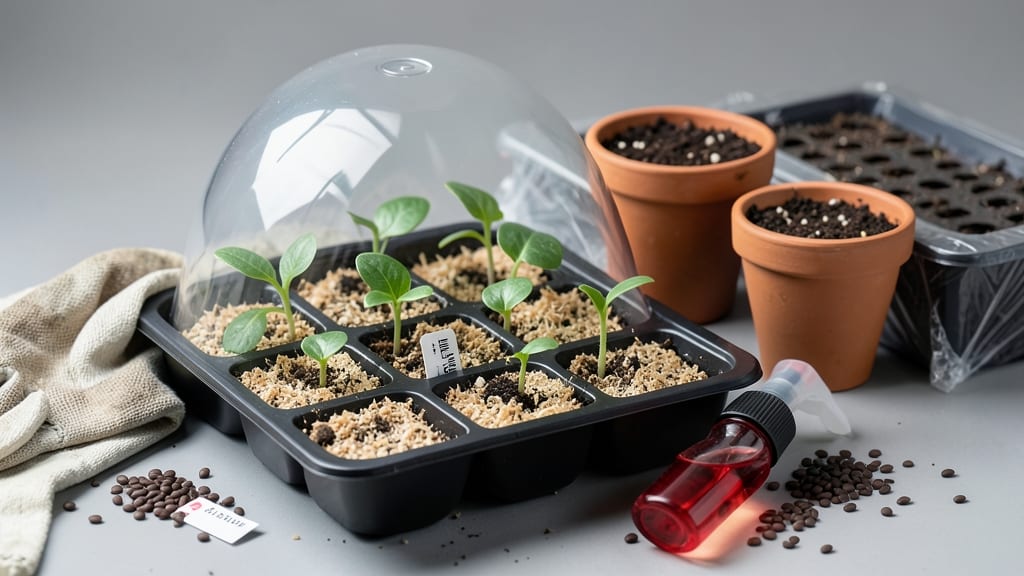
Planting periwinkle seeds gives you a cold-hardy ground cover that thrives even when other plants struggle. 🌱 I’ve grown mine from seed for years, and the secret lies in timing—sow them indoors 6-8 weeks before your last frost for the best results.
The key is patience; these tiny seeds need just the right conditions to break dormancy and sprout reliably.
You’ll need a shallow tray with well-draining soil mix, a spray bottle for gentle watering, and a sunny windowsill or grow light. Periwinkle seeds prefer cool temperatures (60-65°F) and consistent moisture—never let the soil dry out completely.
Once sprouted, thin seedlings to 6 inches apart to give them room to spread into that lush, evergreen carpet you’re dreaming of.
By late spring, you’ll see those first true leaves, and within a season, your garden will be blanketed in vibrant green foliage that stays put through winter. The best part? Periwinkle spreads slowly but steadily, crowding out weeds naturally while requiring almost no maintenance once established.
If you’re in a cooler climate, direct-sow in early fall for even better cold tolerance. Just watch for slugs—they adore young seedlings! With the right start, you’ll have a low-maintenance, shade-tolerant ground cover that outlasts most annuals and looks effortlessly polished.
📚 In This Guide
- What you need
- Instructions
- Tips and common mistakes
- Wrapping up and next steps
What you need
- ● Periwinkle seeds: 1 packet (500–1,000 seeds, depending on coverage goals). Look for Vinca minor or Vinca major varieties.
- ● Seed-starting mix: 1 bag (1–2 cubic feet) of lightweight, well-draining potting soil (avoid garden soil—it’s too dense!).
- ● Containers: Seed trays or small pots (3–4 inches deep) for indoor germination (10–20 containers, depending on seed quantity).
- ○ Biodegradable peat pots (optional but helpful for transplanting).
- ● Grow lights or sunny windowsill: A south-facing window or a LED grow light (12–16 hours/day) for indoor starts.
- ● Misting bottle or spray nozzle: For gentle watering (avoid soaking seeds!).
- ● Plastic wrap or humidity dome: To retain moisture during germination.
- ○ Fertilizer (optional but recommended): Balanced 10-10-10 or 5-10-10 liquid fertilizer (diluted to half-strength).
- ● Slow-release granular fertilizer (for outdoor planting).
- ● Garden soil: Amended with compost (1–2 inches mixed into the top 6–8 inches of soil). Periwinkle thrives in well-draining, slightly acidic (pH 6.0–7.0) soil.
- ● Garden gloves: To protect your hands while handling soil and seedlings.
- ● Trowel or small shovel: For digging planting holes (3–4 inches deep).
- ● Mulch: 1–2 inches of organic mulch (e.g., shredded bark or straw) to retain moisture and suppress weeds.
- ● Watering can or hose with a gentle nozzle: For post-planting hydration.
- ● Best planting time: Indoor starts: 6–8 weeks before the last frost date in your zone (periwinkle germinates slowly!).
- ● Direct sowing: Early spring or late summer (avoid frost—seeds need warmth to sprout).
- ● Climate zone: Periwinkle is cold-hardy (USDA Zones 3–9), but verify your zone to time planting correctly.
- ● Sunlight access: Choose a spot with partial shade to full sun (6 hours of sunlight daily is ideal).
Step-by-Step guide to planting periwinkle seeds
Here’s how to establish this cold-hardy ground cover with minimal fuss and maximum success.
🌱 Step 1: Prepare the Soil for Optimal Germination
Periwinkle thrives in well-draining soil with a slightly acidic to neutral pH (6.0-7.0). Work in 2-3 inches of organic matter—like compost or aged manure—into the top 6 inches of soil to improve drainage and fertility. Periwinkle hates soggy roots, so if your soil is heavy clay, mix in sand or perlite to loosen it.
Test the soil moisture by squeezing a handful—it should hold together but not be sticky. If it’s too dry, water deeply 24 hours before planting to ensure even moisture. The ideal planting window is early spring or fall, when temperatures hover between 50-70°F. Avoid planting in extreme heat or cold, as seedlings struggle to establish.
🌱 Step 2: Sow Seeds at the Correct Depth and Spacing
Scatter the periwinkle seeds lightly over the prepared bed—don’t press them into the soil. Periwinkle seeds are tiny, so I use a fine-mesh sieve to distribute them evenly. Cover them with no more than ⅛ inch of soil—any deeper and they’ll take forever to sprout. A light dusting of mulch (like straw or shredded leaves) helps retain moisture without smothering the seeds.
Space seeds 6-8 inches apart for a dense ground cover, but if you’re aiming for a more open look, stretch it to 12 inches. Water gently with a fine mist until the soil surface is damp but not saturated. Overwatering now can cause seeds to rot before they germinate. Keep the soil consistently moist (not soggy) until germination, which typically takes 2-4 weeks in ideal conditions.
☀️ Step 3: Provide Consistent Moisture and Light
Periwinkle seedlings need bright, indirect light to prevent leggy growth. If planting in partial shade, choose a spot with at least 4-6 hours of dappled sunlight daily. Once sprouted, water deeply 2-3 times per week, ensuring the top 2 inches of soil stay moist. Use a soaker hose or drip irrigation to avoid disturbing the delicate seedlings.
After 4-6 weeks, when seedlings reach 1-2 inches tall, thin them to the desired spacing. Pull weak or crowded seedlings carefully to avoid damaging roots. Mulch around the base with 2 inches of organic mulch (like pine straw) to suppress weeds and retain moisture. Periwinkle is drought-tolerant once established, but young plants need consistent care.
✂️ Step 4: Monitor for Pests and Maintain Growth
Watch for slugs and snails, which love young periwinkle seedlings. Remove them by hand or use organic slug bait (like iron phosphate) if needed. Periwinkle is generally pest-resistant, but aphids may appear—spray with neem oil if infestations occur. Fertilize lightly in early spring with a balanced, slow-release fertilizer (10-10-10) to encourage lush growth.
By 6-8 weeks, your periwinkle should form a dense, low-growing mat. At this stage, reduce watering to once a week unless drought conditions persist. Periwinkle spreads via underground runners, so it’ll fill in gaps naturally over time. If you want to encourage faster coverage, gently brush back any overgrowth in late summer to promote bushier growth.
Tips & tricks for perfect periwinkle seed planting
Took me a while to figure these out, so here goes—secrets that'll help your periwinkle thrive from seed to lush ground cover.
Soil Prep Secret: Before adding compost or organic matter in Step 1, run a simple test: squeeze a handful of your native soil. If it forms a ball that doesn't crumble when poked, you need more sand or perlite to break up that clay. I've seen seeds rot when planted in heavy, compacted soil—don't make my mistake! The 24-hour pre-watering is non-negotiable; it ensures even moisture distribution when you plant.
Seed Distribution Hack: For Step 2, I swear by this trick: mix your periwinkle seeds with a handful of dry sand first, then scatter the mixture. The sand helps distribute them evenly without clumping. And that ⅛-inch soil cover? Use a ruler to measure—any deeper and you'll delay germination by weeks. The fine-mist watering is crucial; I use a spray bottle for precision, avoiding the temptation to drown them.
Light Management: In Step 3, if your garden gets intense afternoon sun, consider temporary shade cloth (50% block) for the first 2-3 weeks. Periwinkle seedlings can scorch if exposed to direct sun too early. That 4-6 hours of dappled light is ideal—think morning sun with afternoon shade. And when you thin seedlings at 4-6 weeks, do it on a cloudy day to reduce stress on the plants.
Pest Prevention: In Step 4, here's what nobody tells you—slugs and snails are the real villains. I've lost entire seed trays to them! After planting, set out beer traps (bury a shallow dish filled with beer) near the seedlings. The slugs crawl in and drown—no chemicals needed. And that neem oil spray? Mix it with water (1 tsp per quart) and apply in the evening when aphids are most active.
Pro Tips for Plant Periwinkle Seeds
- Took me a while to figure these out, so here goes—secrets that'll help your periwinkle thrive from seed to lush ground cover.
- Soil Prep Secret: Before adding compost or organic matter in Step 1, run a simple test: squeeze a handful of your native soil.
- Seed Distribution Hack: For Step 2, I swear by this trick: mix your periwinkle seeds with a handful of dry sand first, then scatter the mixture.
Frequently asked questions
Got questions about growing periwinkle from seeds?
Here are answers to the most common ones—so you can tackle your garden project with confidence!
How long does it take for periwinkle seeds to germinate?
Periwinkle seeds can take anywhere from 30 to 90 days to sprout, depending on temperature and moisture. For faster results, keep soil consistently moist and maintain a steady 65–75°F (18–24°C) environment. Patience is key—some gardeners even use a heat mat to speed up germination!
Can I plant periwinkle seeds outdoors in fall or winter?
Yes! Periwinkle is cold-hardy, so you can sow seeds outdoors in early fall (6–8 weeks before your first frost) or even late winter (as soon as the ground is workable). Just cover seeds lightly with soil and mulch to protect them from harsh weather. Spring planting works too, but fall sowing often yields stronger starts.
What’s the best way to speed up periwinkle seed germination?
Try these tricks:
- Soak seeds in warm water for 24 hours before planting to soften the tough outer shell.
- Use a seedling heat mat (70–75°F) to mimic natural warmth.
- Keep soil moist but not soggy—a spray bottle helps avoid overwatering.
- Consider stratification (chilling seeds for 4–6 weeks) if your climate is warm.
Should I start periwinkle seeds indoors or direct-sow outdoors?
Both work! For faster blooms, start seeds indoors 8–10 weeks before last frost in biodegradable pots. Direct-sowing is easier and just as effective—just scatter seeds thinly in well-drained soil and keep them moist. Periwinkle thrives in partial shade, so choose a spot with dappled sunlight for best results.
Why aren’t my periwinkle seeds sprouting?
Common culprits include:
- Dry soil—periwinkle seeds need consistent moisture to break dormancy.
- Poor drainage—waterlogged soil can rot seeds before they sprout.
- Temperature extremes—seeds need warmth (65°F+) to germinate.
- Old seeds—viability drops after 1–2 years; buy fresh seeds if possible.
Try scratching seeds lightly with sandpaper to weaken their coat, or mix them with moist sand before planting.
How do I get periwinkle to bloom faster?
Periwinkle is slow to flower from seed (often 1–2 years), but you can encourage blooms by:
- Planting in well-draining, slightly acidic soil (pH 6.0–7.0).
- Fertilizing lightly with balanced 10-10-10 in spring.
- Pruning dead flowers to redirect energy to new blooms.
- Choosing named varieties (like ‘Variegata’), which mature faster than wild types.
Wrapping up and next steps
Planting periwinkle seeds is a rewarding way to transform your garden into a lush, cold-hardy ground cover in just 6-8 weeks! 🌱 With the right soil, patience, and care—especially during the stratification and germination stages—you’ll soon enjoy vibrant blooms and low-maintenance beauty.
Whether you’re a beginner or a seasoned gardener, this resilient plant is a fantastic addition to borders, slopes, or shady spots.
Now that you’re equipped with the know-how, roll up your sleeves and start sowing! For extra success, consider joining a gardening community to share tips or experiment with companion plants. Happy planting—your future periwinkle carpet awaits! 🌿✨