
Planting
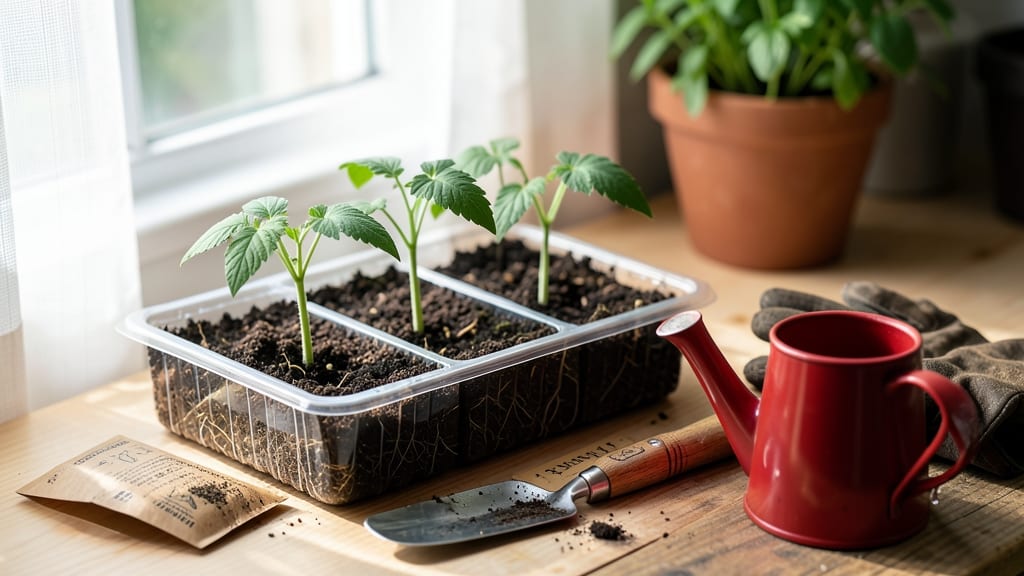
Raising a plant from a puny seedling to a thriving centerpiece takes just three secrets: light, soil, and water—and I’ll show you exactly how to get them right. 🌱 The first time I grew basil from seed, I nearly gave up when it wilted under my kitchen window.
Turns out, I was drowning it in well-intentioned waterings while starving it for light.
Start with the right soil—light, airy, and free of chemicals—and pick a pot with drainage holes. Most seedlings need 4-6 hours of sunlight daily, but don’t overdo it: afternoon sun can scorch tender leaves.
Water only when the top inch of soil feels dry, and always use room-temperature water to avoid shocking the roots.
By month three, you’ll have a plant that’s stronger, bushier, and ready to show off. The key is consistency: check soil moisture weekly, rotate the pot for even growth, and pinch back leggy stems to encourage branching. Even my black thumb can’t kill these with this method.
This works for herbs, veggies, or flowers—just adjust light needs (succulents want less, tomatoes more). The first harvest or bloom is the best reward. Ready to grow something that’ll actually thrive?
📚 In This Guide
- What you need
- Instructions
- Tips and common mistakes
- Wrapping up and next steps
What you need
- ● Plant: 1 healthy seedling or mature plant (check tags for light/soil needs)
- ● Container: 1 pot with drainage holes (size depends on plant: 4–6" for small herbs, 10–12" for medium plants, 16"+ for large plants)
- ○ Optional: Self-watering pot or cache pot for convenience
- ● Potting Mix: 1 bag of high-quality, well-draining soil (e.g., peat-based, cactus mix, or organic compost—avoid garden soil)
- ● Watering Can or Spray Bottle: 1 with a fine rose attachment (for gentle watering)
- ● Fertilizer: Required: Balanced liquid fertilizer (e.g., 10-10-10) or slow-release granules
- ○ Optional: Organic options like worm castings or compost tea
- ● Pruning Shears: 1 pair (for trimming dead leaves or shaping)
- ● Gloves: 1 pair (to protect hands from soil or thorns)
- ● Grow lights (LED or fluorescent) for low-light areas
- ● Humidity tray or pebble tray for tropical plants
- ● Soil moisture meter (to avoid over/under-watering)
- ● Plant labels (to track varieties and care notes)
- ● Mulch (e.g., bark chips) to retain moisture and suppress weeds
Step-by-Step guide to raising a healthy houseplant
Here's the straightforward approach I use to keep plants thriving—no guesswork, just proven results.
🌱 Step 1: Choose the Right Plant for Your Conditions
Start by matching your plant to your space. Bright, sunny windowsills suit succulents and herbs, while low-light corners work for snake plants or ZZ plants. I always check a plant’s light needs before buying—mismatched light is the #1 reason plants fail.
Observe your space for 3-5 hours daily to note how much direct sunlight hits different spots. South-facing windows get the most light, while north-facing spots stay dimmer. If your home has limited light, pick plants labeled "low-light tolerant" and avoid sun-lovers like fiddle-leaf figs.
💧 Step 2: Set Up the Perfect Pot and Soil Mix
Use a pot with drainage holes—water should flow freely, never pool at the bottom. I like terracotta for its breathability, but plastic works too if you’re consistent with watering. The pot should be 1-2 inches wider than the plant’s root ball to give roots room without overwhelming them.
Fill the pot with well-draining potting mix, not garden soil. I mix in a handful of perlite or orchid bark to improve aeration, especially for moisture-sensitive plants. Press the soil lightly around the roots to eliminate air pockets, but don’t pack it down tightly—roots need space to breathe.
☀️ Step 3: Master the Light Requirements
Place your plant where it gets its ideal light conditions. Most houseplants thrive with bright, indirect light, so avoid harsh midday sun unless the plant is a sun-lover. Rotate the pot a quarter turn weekly so the plant grows evenly—you’ll notice one side leaning toward the light if you skip this.
Watch for signs of too much or too little light: leggy growth or yellowing leaves mean it needs more light, while brown leaf tips or crispy edges signal sunburn. If your plant starts looking sad, move it closer or farther from the window and observe for 1-2 weeks to see if it recovers.
🌿 Step 4: Water with Confidence
Water only when the top 1-2 inches of soil feel dry. Stick your finger in the soil—if it’s damp, wait. Overwatering kills more plants than underwatering, so I always err on the side of less. Use room-temperature water to avoid shocking the roots.
Water deeply until it drains from the bottom, then empty the saucer after 10-15 minutes to prevent root rot. I water in the morning so the plant has time to absorb moisture before evening. If the soil stays soggy for days, your pot may not drain well—check those holes!
✂️ Step 5: Maintain and Troubleshoot
Dust leaves regularly with a damp cloth—plants breathe through their leaves, and dust blocks their access to air. I wipe mine every 2-4 weeks, depending on how much dust collects. Prune yellow or damaged leaves with clean scissors to encourage new growth.
If your plant stops growing or drops leaves, reassess its care. Common fixes: more light, less water, or fertilizer (use a diluted houseplant fertilizer every 4-6 weeks in spring/summer). Most issues fix themselves with small adjustments—don’t give up after one bad week!
Tips & tricks for perfect plant care
Took me years to figure out what really makes plants thrive—here's what nobody tells you about keeping them happy.
Light Inspection Tip: The 3-5 hour daily observation in Step 1 isn't just about sunlight—it's about understanding your space's natural rhythm. I've found that even small windows can provide enough light if positioned correctly. Place a mirror behind the plant to reflect light onto the darker side, effectively doubling the light exposure without moving the plant. This works especially well for north-facing windows where light is naturally limited.
Pot Selection Strategy: When choosing a pot 1-2 inches wider than your plant's root ball, consider the material's thermal properties. Terracotta pots dry out faster, which helps prevent overwatering, while plastic retains moisture longer—ideal for forgetful plant parents. I always add a layer of pebbles at the bottom of plastic pots to improve drainage and prevent root rot from sitting water.
Weekly Rotation Hack: The quarter turn weekly rotation in Step 3 isn't just about even growth—it's a chance to inspect your plant's health. Use this rotation time to check the undersides of leaves for pests, examine the soil for mold or fungus, and assess the plant's overall color. I've caught early signs of spider mites during these rotations that would have become full-blown infestations if ignored.
Watering Technique: The 10-15 minute drainage period after watering is crucial, but don't just empty the saucer—use this time to check for any signs of water damage. If you notice water pooling around the base after 15 minutes, your pot may need additional drainage holes. I've found that adding a small layer of activated charcoal to the soil can help purify water and prevent bacterial growth in the saucer during this drainage period.
Pro Tips for Raise A Plant
- Took me years to figure out what really makes plants thrive—here's what nobody tells you about keeping them happy.
- Light Inspection Tip: The 3-5 hour daily observation in Step 1 isn't just about sunlight—it's about understanding your space's natural rhythm.
- Pot Selection Strategy: When choosing a pot 1-2 inches wider than your plant's root ball, consider the material's thermal properties.
Frequently asked questions
Got questions about raising a thriving plant? You’re not alone—here are some of the most common ones we hear! Whether you're a beginner or just need a quick refresher, these answers will help you grow with confidence.
What’s the easiest plant for beginners to raise?
Start with snake plants, pothos, or spider plants—they’re hardy, forgiving, and thrive in low light. Succulents like jade plants are also great since they need minimal water. Avoid fussy plants like orchids or ferns until you’ve mastered the basics!
How often should I water my plant?
Water when the top 1-2 inches of soil feel dry. Overwatering is the #1 killer—stick your finger in the soil to test! Most houseplants prefer deep but infrequent watering. Adjust based on light: more sun = more water (but still check the soil first).
Can I use artificial light if my plant doesn’t get enough sunlight?
LED grow lights (or even bright fluorescent bulbs) work wonders for plants like herbs, succulents, or leafy greens. Place the light 6-12 inches above the plant and keep it on for 12-16 hours daily. Rotate the plant weekly for even growth.
What should I do if my plant has bugs or yellow leaves?
Yellow leaves often mean overwatering or poor drainage—trim them and adjust your watering routine. For bugs (like spider mites or aphids), wipe leaves with soapy water or spray with neem oil. Isolate the plant to prevent spreading, and check the undersides of leaves!
How long does it take to see noticeable growth?
It depends on the plant! Fast growers like bamboo or basil may show changes in 2-4 weeks, while slower plants (like monstera or fiddle-leaf figs) can take 3-6 months. Patience is key—focus on consistent care over speed!
Wrapping up and next steps
Raising a thriving plant is all about patience, observation, and a little green thumb love! 🌱 Remember, the right light, soil, and water—along with a dash of attention—are your secret ingredients.
Start small, stay consistent, and don’t forget to celebrate those tiny victories, like your first leaf or bloom.
Ready to level up? Experiment with new plants or share your newfound skills with a friend! Every gardener starts somewhere—your next masterpiece could be just a seed away. Happy growing! 🌿