
Planting
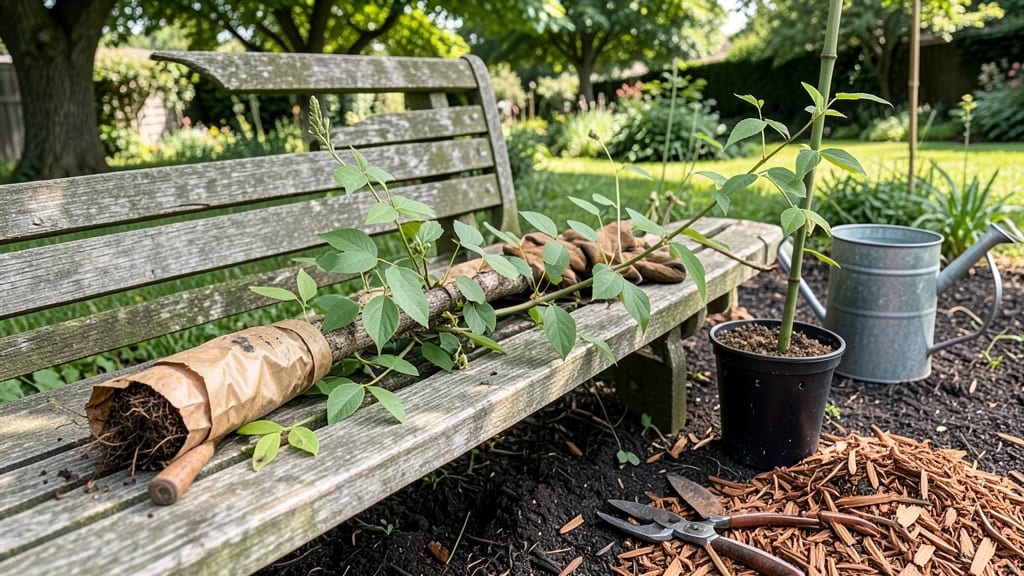
Starting a wisteria plant from scratch gives you the chance to grow one of the most stunning climbers around—those fragrant purple (or white) cascades in just 6-8 weeks. 🌿 I learned the hard way that wisteria thrives when you mimic its natural woodland habitat, and the secret lies in the soil, sunlight, and patience with its early growth.
Most beginners rush the process, but wisteria rewards those who take their time with proper planting and support.
The best way to start wisteria is from hardwood cuttings (not seeds), which root reliably if taken in late winter. You’ll need well-draining soil mixed with compost, a sunny spot with partial afternoon shade, and a sturdy trellis or fence for its vigorous vines.
Water deeply after planting, but avoid soggy soil—wisteria hates wet roots. The first year is all about establishing roots, so resist the urge to prune heavily until you see new growth in spring.
By summer, you’ll spot fresh green tendrils climbing your support, and with proper care, those first blooms arrive in 2-3 years. The fragrance alone makes it worth the wait, but the real magic happens when the vines weave through your garden like a living tapestry.
Just remember: wisteria grows fast, so plan for its mature size (up to 30 feet) and prune annually to keep it manageable.
Whether you’re planting in a backyard, balcony container, or along a pergola, wisteria adapts beautifully—just give it space to stretch. The key is consistency: water when the top inch of soil dries, fertilize lightly in spring, and prune after flowering.
Soon, you’ll have a fragrant, shade-providing masterpiece that turns heads (and fills the air with perfume) every spring.
📚 In This Guide
- What you need
- Instructions
- Tips and common mistakes
- Wrapping up and next steps
What you need
- ● Wisteria plant: Choose between Wisteria sinensis (Chinese) or Wisteria floribunda (Japanese)—both work! Start with a 1- to 3-year-old plant for best results.
- ● Well-draining soil: A mix of 60% topsoil, 30% compost, and 10% perlite or sand (1 cubic yard for planting). Wisteria hates soggy roots!
- ● Support structure: A trellis, arbor, or sturdy fence (at least 6–8 feet tall for climbing). Avoid flimsy options—wisteria vines can get heavy!
- ● Fertilizer: A balanced 10-10-10 NPK fertilizer (1–2 lbs per plant) or a slow-release organic option like composted manure.
- ● Mulch: 2–3 inches of wood chips or shredded bark to retain moisture and regulate soil temperature.
- ● Pruning shears: Sharp, bypass pruners (for clean cuts) and loppers (for thicker branches). Sanitize with rubbing alcohol between cuts!
- ● Gloves & long sleeves: Wisteria can be thorny—protect your hands!
- ● Epsom salt: 1 tbsp per gallon of water (monthly) for magnesium boosts—great for leafy growth!
- ● Plant stakes: Temporary 3–4 ft stakes to guide young vines until they latch onto the trellis.
- ● Drip irrigation system: Automates watering and keeps roots consistently moist (especially useful in hot climates).
- ● Root stimulator: Like mycorrhizal fungi or seaweed extract to encourage strong root development.
- ● Patience (and coffee ☕): Wisteria grows fast but needs time—think of it as a long-term investment in garden drama!
Step-by-Step instructions for starting a wisteria plant
Here's how I get wisteria growing strong in just 6-8 weeks—no fancy tools, just patience and the right approach.
🌱 Step 1: Choose and Prepare Your Wisteria Starter
Start with a healthy 1-2 year old wisteria plant from a nursery. Look for one with multiple stems and buds—this means it’s already established and ready to grow. If you’re using seeds (which takes years to flower), skip this and plant directly in the ground instead. I always opt for a young plant because it blooms faster and handles transplanting better.
Before planting, soak the roots in lukewarm water for 1-2 hours. This revives them and helps the plant recover from any root disturbance. Gently shake off excess water—you don’t want soggy roots sitting in the planting hole.
🪴 Step 2: Pick the Perfect Spot and Plant Deeply
Wisteria needs full sun (6+ hours daily) and room to climb—think near a fence, trellis, or sturdy arbor. The roots are aggressive, so plant at least 15 feet away from sidewalks or driveways to avoid lifting pavement. Dig a hole twice as wide as the root ball but 3-4 inches deeper—wisteria roots need depth to establish.
Place the plant in the hole and backfill with native soil, tamping gently to remove air pockets. The top of the root ball should sit 2 inches below soil level. This encourages strong root growth before shoots emerge. Water deeply right after planting to settle the soil around the roots.
☀️ Step 3: Train and Support Early Growth
In the first 4-6 weeks, wisteria will focus on root growth before sending up new shoots. Once you see new green growth (3-4 inches tall), gently tie the main stems to your support structure using soft plant ties or old pantyhose. Never wrap wire or anything that can cut into the bark—wisteria is delicate when young.
Prune back any leggy or weak growth to encourage bushier stems. I cut back about 1/3 of the new shoots to redirect energy into stronger branches. This might seem counterintuitive, but it pays off with thicker, more productive vines later.
💧 Step 4: Water and Fertilize for Strong Establishment
Water deeply once a week for the first 8 weeks, aiming for 1-2 inches of water per session. Let the top 2 inches of soil dry out between waterings—this prevents root rot while keeping the plant hydrated. Mulch around the base with 2-3 inches of organic mulch (like wood chips) to retain moisture and protect roots from temperature swings.
After 6 weeks, feed with a balanced fertilizer (10-10-10) at half strength. Too much nitrogen now leads to leafy growth at the expense of flowers. I apply it in early spring when new shoots appear—this jumpstarts blooming for next year.
✂️ Step 5: Prune for Shape and Encourage Blooms
By 8 weeks, your wisteria should have 3-5 main stems. Prune back the current year’s growth by 1/3 to encourage branching. Cut just above a leaf bud, angling the cut slightly downward to prevent water pooling. This step is critical—it trains the plant to grow thicker, more flower-producing branches.
Remove any suckers growing from the base (these drain energy from the climbing vines). If you see weak or crossing branches, prune them out now. You’ll see new, stronger growth in 4-6 weeks, and those stems will be your main flowering branches next spring.
Tips & tricks for perfect wisteria plant establishment
These simple tricks will help your wisteria thrive in just 6-8 weeks—no green thumb required!
Root Revival: That 1-2 hour root soak in Step 1 is crucial for transplant shock recovery. Use room-temperature water (not cold) to avoid stressing the roots further. If your water runs cold, let it sit in the sun for 10 minutes first. I've seen wisterias with soggy roots rot within days—always shake off excess water before planting.
Planting Depth Secret: Burying the root ball 2 inches below soil level in Step 2 might seem counterintuitive, but it actually prevents stem rot while encouraging deeper root growth. Mark the planting depth on your shovel before digging to avoid mistakes—this small step makes all the difference in long-term stability.
Support System: When training vines in Step 3, use soft plant ties or even strips of old T-shirts instead of wire. Wisteria bark is delicate, and wire can girdle stems as they grow. I've learned this the hard way after seeing beautiful vines strangle themselves from improper support. Check ties monthly—they'll need loosening as stems thicken.
Watering Wisdom: Those 1-2 inches of water per week in Step 4 should go directly to the root zone, not the leaves. Use a soaker hose or watering can with a rose attachment to prevent fungal diseases. I water in the morning so moisture evaporates by evening, which helps prevent root rot in humid climates.
Pro Tips for Start A Wisteria Plant
- These simple tricks will help your wisteria thrive in just 6-8 weeks—no green thumb required!
- Root Revival: That 1-2 hour root soak in Step 1 is crucial for transplant shock recovery.
- Planting Depth Secret: Burying the root ball 2 inches below soil level in Step 2 might seem counterintuitive, but it actually prevents stem rot while encouraging deeper root growth.
Frequently asked questions
Got questions about growing wisteria? You’re not alone—this stunning vine has a few quirks! Here are answers to the most common queries to help you get started with confidence.
How long does it take for wisteria to bloom?
Wisteria typically takes 3–5 years to bloom after planting from seed, but grafted plants may flower in 1–2 years. Patience is key—focus on training the vine early to encourage healthy growth. Prune aggressively in late winter to shape it and boost future blooms!
Can I grow wisteria from a cutting or do I need to buy a plant?
Yes! You can propagate wisteria from hardwood cuttings (taken in late winter) or layering (bending a low branch into the soil). However, buying a grafted plant ensures faster, more reliable blooms. If starting from seed, expect years before flowers appear.
When is the best time to plant wisteria?
The ideal time is early spring or fall, when temperatures are mild (50–70°F). Avoid planting in summer heat or winter frost, as young roots are sensitive. If planting in containers, use a well-draining mix and keep it in partial shade until established.
Why isn’t my wisteria growing? Troubleshooting tips.
Slow growth? Check these issues:
- Poor drainage: Wisteria hates soggy roots—amend heavy soil with compost.
- Lack of sunlight: It needs 6+ hours of sun daily for vigorous growth.
- Over-pruning: Only prune after flowering to avoid removing next year’s blooms.
- Pests: Watch for aphids or spider mites—spray with neem oil if needed.
Are there low-maintenance wisteria alternatives?
If wisteria’s growth demands seem daunting, try these easier climbers with similar charm:
- Clematis: Blooms yearly, less aggressive, and thrives in partial shade.
- Jasmine (Trachelospermum): Fragrant flowers, slower growth, and drought-tolerant.
- Honeysuckle: Fast-growing, attracts pollinators, and handles pruning well.
Wrapping up and next steps
Starting a wisteria plant is a rewarding journey that combines patience and care—just like nurturing any beloved garden treasure! 🌿 With the right soil, sunlight, and a sturdy support structure, you’ll soon watch those fragrant blooms transform your space into a dreamy retreat.
Now that you’re equipped with the know-how, take the first step today—whether it’s prepping your soil, planting those seeds, or training your vine to climb.
Remember: consistency is key. Check in on your wisteria regularly, and soon, you’ll be enjoying its lush beauty for years to come. Happy planting! 🌸