
Planting
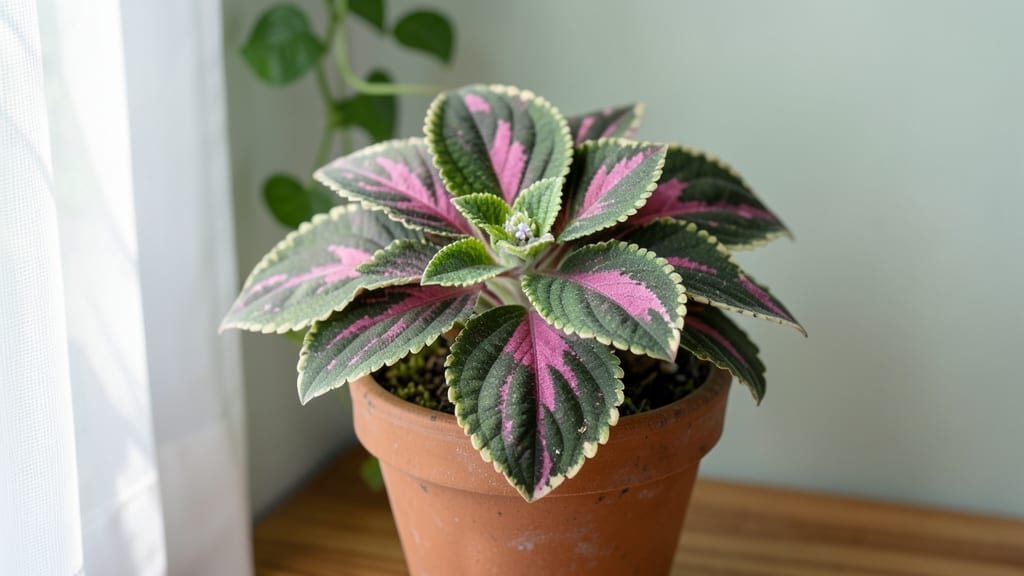
Taking care of a coleus plant is like having a living piece of art that grows back every time you prune it. 🌿 The secret to those shockingly vibrant leaves lies in just a few simple habits—light, water, and a little strategic trimming—that keep it lush and colorful all year.
I’ve turned my coleus from a struggling houseplant to the star of my indoor garden by following these exact steps, and you can too.
The first rule? Bright, indirect light is non-negotiable—think east-facing windows or a few feet from a south window. Too much sun burns those stunning leaves, while too little light fades the colors fast.
Water when the top inch of soil feels dry, but never let it sit soggy; coleus roots hate wet feet. A well-draining potting mix with a bit of perlite keeps things happy, and fertilizing every 4-6 weeks in spring and summer gives it the boost it craves.
Here’s where the magic happens: Prune like a pro. Pinch back the tips of leggy stems to encourage bushier growth, and snip off any yellow or damaged leaves. Coleus plants reward you by growing back even more vibrant foliage—it’s like getting a free upgrade on your decor.
With the right care, you’ll have a plant that stays bold, healthy, and full of personality for months.
Outdoor gardeners, don’t miss out—coleus thrives in shady garden spots too. Just bring it inside before frost, and you’ll have a year-round foliage showstopper. The best part? Even if you forget a watering day or two, coleus is forgiving. Now, let’s get those leaves popping with color!
📚 In This Guide
- What you need
- Instructions
- Tips and common mistakes
- Wrapping up and next steps
What you need
- ● Coleus plant: 1 healthy plant (check for vibrant leaves and no signs of pests/disease).
- ● Well-draining potting mix: 1 bag (1-2 cubic feet) of a light, airy mix (e.g., 50% peat moss, 30% perlite, 20% vermiculite).
- ● Pot with drainage holes: 1 container (6-10 inches in diameter) with drainage holes to prevent root rot.
- ● Watering can or spray bottle: 1 with a narrow spout for precise watering.
- ● Fertilizer: 1 bottle of balanced liquid fertilizer (10-10-10 or 20-20-20, diluted to half-strength).
- ● Pruning shears: 1 pair of sterilized, sharp shears for trimming.
- ○ Humidity tray or pebbles: 1 tray + pebbles (optional but helpful for dry climates).
- ● Grow lights: 1-2 LED grow lights (for indoor plants needing extra brightness).
- ● Plant food: 1 packet of worm castings or compost for nutrient boosts.
- ● Mulch: 1 bag of organic mulch (e.g., shredded bark) to retain moisture.
- ● Plant labels: 1-2 labels to track varieties (if growing multiple types!).
Step-by-Step instructions for growing coleus plants
Here's how I keep my coleus thriving with bold colors and lush growth—no fancy tricks, just consistent care.
🌱 Step 1: Choose the Right Light for Vibrant Foliage
Coleus plants need bright, indirect light to keep their colors vivid. A south or west-facing window works best, but avoid harsh afternoon sun that can scorch leaves. If your light is too dim, you'll notice leaves losing their bright patterns and turning pale green.
I rotate my plants quarter turn weekly so they grow evenly. Watch for stems leaning toward the light—that's your cue to move the pot closer. In low-light spots, supplement with a grow light 6-12 inches away for 12-14 hours daily.
💧 Step 2: Water When Soil Feels Dry to the Touch
Water coleus when the top 1-2 inches of soil feel dry. I stick my finger in the soil—if it comes out clean, it's time to water. Overwatering causes yellow leaves and root rot, while underwatering makes leaves crispy at the edges.
Use room-temperature water and water until it drains freely from the bottom. Empty the saucer after 10 minutes to prevent soggy roots. In winter, water 25-50% less since growth slows dramatically.
✂️ Step 3: Prune Regularly for Bushier Growth
Pinch off the top set of leaves when the plant reaches 6 inches tall. This encourages branching and prevents leggy growth. I do this every 4-6 weeks during growing season to keep my coleus compact and full.
For mature plants, cut back stems to just above a leaf node to promote new growth. Remove any yellow or damaged leaves immediately—they drain energy from the plant. Always use clean, sharp scissors to prevent disease.
☀️ Step 4: Feed Monthly for Intense Colors
Use a balanced liquid fertilizer (10-10-10) diluted to half-strength every 4-6 weeks during spring and summer. I fertilize right after watering to prevent root burn. You'll notice leaves staying vibrant and new growth appearing faster.
In fall and winter, cut back to every 8-12 weeks since growth slows. Never fertilize a dry plant—always water first. If you see brown leaf tips, you're overdoing it with fertilizer.
🪴 Step 5: Repot Every 1-2 Years for Fresh Growth
Repot in spring when roots start circling the pot. Choose a container just 1-2 inches larger than the current one. I use a pot with drainage holes and fresh potting mix to prevent compaction.
Gently loosen roots before repotting to encourage outward growth. After repotting, hold off on fertilizer for 4-6 weeks to let the plant adjust. You'll see new leaves emerging within 2-3 weeks as a sign it's thriving.
Tips & tricks for perfect coleus care
Took me a while to figure these out, so here's how I keep my coleus plants looking showstopping all year.
Lighting Secret: The 12-14 hours of grow light in Step 1 works wonders, but I've found that positioning the light slightly above the plant (about 8-10 inches) creates more even coverage. If you notice one side growing toward the light, rotate the plant daily instead of weekly—this prevents that lopsided look that kills the symmetry.
Soil Check Technique: For the 1-2 inch soil check in Step 2, I use a clean chopstick instead of my finger—it's more hygienic and gives me a consistent depth measurement. If the chopstick comes out with soil clinging to it, wait another day. I've ruined plants by overwatering because I thought the soil felt dry when it was actually just damp from previous watering.
Pruning Pro Tip: When you're pinching back at 6 inches in Step 3, look for the first set of leaves that are about half the size of the top leaves—this is your leaf node. Cutting just above this spot encourages stronger branching. I also keep a small spray bottle nearby to mist the cut stems immediately after pruning, which helps prevent wilting.
Fertilizer Timing: The 4-6 week feeding schedule in Step 4 is perfect, but I've learned to fertilize on a cloudy day or in the evening. This prevents the fertilizer from burning the leaves when the sun intensifies. I also mix a tiny pinch of Epsom salt (about 1/8 teaspoon per gallon) with the fertilizer every other feeding—it gives my coleus that extra pop of color.
Pro Tips for Take Care Of Coleus Plant
- Took me a while to figure these out, so here's how I keep my coleus plants looking showstopping all year.
- Lighting Secret: The 12-14 hours of grow light in Step 1 works wonders, but I've found that positioning the light slightly above the plant (about 8-10 inches) creates more even coverage.
- Soil Check Technique: For the 1-2 inch soil check in Step 2, I use a clean chopstick instead of my finger—it's more hygienic and gives me a consistent depth measurement.
Frequently asked questions
Got questions about keeping your coleus plant thriving?
Here are answers to the most common ones—so you can enjoy lush, colorful foliage all year long!
How often should I water my coleus plant?
Water your coleus when the top 1-2 inches of soil feel dry—usually every 5-7 days, depending on humidity and light. Overwatering is a common mistake! Ensure pots have drainage holes to prevent root rot. Pro tip: Stick your finger in the soil to check moisture levels—don’t rely on a schedule!
Why are my coleus leaves turning yellow or brown?
Yellow leaves often mean overwatering, while brown edges usually signal low humidity or underwatering. Check soil moisture and adjust watering. Brown spots with crispy edges? Your coleus might need more shade or protection from direct sun. Fix it fast: Trim damaged leaves and adjust care routines!
Can coleus survive indoors without direct sunlight?
Yes! Coleus thrives in bright, indirect light—like near an east- or north-facing window. If leaves fade or stretch (called "etiolation"), move it closer to a light source or use a grow light. Just avoid harsh afternoon sun, which can scorch delicate foliage.
How do I encourage my coleus to grow bushier instead of tall and leggy?
Prune leggy stems by cutting just above a leaf node to promote branching. Pinch back new growth regularly to encourage a fuller shape. Rotate the pot every few weeks so all sides get even light—this prevents uneven growth. Bonus: Fertilize lightly every 4-6 weeks for extra vigor!
Can I propagate coleus from cuttings, and how?
Snip a 4-6 inch stem just below a leaf node, remove lower leaves, and place it in water or moist potting mix. Keep it in bright, indirect light and change the water every few days. Roots should appear in 2-3 weeks. Once rooted, transplant to soil!
Wrapping up and next steps
Caring for your coleus plant is all about light, love, and a little consistency—and the reward? Stunning, ever-changing foliage that brightens your space year-round! 🌿 Whether you’re a seasoned plant parent or just starting, these tips will help you nurture a thriving coleus that stays vibrant and healthy.
Now that you’re armed with the know-how, grab those shears, adjust that humidity tray, and watch your plant flourish—your green thumb is ready for action!
Next step: Snap a photo of your coleus and share it with fellow plant lovers—tag us in your progress! 📸✨