
Planting
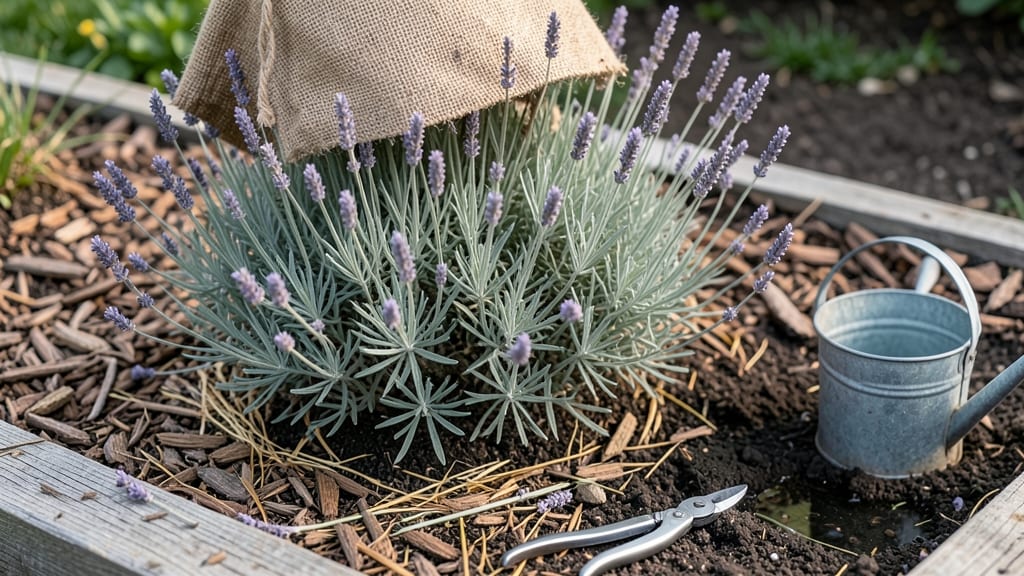
Taking care of lavender in winter means saving your plant from woody stems and frost damage—the key is timing and protection. 🌿 I’ve seen lavender turn from fragrant purple bushes to sad, brown sticks after winter, but the right prep keeps them thriving. The secret?
Pruning in late fall, mulching just right, and shielding from harsh winds. Most gardeners overlook watering adjustments—lavender needs less in winter, but too little causes stress. I learned this the hard way when my plants dried out during a cold snap.
A thick layer of mulch (2-3 inches) insulates roots, while a burlap wrap around the base blocks freezing winds. Even in Zone 5, my lavender survives with these simple steps. By spring, you’ll see new green shoots where last year’s stems were pruned back.
The fragrance returns stronger, and the plant grows fuller than ever. It’s not just about survival—it’s about setting up lavender for its best blooms next summer. Works for English, French, and Spanish lavender—just adjust timing based on your first frost date. Here’s exactly how to do it without guesswork.
📚 In This Guide
- What you need
- Instructions
- Tips and common mistakes
- Wrapping up and next steps
What you need
- ● Pruning shears – Sharp, clean pair (sterilize with rubbing alcohol to prevent disease).
- ● Organic mulch – 2–3 inches of straw, pine needles, or shredded leaves (avoid fresh wood chips—they can compact and suffocate roots).
- ● Burlap or frost cloth – 4–6 feet wide (enough to wrap around the plant or drape over it).
- ● Stakes or small wooden dowels – 2–3 per plant (to support mulch/wrapping).
- ● Garden twine or clips – For securing frost cloth if needed.
- ● Well-draining soil mix – If repotting, use a blend with perlite or sand (lavender hates soggy roots!).
- ● Watering can with a fine rose nozzle – For gentle hydration (avoid overhead watering in cold snaps).
- ● Landscape fabric – To block weeds under mulch.
- ● Heat mat or insulated pot sleeves – For container lavender in Zone 5 or colder.
- ● Slow-release fertilizer – Low-nitrogen formula (like 5-10-10) to nourish roots post-winter.
- ● Thermometer – To monitor soil temps (ideal: above 20°F/-7°C).
- ● Decorative rocks or pebbles – For a polished look around the base.
Step-by-step guide to winterizing your lavender plants
Here’s how I keep my lavender thriving through freezing temps—no fancy equipment, just smart prep.
🌿 Step 1: Prune Back Lightly Before Frost
Wait until after the first hard frost to prune, but do it before temperatures drop below 20°F. I cut back about one-third of the plant’s growth, focusing on any dead or woody stems. This encourages fresh, frost-resistant growth in spring and prevents the plant from channeling energy into weak winter branches.
Use clean, sharp shears to avoid tearing the stems. Snip just above a leaf node or bud—this is where new growth will emerge in spring. Avoid heavy pruning now; lavender stores energy in its woody base, and aggressive cuts can weaken it before winter.
☀️ Step 2: Apply a Thick Mulch Layer
Spread 3-4 inches of organic mulch—like straw, pine needles, or shredded bark—around the base of the plant. I avoid using fresh wood chips, as they can draw moisture and rot the roots. The mulch acts like a blanket, insulating the roots from temperature swings and preventing soil heaving when frost expands.
Keep the mulch 2-3 inches away from the plant’s stem to avoid moisture buildup that could cause rot. For extra protection, mound a small pile of mulch over the crown of the plant if your winters are particularly harsh.
🪴 Step 3: Shield with Burlap or Frost Blankets
If your lavender is in a container, move it to a sheltered spot against a south-facing wall or under an eave. For in-ground plants, wrap the entire bush loosely in burlap or frost cloth before the first freeze. Secure it with stakes or twine, leaving the top open to allow some airflow—lavender needs to breathe, even in winter.
For severe cold snaps (below 10°F), add a thick layer of burlap or even a cardboard box wrapped in burlap around the plant. Check periodically to ensure no ice buildup or moisture is trapped against the stems. Lavender can handle light frost, but prolonged deep freezes can kill it.
💧 Step 4: Reduce Watering and Monitor Soil
Once temperatures drop below 40°F, stop watering entirely. Lavender is drought-tolerant and stores enough moisture in its woody stems to survive winter without supplemental water. Overwatering now can lead to root rot, especially if the soil doesn’t drain well.
Check the soil occasionally—if it feels damp to the touch, hold off on watering. If your area gets heavy rain or snow, ensure the mulch isn’t compacting into the soil, which can suffocate roots. A light dusting of snow is actually beneficial, as it adds insulation.
⏰ Step 5: Spring Prep Check-In
As temperatures rise above 40°F in early spring, remove the burlap or frost cloth and rake away any old mulch. This prevents the soil from staying too cold and allows the plant to wake up naturally. If you see any dead or damaged stems, trim them back to healthy growth—lavender is resilient and will bounce back.
Wait until after the last frost to prune again. This final trim encourages full, bushy growth for the season. I also add a light layer of fresh mulch around the base to protect the new shoots as they emerge.
Tips & tricks for perfect winter lavender care
A few key strategies that'll make all the difference in protecting your lavender through freezing temperatures.
Timing is Everything: The window between the first hard frost and dropping below 20°F is your golden opportunity for pruning. I've learned this the hard way—pruning too early can stimulate new growth that won't survive winter, while waiting too late risks damaging the plant. After that first frost, give it 3-5 days to harden off before cutting back about one-third of the growth. This timing ensures the plant has already adjusted to cooler weather but hasn't been stressed by extreme cold.
Mulch Selection Matters: Not all mulches are created equal when it comes to winter protection. I've found that straw and pine needles work best because they're lightweight yet insulating. Avoid using fresh wood chips—they can actually draw moisture into the soil, which is the last thing you want during winter. For extra protection in harsh climates, consider adding a layer of burlap over the mulch. This creates an additional insulating barrier while still allowing airflow to prevent moisture buildup.
Airflow Protection: While you want to shield your lavender from freezing winds, remember that complete suffocation can be just as harmful. When wrapping your plants in burlap or frost cloth, leave the top open to allow some airflow. I've seen lavender plants rot from trapped moisture when completely enclosed. For container plants, position them against a south-facing wall or under an eave where they'll benefit from some wind protection but still get essential airflow.
Snow Can Be Helpful: Contrary to what some might think, a light dusting of snow actually benefits lavender plants. The snow acts as an additional insulating layer, protecting the plant from temperature swings. However, be cautious with heavy snowfall—it can compact and suffocate the plant. If you notice heavy snow accumulation, gently brush it off the lavender stems to maintain proper airflow while still benefiting from the insulation.
Pro Tips for Take Care Of Lavender Plant In Winter
- A few key strategies that'll make all the difference in protecting your lavender through freezing temperatures.
- Timing is Everything: The window between the first hard frost and dropping below 20°F is your golden opportunity for ...
- Mulch Selection Matters: Not all mulches are created equal when it comes to winter protection. I've found that straw ...
Frequently asked questions
about winterizing your lavender plants—because even the toughest gardeners need a little clarity!Can lavender survive winter without any protection?
It depends! Hardy lavender varieties (like Lavandula angustifolia) can tolerate light frost, but heavy snow or prolonged cold (<10°F/-12°C) may damage them. If you’re in a harsh climate, mulch or move potted plants to a sheltered spot. Pro tip: Avoid plastic wraps—airflow is key!
When is the best time to winterize lavender?
Start preparing in late fall (before the first hard frost) to give roots time to adjust. Prune back dead foliage in early winter, then add mulch or protective coverings. If you’re in a mild zone, wait until temperatures dip consistently below freezing. Timing tip: Check your local frost dates for precision!
What’s the easiest way to protect potted lavender in winter?
Move pots to a north-facing porch, garage, or cold frame (away from freezing winds). Wrap containers in bubble wrap or burlap, and place them on insulating materials like foam boards. Water lightly before storage—never let soil freeze solid! Bonus: Group pots together to retain warmth.
Will lavender regrow if it looks dead after winter?
Don’t panic! Lavender often looks dormant but is alive. Cut back brown stems in early spring—new growth should appear by late April or May. If no signs of life emerge after pruning, the plant may have died from rot or extreme cold. Troubleshoot: Check roots for mushiness (a red flag!).
Can I use straw or leaves as mulch for lavender?
Stick to organic mulches like straw or shredded leaves, but avoid piling them too high (2–3 inches max). Lavender hates soggy roots, so ensure good drainage. Alternative: Use pine needles or wood chips for a lightweight layer. Warning: Avoid fresh grass clippings—they can mat and trap moisture.
Wrapping up and next steps
Taking care of your lavender plant in winter doesn’t have to be stressful—just follow these simple steps to keep your fragrant beauty thriving! With the right preparation, mulching, pruning, and protection from harsh elements, your lavender will bounce back stronger in spring. 🌿❄️
Now that you’re armed with the knowledge, give your lavender the love it deserves and watch it reward you with vibrant blooms next season. Ready to take the next step? Check out our guide on springtime lavender care to keep the growth going strong!