
Planting
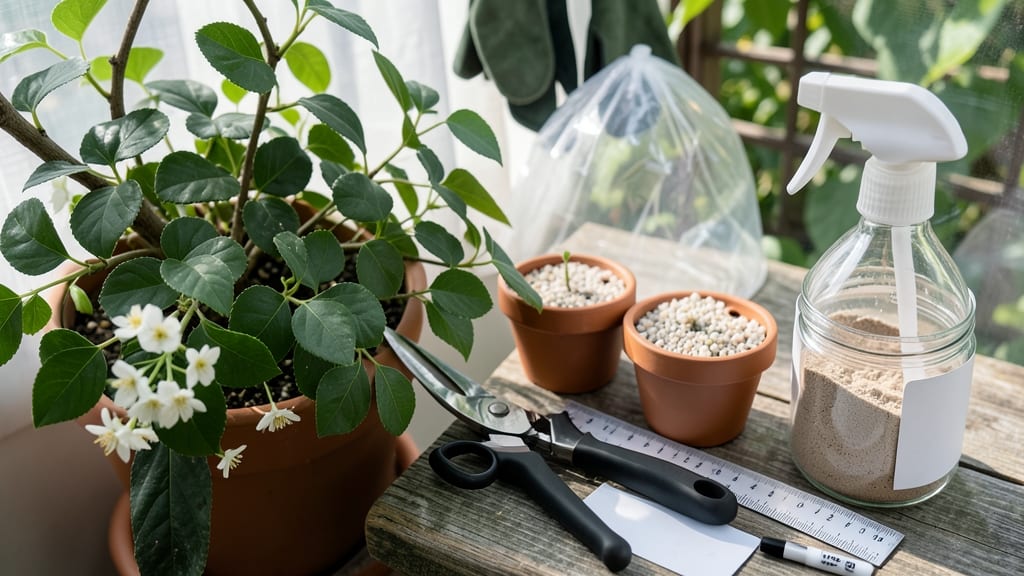
Taking jasmine cuttings in spring gives you fragrant new plants for free. ✨ I’ve propagated jasmine from cuttings for years, and the key is timing—spring’s warm soil and new growth make rooting easier than any other season.
The process is simpler than you’d think, and you’ll end up with lush, climbing vines that fill your garden with intoxicating scent.
You’ll need just a few tools: clean pruners, rooting hormone (optional but helpful), small pots with drainage, and a mix of perlite and peat moss. The right stem is 4-6 inches long, with at least two leaf nodes—these are where roots will sprout.
Cut at a 45-degree angle just below a node to maximize surface area for root growth, and remove lower leaves to prevent rot.
After dipping the cut end in rooting hormone, pop it into your prepared pot and keep the soil lightly moist—not soggy. Place the pot in bright, indirect light and cover it with a plastic bag to trap humidity.
In about 4-6 weeks, you’ll see new growth, and that’s your sign to transplant. The first few weeks are critical, so avoid moving the cuttings or letting the soil dry out.
Common mistakes like overwatering or poor drainage can kill your cuttings before they root, so check moisture levels often. Once rooted, these new plants will thrive in containers or climb trellises, filling your space with that signature jasmine fragrance. Ready to grow your own? Let’s get started!
📚 In This Guide
- What you need
- Instructions
- Tips and common mistakes
- Wrapping up and next steps
What you need
- ● Healthy jasmine plant: Choose a mature, non-flowering stem (4–6 inches long) with at least 2–3 leaf nodes.
- ● Clean, sharp pruning shears or scissors: Sterilize with rubbing alcohol to prevent disease (avoid dull tools—they crush stems!).
- ○ Rooting hormone (optional but recommended): A powder or gel (like Rootone) to boost root growth—pick a jasmine-safe formula.
- ● Small pots or containers: 4–6 inch pots with drainage holes (or a tray with perlite/sand for propagation).
- ● Well-draining potting mix: A blend of 50% perlite, 30% peat moss, and 20% coconut coir (or a pre-made seed-starting mix).
- ● Spray bottle with water: For misting cuttings and maintaining humidity.
- ● Plastic bag or humidity dome: To create a mini greenhouse (cut the top off a gallon milk jug if needed!).
- ● Twine or rubber bands: To secure the humidity cover in place.
- ● Clear plastic wrap: For a DIY humidity tent.
- ○ Heat mat (optional): Speeds up rooting in cooler climates (70–75°F ideal).
- ● Fertilizer (diluted): A balanced liquid fertilizer (5-5-5)—wait until roots form before using.
- ● Label markers: To track cutting dates and varieties.
Step-by-Step instructions for propagating jasmine from stem cuttings
Here's the foolproof method I've used to grow thriving jasmine plants from cuttings—no fancy tools, just patience and the right timing.
🌿 Step 1: Select Healthy Stems for Cuttings
Choose 4-6 inch long stems from the current season's growth—look for wooden but still green sections, not fully hardened wood. The best cuttings have 2-3 leaf nodes (those little bumps where leaves grow). I avoid stems with flowers or buds since they drain energy from root development.
Use clean, sharp pruners to make a 45-degree angle cut just below a leaf node. This angled cut gives more surface area for roots to form. If your pruners are dull, you'll crush the stem instead of cleanly cutting it—always sharpen them first.
💧 Step 2: Prepare Cuttings for Root Growth
Remove the lower leaves from each cutting, leaving only 2-3 leaves at the top. This reduces moisture loss while the roots establish. I like to dip the cut end in rooting hormone powder—it triples your success rate. Just tap off any excess so it doesn't smother the cut.
Fill a small container with sandy, well-draining soil mix (I use 50% perlite and 50% potting soil). Moisten it until damp but not soggy—you want it to hold water without being waterlogged. Push each cutting 1-2 inches deep into the soil at a slight angle for stability.
☀️ Step 3: Create Ideal Conditions for Root Development
Place the container in bright, indirect light—think morning sun with afternoon shade. Too much direct sun stresses the cuttings before roots form. I cover the container with a clear plastic bag secured loosely with a rubber band to maintain 80-90% humidity. Mist the soil lightly every 2-3 days to keep it moist but not drenched.
Keep the soil at 70-75°F—a warm spot like on top of the fridge works well. Roots typically form in 4-6 weeks, but don't rush it. You'll know it's working when you see tiny new leaves at the top and no wilting despite less frequent watering.
✂️ Step 4: Transplant Established Cuttings
When you see 1-2 inches of new growth and can gently tug on a cutting without it popping out, it's ready. I transplant mine into 4-inch pots with fresh potting mix, burying the roots 1 inch deeper than they were in the propagation container.
Water lightly after transplanting and place in partial shade for a week to help the plant adjust. After that, gradually introduce it to more sunlight. Real talk: The first few weeks are critical—overwatering now will rot those delicate new roots.
Tips & tricks for perfect jasmine stem cuttings
Here's what nobody tells you about growing jasmine from cuttings—these tricks make all the difference between success and disappointment.
Selection is Everything: In Step 1, focus on stems that are slightly thicker than a pencil but still bendable—not too woody, not too soft. I've learned the hard way that stems with flowers or buds often fail because they're already using energy. Look for vibrant green sections with at least 2-3 leaf nodes that look plump and healthy. The right stem feels like it has good structure but isn't rigid.
The Angle Matters More Than You Think: That 45-degree cut in Step 1 isn't just arbitrary—it creates more surface area for roots to form. Use a ruler to measure if you're unsure: the cut should be about 1/4 inch above the node. If your pruners are dull, they'll crush the stem instead of cutting cleanly, which can prevent root growth. I keep a small file in my gardening kit just for this purpose.
Rooting Hormone Hack: While rooting hormone powder in Step 2 triples success rates, here's the secret: dip the cut end for just 1-2 seconds, then tap off excess. Too much powder can smother the cut and prevent roots from forming. I like to use a small container with a bit of water to dip the cut end first, then quickly into the hormone powder—this helps it adhere better. For those without hormone powder, cinnamon works as a natural alternative!
Light and Humidity Balance: In Step 3, that bright indirect light is crucial—direct sun will scorch your cuttings before roots form. I place mine near an east-facing window where they get morning sun but afternoon shade. The plastic bag creates a mini greenhouse effect, but don't seal it completely—you want that 80-90% humidity without trapping too much moisture. I poke a few small holes in the bag to allow for air circulation while maintaining humidity.
Pro Tips for Take Cuttings From Jasmine Plant
- Here's what nobody tells you about growing jasmine from cuttings—these tricks make all the difference between success and disappointment.
- Selection is Everything: In Step 1, focus on stems that are slightly thicker than a pencil but still bendable—not too woody, not too soft.
- The Angle Matters More Than You Think: That 45-degree cut in Step 1 isn't just arbitrary—it creates more surface area for roots to form.
Frequently asked questions
Got questions about propagating your jasmine plant?
You’re not alone! Here are answers to the most common queries to help you master the art of stem cuttings with confidence.
When is the best time to take jasmine cuttings?
The ideal time is during the spring or early summer when the plant is actively growing. Avoid winter—jasmine is dormant then, and cuttings may struggle to root. Look for healthy, non-flowering stems for the best success!
How do I know if my jasmine cutting will root successfully?
Healthy cuttings should have 2-3 sets of leaves and be taken from new growth. Dip the cut end in rooting hormone (optional but helpful), and place it in moist perlite or water. Roots should appear in 2-4 weeks if conditions are right!
Should I root jasmine cuttings in water or soil?
Both work! For water rooting, use room-temperature water and change it every 3-4 days. For soil rooting, use a well-draining mix (perlite + peat) and keep it lightly moist. Soil-rooted cuttings often adapt better to transplanting later.
What if my jasmine cutting turns yellow or wilts?
Yellowing or wilting often signals overwatering or low humidity. Reduce watering, ensure good airflow, and consider covering the cutting with a plastic bag (like a mini greenhouse) to retain moisture. Trim any mushy or blackened stems to prevent rot.
Can I take cuttings from a flowering jasmine plant?
Not ideal! Focus on non-flowering stems—they’re more energetic for rooting. If you must take cuttings from a blooming plant, choose stems just below a flower bud (but avoid fully open flowers). Prune flowers first to redirect the plant’s energy to new growth.
Wrapping up and next steps
Taking cuttings from your jasmine plant is a rewarding way to expand your garden or share its beauty with others! 🌿 With the right tools, patience, and a few simple steps, you’ll soon have thriving new plants rooted and ready to grow.
Now that you’re equipped with the knowledge, give it a try—your green thumb is just a cutting away!
Ready for the next level? Experiment with different propagation methods or explore how to care for your new jasmine babies once they’ve rooted. Happy gardening!