
Planting
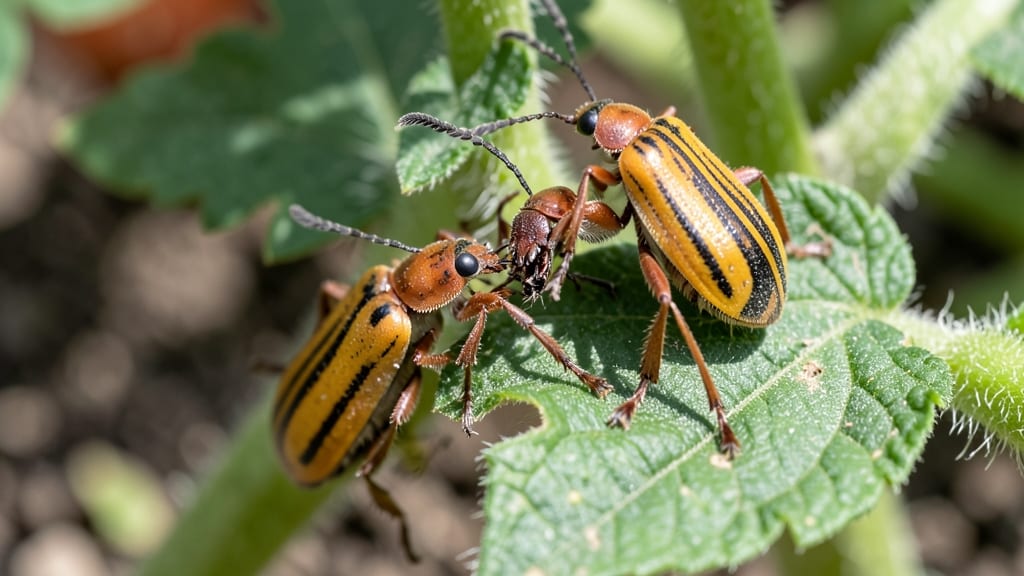
Your tomato plants are under siege—and those ragged leaves mean the insects eating tomato plant leaves have already started their attack. 🌱 I’ve watched hornworms strip entire plants bare in just days, and aphids turn lush foliage into sticky, curled messes.
The good news? A fast-acting organic spray can turn the tide before your plants throw in the towel.
The damage isn’t just cosmetic—it weakens vines, stunts growth, and leaves fruit vulnerable to sunburn or disease. But the fix doesn’t require harsh chemicals. Neem oil, insecticidal soap, and homemade garlic sprays work within 24-48 hours when applied correctly. The key is acting before the pests take over.
By the end of this, you’ll spot early signs of trouble (like skeletonized leaves or honeydew drips) and know exactly which spray to grab. Your plants will bounce back stronger, and you’ll save that $50 worth of tomatoes from becoming next year’s compost.
Works for greenhouses, containers, or in-ground gardens—no matter how bad the infestation looks. Let’s get those leaves back in business.
Root Causes Of Leaf Damage
When you spot insects munching on your tomato plant leaves, it’s rarely just bad luck—it’s usually a mix of environmental factors, plant health, and pest behavior. Understanding these triggers helps you tackle the problem at its source. Here’s why your tomato plants might be under siege:
A healthy tomato plant naturally repels many pests through strong foliage, bitter-tasting leaves, or even natural predators like ladybugs. But when plants are stressed, they become easier targets. Here’s what weakens their defenses:
- Poor Nutrition: Low nitrogen or potassium levels make leaves softer and more palatable. Think of it like a buffet sign for hungry insects. A quick soil test can reveal deficiencies.
- Overwatering or Drought: Both extremes disrupt root growth. Overwatering causes root rot, while drought stresses plants, making them release sugars that attract pests like aphids.
- Transplant Shock: Newly planted tomatoes take 2–3 weeks to recover. During this time, they’re vulnerable to attacks from chewing insects like hornworms.
- Disease Pressure: Fungal infections (e.g., early blight) or viral diseases weaken leaves, making them easier for insects to penetrate. Look for yellowing, spots, or stunted growth.
💡 Pro Tip: Boost plant resilience by side-dressing with compost or using a balanced organic fertilizer (10-10-10) every 3–4 weeks.
Insects don’t just appear out of nowhere—they multiply rapidly when conditions are ideal. Here’s what fuels their growth:
| Pest | Trigger | Signs |
|---|---|---|
| Aphids | Warm, humid weather + tender new growth (they reproduce asexually, doubling in days). | Sticky honeydew, curled leaves, black sooty mold. |
| Hornworms | Night-blooming flowers (they’re drawn to tomato scent) + lack of natural predators (e.g., parasitic wasps). | Large green caterpillars with white stripes, skeletonized leaves. |
| Whiteflies | Dry, dusty conditions (they thrive in heat and low humidity). | White, flying insects when disturbed; yellowing leaves. |
| Flea Beetles | Hot, dry soil (they jump onto plants from cracked earth). | Tiny holes in leaves, especially on young seedlings. |
🔥 Key Insight: Pests often strike in waves. Monitor your plants daily—early detection is your best defense against outbreaks.
Your garden’s layout and care routines can unintentionally invite pests. Here’s how:
- Monoculture Planting: Growing only tomatoes in one area creates a pest buffet. Insects find food and shelter easily. Solution: Interplant with basil, marigolds, or nasturtiums to disrupt their life cycle.
- Overhead Watering: Damp leaves attract fungal-loving pests like slugs and snails. Fix: Water at the base in the morning to let foliage dry quickly.
- Lack Of Beneficial Insects: Gardens without diversity miss out on natural predators. Example: Ladybugs eat aphids, but they need pollen-rich flowers (like dill or fennel) to survive.
- Mulch Buildup: Thick organic mulch can harbor eggs or pests like cutworms. Tip: Keep mulch 2–3 inches away from stems to reduce hiding spots.
✨ Organic Hack: Install a bee bath or plant nepetta cataria (catnip) to attract predatory wasps—nature’s pest control!
By addressing these root causes, you’re not just treating symptoms—you’re building a garden that’s less appealing to pests and more resilient to attacks. Next, we’ll dive into fast-acting organic sprays to stop the damage in its tracks.
Quick Fixes for Chewed Tomato Leaves
When insects start munching on your tomato plant leaves, acting fast is key to saving your harvest. Below, we’ve mapped out targeted solutions for the most common culprits—from aphids to hornworms—along with preventive tips to keep your plants healthy long-term.
Signs: Sticky residue (honeydew), curled leaves, or fine webbing on undersides.
🔥 Immediate Action (Same-Day Fix)
- Blast them off 💦: Use a strong stream of water from your hose to dislodge aphids. Repeat every 2–3 days until gone.
- Neem oil spray 🌿: Mix 1 tbsp neem oil + 1 tsp mild soap + 1 quart water.
Spray early morning or evening (avoid direct sun). Reapply every 5–7 days. - Introduce predators 🐞: Ladybugs and lacewings love aphids. Buy them online or attract them with dill or fennel plants nearby.
🛡️ Prevention for Next Season
- Reflective mulch 🌈: Cover soil with aluminum foil or silver plastic mulch—it confuses mites and reduces egg-laying.
- Companion planting 🌱: Grow garlic, onions, or chives nearby—their scent repels aphids.
- Regular pruning ✂️: Remove heavily infested leaves before they spread.
Signs: Large green caterpillars (3–4 inches), skeletonized leaves, and black droppings on foliage.
🍳 Fast Removal (No Chemicals Needed)
- Handpick them 👨🍳: Wear gloves and pluck them off (drop them in soapy water). Check both sides of leaves—they’re masters of camouflage!
- Bacillus thuringiensis (Bt) spray 💊: A natural bacteria that kills caterpillars without harming bees.
Spray every 3–5 days until worms disappear. - Chicken or duck patrol 🐔: If you have poultry, let them free-range near tomato plants—they’ll gobble up hornworms in minutes.
🎯 Long-Term Defense
- Plant basil nearby 🌿: Hornworms hate the smell—it disrupts their feeding.
- Yellow sticky traps 🎨: Hang them near plants to catch adult moths before they lay eggs.
- Crop rotation 🔄: Avoid planting tomatoes in the same spot two years in a row (moths remember!).
Signs: Ragged, chewed leaves, yellow-orange larvae, and adult beetles hiding under foliage.
⏰ Rapid Response (Before They Strip Your Plant)
- Diatomaceous earth (DE) dust 🏖️: Sprinkle food-grade DE on leaves and soil. It dries out their exoskeletons—reapply after rain.
- Kaolin clay spray 🎨: Mix 1 tbsp kaolin clay + 1 tsp soap + 1 quart water.
Creates a protective film that deters beetles. - Row covers 🛡️: Use floating fabric over young plants to block adults from laying eggs.
🌡️ Prevention Tips
- Remove egg clusters 🔍: Check undersides of leaves for orange egg masses—scrub them off with a stiff brush.
- Interplant with radishes 🥕: Beetles prefer tomatoes, but radishes confuse them.
- Till soil in fall 🕳️: Destroy overwintering pupae before spring planting.
Need a one-size-fits-most solution? Try this safe, effective spray:
Ingredients
How to Use
1 tbsp castile soap (or insecticidal soap)
Mix with 1 quart water. Spray directly on pests (avoid flowers to protect pollinators).
1 tsp garlic or chili powder (optional)
Add for extra repellent power. Reapply every 3–5 days.
1 tbsp apple cider vinegar (for fungus gnats)
Use as a soil drench to deter pests from laying eggs.
- 💡 Check leaves daily—early detection = easier fixes!
- 🌡️ Water in the morning—wet leaves dry faster, reducing fungal issues from honeydew.
- 🎯 Rotate sprays—pests build resistance, so switch methods every few weeks.
- 🌱 Keep plants healthy—stressed tomatoes attract more pests. Fertilize with compost and prune for airflow.
Remember: The key is speed + consistency. Most pests can be eliminated in 7–10 days with the right approach. Happy gardening! 🍅🌱
Frequently asked questions
What are the first signs that insects are eating my tomato leaves?
Look for tiny holes, chewed edges, or skeletonized patterns on leaves—these are classic signs of beetles or caterpillars. Aphids leave sticky honeydew residue, while hornworms create large, irregular holes. Check leaf undersides daily for eggs or larvae hiding there.
Can I still save my tomato plants if most leaves are already eaten?
Yes! Remove heavily damaged leaves to redirect energy to new growth. Focus on protecting remaining foliage with neem oil or insecticidal soap. For severe cases, use row covers to block new pests while plants recover—just ensure they get enough sunlight for photosynthesis.
How often should I apply organic sprays to prevent reinfestation?
For most pests, apply organic sprays every 5-7 days during active growing seasons. Rotate between neem oil, insecticidal soap, and garlic sprays to prevent resistance. Always spray in the early morning or evening to avoid harming beneficial insects like bees.
Will removing tomato leaves help my plants recover faster?
Pruning damaged leaves reduces stress on the plant and prevents pests from spreading. Focus on removing only the most affected leaves while leaving healthy foliage intact. This encourages new growth and helps the plant redirect energy toward fruit production.
Are there any natural predators I can introduce to control these pests?
Yes! Ladybugs, lacewings, and parasitic wasps are excellent natural predators. Plant dill, fennel, or marigolds nearby to attract them. You can also purchase beneficial insects online—just release them in the evening when they're most active and avoid using pesticides for at least 24 hours.