
Planting
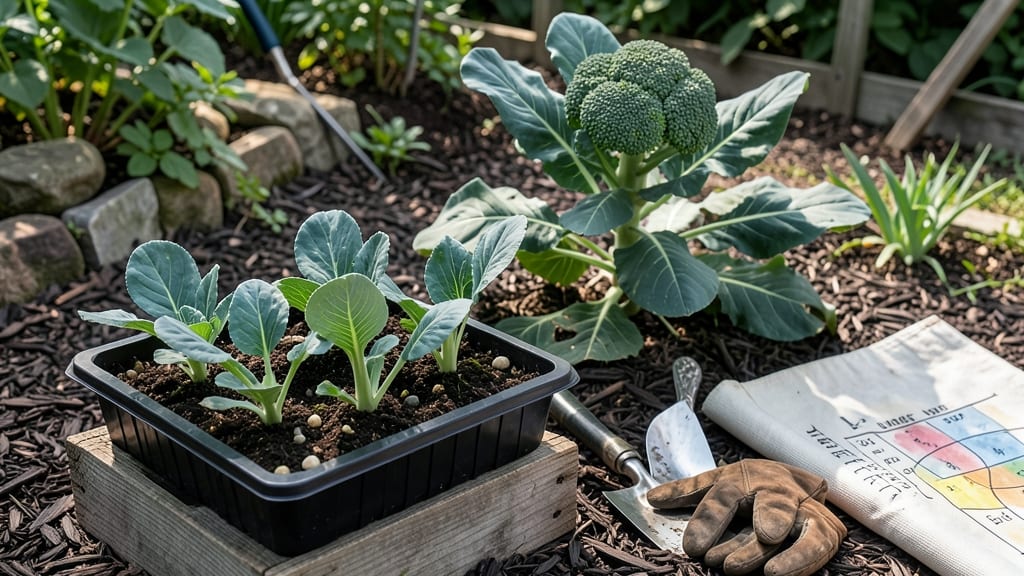
Planting broccoli too late can still yield a harvest if you act fast and choose the right varieties 🥦 — the key is working with your local frost dates and fast-maturing types.
If you’ve been eyeing your garden and wondering whether those broccoli seeds can still thrive this fall, you’re not alone. Many gardeners face this dilemma as summer winds down, but with the right timing and care, late-season broccoli can still deliver a bountiful harvest.
Broccoli thrives in cooler weather, making late summer or early fall the ideal window for a second planting. In USDA Zone 6a, aim to plant by early September to ensure heads mature before the first frost hits around October 30.
The trick is selecting varieties that mature in 50-60 days, giving them just enough time to grow before winter sets in.
Below, I’ll walk you through the last-minute strategies to extend your broccoli’s growing season, from soil prep to frost protection, so you can still enjoy homegrown greens well into fall.
When is the absolute last date to plant broccoli for fall harvest?
Determining the last safe date to plant broccoli for a fall harvest depends on your USDA hardiness zone and the days to maturity of your chosen variety. As a cool-season crop, broccoli thrives when temperatures drop below 80°F, making late summer the ideal window.
For most regions, this means planting 90-120 days before the first frost—typically between mid-August and early September.
In Zone 5, where the first frost often hits by October 15, your last planting window would be around July 15-August 1. Meanwhile, gardeners in Zone 8 can push it later, aiming for September 1-15 since frost arrives much later.
Always check your local frost date averages for precision.
Using the USDA Plant Hardiness Zone Map, subtract your variety’s maturity days from your first frost date. For example, if your frost date is October 30 and you’re growing 'De Cicco' (60 days to harvest), plant by August 30.
This calculation ensures your broccoli matures before winter sets in.
Cold-hardy varieties like 'Waltham 29' or 'Calabrese' can tolerate light frosts, but prolonged cold (20°F or below) will damage even the hardiest plants. If you’re pushing the limits, opt for fast-maturing varieties (50-60 days) to maximize your chances of success.
| USDA Zone | Last Planting Window | First Frost Date | Recommended Variety |
|---|---|---|---|
| 3-4 | July 1-15 | October 1-15 | 'Green Goliath' (60 days) |
| 5-6 | July 15-August 1 | October 15-30 | 'Waltham 29' (60 days) |
| 7-8 | August 15-September 1 | November 1-15 | 'De Cicco' (55 days) |
| 9-10 | September 1-15 | December 1 | 'Calabrese' (70 days) |
*Adjust planting dates based on your local frost data and variety maturity.
If you’re just outside the ideal window, consider starting broccoli indoors under grow lights 4-6 weeks before your target transplant date. This buys you extra time to establish strong seedlings before transferring them to the garden.
For container gardeners, 5-gallon pots work well for late-season broccoli, allowing you to move them to sheltered spots if frost threatens.
Watch for bolting—when broccoli prematurely flowers due to heat stress. If temperatures rise above 85°F after planting, use shade cloth (30-50% coverage) to protect seedlings. Mulching with straw or wood chips also helps regulate soil temperature and retain moisture, critical for late-season success.
Even if you miss the ideal window, don’t give up! Broccoli microgreens can be harvested in just 10-14 days, making them a quick alternative. Simply sow seeds densely in trays and harvest the tender greens before they form full heads.
This lets you enjoy broccoli well into fall, even if the main crop doesn’t fully mature.
Protect your plants from frost damage by covering them with row covers or old bedsheets when temperatures drop below 28°F. Remove covers during the day to allow sunlight. With these strategies, you can extend your broccoli harvest well past the traditional last planting date.
5 Proven strategies to grow broccoli late in the season
Don’t let the calendar fool you—late-season broccoli thrives with the right approach. Even when summer lingers, cool-loving broccoli can still produce healthy heads if you adjust your strategy. The key lies in soil prep, light management, and smart watering to outsmart heat stress and pests.
I’ve grown broccoli as late as early October in my Zone 6 garden, and with these tactics, you can too.
Your first move should be soil enrichment—broccoli craves nutrient-rich, well-draining soil. Amend your beds with compost or a balanced fertilizer (10-10-10) to give plants a strong late-season boost. Since broccoli is heavy-feeder, side-dress with compost every 3-4 weeks to prevent nutrient deficiencies like yellowing leaves or stunted growth.
Test your soil’s pH—aim for 6.0-7.0—to ensure optimal uptake of nitrogen, phosphorus, and potassium.
One of the biggest mistakes I’ve seen gardeners make is over-fertilizing late in the season. While broccoli needs nutrients, too much nitrogen late in the game can lead to excessive leafy growth at the expense of head formation.
Instead, switch to a low-nitrogen fertilizer (like 5-10-10) 4-6 weeks before your expected harvest to encourage head development rather than foliage.
If your garden is still too warm, consider container growing for broccoli. Pots give you mobility—move them to a shadier spot or even indoors near a south-facing window if nighttime temps drop below 50°F.
Just ensure containers have drainage holes and use a lightweight potting mix to prevent root stress. This method lets you extend the season by 3-4 weeks compared to in-ground planting.
Finally, don’t overlook harvest timing. Late-season broccoli matures faster in cooler weather, so check heads every 2-3 days. Use a sharp knife to cut the stem 1-2 inches below the head—this encourages side shoots to form, giving you a second harvest.
If frost threatens before heads fully develop, harvest the lower leaves for greens or cover plants with row fabric to buy another week of growth.