
Planting
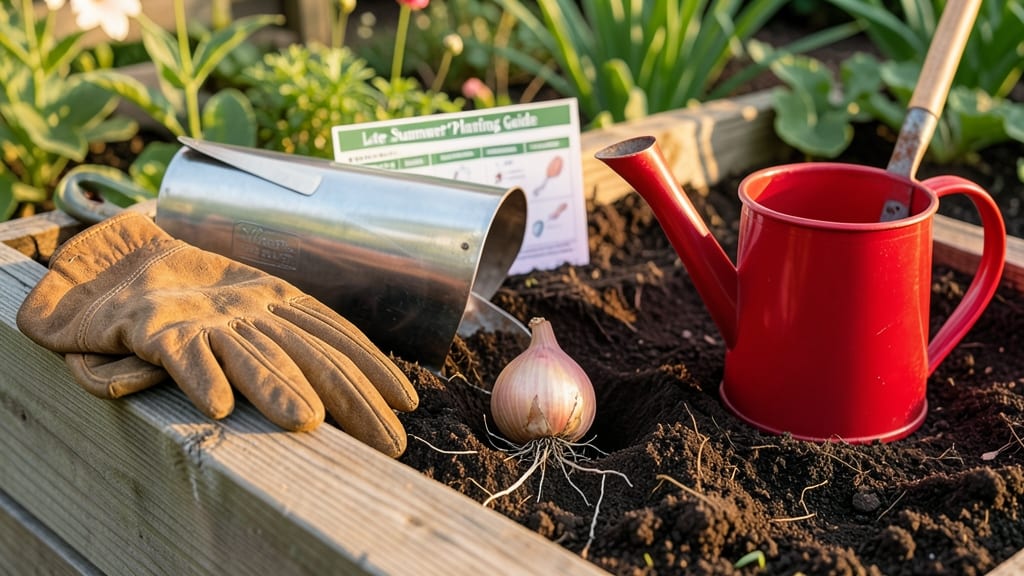
Planting lily bulbs in fall can still yield stunning 🌸 blooms next spring, but is it too late to plant them now? The timing depends entirely on your USDA zone.
If you’ve been admiring lily bulbs at the nursery but hesitated to plant them—don’t panic. Fall is actually the perfect time to plant lilies, but timing varies dramatically by USDA hardiness zone.
In zones 6a and cooler, aim to plant by mid-October so bulbs establish roots before winter. Warmer zones can push planting into November, but soil temperature matters more than the calendar.
Below, I’ll break down zone-specific deadlines, signs it’s too late, and alternative solutions like container planting or indoor forcing for late-season gardeners.
Fall planting deadlines for lily bulbs by USDA zone
Fall is the ideal time to plant lily bulbs because cooler temperatures encourage root growth before winter dormancy. However, missing your zone’s critical planting window can leave bulbs vulnerable to frost damage or poor establishment.
Each USDA zone has specific deadlines based on first frost dates and soil conditions. Let’s break down the exact timing for zones 3 through 11 so you can plant with confidence.
For most gardeners, the goal is to plant 4-6 weeks before the first frost. This gives bulbs enough time to develop roots while avoiding winter’s harsh conditions.
In colder zones (3-6), this means starting as early as late August, while warmer zones (8-11) can extend planting into November. Soil temperature also plays a role—ideal conditions are below 60°F (15°C)—so check local forecasts to avoid rushing.
Here’s your zone-by-zone planting deadline to ensure lily bulbs thrive next spring:
| USDA Zone | Planting Window | Deadline | Notes |
|---|---|---|---|
| Zones 3-4 | Late August - Early September | Mid-September | Early frost risk; mulch heavily after planting. |
| Zones 5-6 | Mid-September - Early October | Late October | Avoid planting if soil temps drop below 50°F. |
| Zones 7-8 | October - Early November | Mid-November | Warmer soils allow later planting; monitor rain. |
| Zones 9-11 | November - Early December | December 15 | No frost; plant until soil cools below 60°F. |
If you’re in zones 9-11, you might think you have more flexibility, but don’t wait too long.
Even warm climates benefit from planting before December 15, as soil temperatures drop and growth slows. Asiatic lilies and Oriental lilies are particularly sensitive to late planting, so prioritize them earlier in the season.
Frost is the biggest enemy of late-season lily planting. If your zone experiences light frosts (below 32°F/0°C), bulbs planted too close to winter may not survive. In zones 5-6, for example, planting after October 20 risks frost damage before roots establish.
Always check your local frost date and adjust accordingly—some years, early cold snaps can shift deadlines by weeks.
For gardeners in transition zones (e.g., 7a vs. 7b), err on the side of caution.
If you’re unsure whether your area falls into 7a or 7b, plant by October 15 to cover both scenarios. Hybrid lilies, like Stargazer or Casa Blanca, are more forgiving but still need time to root before winter.
What if you’ve already missed your zone’s deadline? Don’t despair—spring planting is a viable backup. While fall is ideal, lilies can also be planted in early spring (as soon as soil is workable, typically March-April).
However, spring-planted bulbs may bloom 6-8 weeks later than their fall counterparts, so plan accordingly if you’re aiming for summer flowers.
Pro tip: If you’re planting in containers, extend your deadline by 2-3 weeks. Pots warm up faster in spring, giving bulbs a head start. Just ensure containers have drainage holes and use a well-draining potting mix to prevent rot.
This is especially useful for urban gardeners or those with limited ground space.
Finally, remember that soil preparation is just as critical as timing. Amend your soil with compost or aged manure before planting to improve drainage and fertility. Lilies prefer slightly acidic to neutral soil (pH 6.1-7.0), so test your soil if possible.
Proper prep ensures bulbs focus on root growth rather than struggling with poor conditions.
With these deadlines in mind, you’re ready to plant confidently—whether you’re a first-time gardener or a seasoned pro. Happy planting! 🌸
Signs it’s Actually Too Late to Plant Lily Bulbs (And What to Do Instead)
You might think you still have time to plant those lily bulbs you’ve been saving, but certain soil conditions and weather patterns can signal it’s already past the ideal window.
Even if your calendar says "fall," your local climate might be telling a different story. Let’s break down the red flags that mean it’s too late—and what to do instead.
First, check your soil temperature. Lily bulbs need the ground to cool below 60°F (15°C) before planting. If your soil thermometer reads warmer, roots won’t establish properly.
In USDA Zones 7-10, this often means the window closes by late October. Even in cooler zones, frost risk can arrive earlier than expected.
Another warning sign is consistent rain or waterlogged soil. Lily bulbs rot in soggy conditions, and late-season moisture can drown them before winter. If your area has had more than 2 inches of rain in the past week, planting now could be risky.
Pay attention to local weather forecasts for frost predictions—bulbs need 4-6 weeks to root before the first freeze.
⚠️ Too Late to Plant? Watch for These Signs
- Soil temp: Above 60°F (15°C)
- Frost date: Less than 4-6 weeks away
- Rainfall: 2+ inches in past week
- Bulb condition: Soft or shriveled
Action: Store bulbs in a cool, dry place (like a paper bag in the fridge) until spring. Or try container planting in a sunny spot.
If you’ve missed the fall window, don’t toss those bulbs! Store them in a cool, dry place (like a paper bag in the fridge) until spring. Lily bulbs can wait until April-May for planting, though they may bloom slightly later.
For tender varieties (like Asiatic lilies), spring planting is actually ideal in warmer zones.
Another workaround is container planting. Fill a pot with well-draining soil, plant the bulbs, and place them in a sunny spot. Containers warm up faster in spring, giving bulbs a head start.
Just ensure pots have drainage holes to prevent rot. This method works well for small gardens or urban spaces where ground planting isn’t possible.
For hardy lilies (like Trumpet or Oriental lilies), you might still have time if your zone is 3-6 and frost isn’t imminent. Focus on amending soil with compost and mulching heavily to protect roots.
But if your area is already seeing nighttime temps below 40°F (4°C), it’s safer to wait.
Remember, lilies are perennials, so they’ll reward your patience. Whether you store bulbs or plant in containers, next year’s blooms will be worth the wait. And if you’re unsure, check your local extension office for zone-specific advice—they know your microclimate best! 🌸