
Planting
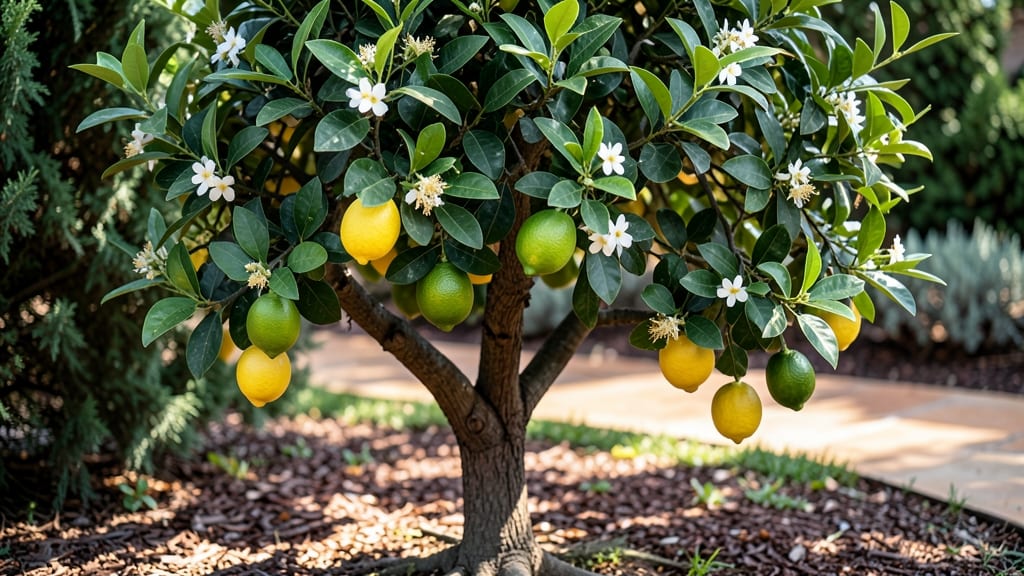
Lemon plants are toxic to cats because their citrus oils and limonene compounds can trigger drooling, vomiting, and lethargy when ingested. Every part of the plant—leaves, stems, and fruit—carries risks, though ripe fruit is less dangerous than raw plant material.
Cats are naturally curious, and the bright green leaves or sweet citrus scent of lemon plants can attract them—even though these plants contain compounds like limonene and citral that irritate their digestive systems. 🐱 The severity depends on how much your cat consumes, but even small amounts of leaves or stems can cause discomfort.
Ripe fruit is safer because the acidity drops during ripening, but unripe fruit and peels remain hazardous. If you suspect your cat has ingested lemon plant parts, contact your vet immediately for guidance.
This toxicity isn't just about the taste—citrus oils disrupt a cat's liver and kidneys over time, leading to more severe symptoms like weakness or difficulty breathing. The good news?
There are plenty of cat-safe alternatives like cat grass or Boston ferns that can satisfy your cat's urge to nibble while keeping your garden safe. Always supervise your pet around new plants, and consider placing lemon plants out of reach if you can't remove them entirely.
💡 In This Article
- Toxic Compounds in Lemon Plants and Their Effects on Cats
- Safe Cat-Friendly Alternatives to Lemon Plants for Your Garden
Toxic compounds in lemon plants and their effects on cats
The primary culprits in lemon plant toxicity are limonene and citral, two volatile citrus oils found in every part of the plant. Limonene, which makes up about 60-70% of lemon plant oils, is a terpene that acts as an irritant to a cat's gastrointestinal tract.
When ingested, it triggers excessive salivation and nausea by stimulating nerve endings in the mouth and stomach lining. Citral, another compound present in smaller amounts, has similar effects but also contributes to liver stress over time.
Cats are particularly vulnerable because their livers process toxins differently than humans. A cat's liver enzyme system, designed for a carnivorous diet, struggles to metabolize plant compounds like limonene efficiently. 🐾 The result? Even small amounts—like a single leaf—can cause vomiting within 6-12 hours of ingestion.
The severity depends on the plant part: leaves contain the highest concentration of oils, followed by stems, while ripe fruit has reduced toxicity due to lower oil content and increased water content. However, unripe fruit and peels remain dangerous due to their higher limonene concentration.
What makes this especially concerning is how cats are drawn to lemon plants. The bright green leaves and sweet citrus aroma—especially from crushed stems—can be irresistible to curious felines. The scent of limonene triggers their natural hunting instincts, making them more likely to chew or swallow plant material.
This is why many cats show initial interest before experiencing the unpleasant side effects like drooling or lethargy.
Beyond immediate digestive upset, chronic exposure to limonene can lead to more serious issues. Studies show that terpenes like limonene may cause oxidative stress in feline liver cells, potentially contributing to long-term damage with repeated exposure.
The kidneys can also be affected, as the body works to filter out these foreign compounds. 💡 This is why vets often recommend removing lemon plants from homes with cats, especially if your pet has shown interest in chewing plants before.
Symptoms typically appear within 6-24 hours after ingestion and may include:
- Mild cases: Excessive drooling, vomiting, or diarrhea (usually resolves within 24-48 hours)
- Moderate cases: Lethargy, loss of appetite, or pawing at the mouth (indicates oral irritation)
- Severe cases (rare but possible): Weakness, difficulty breathing, or yellowing of gums (signs of liver/kidney strain)
If you notice any of these symptoms, contact your veterinarian immediately. While most cases resolve with supportive care, early intervention can prevent complications.
The good news is that lemon plants aren't among the most toxic household plants—like lilies or sago palms—but their accessibility makes them a common culprit in accidental poisoning.