
Planting
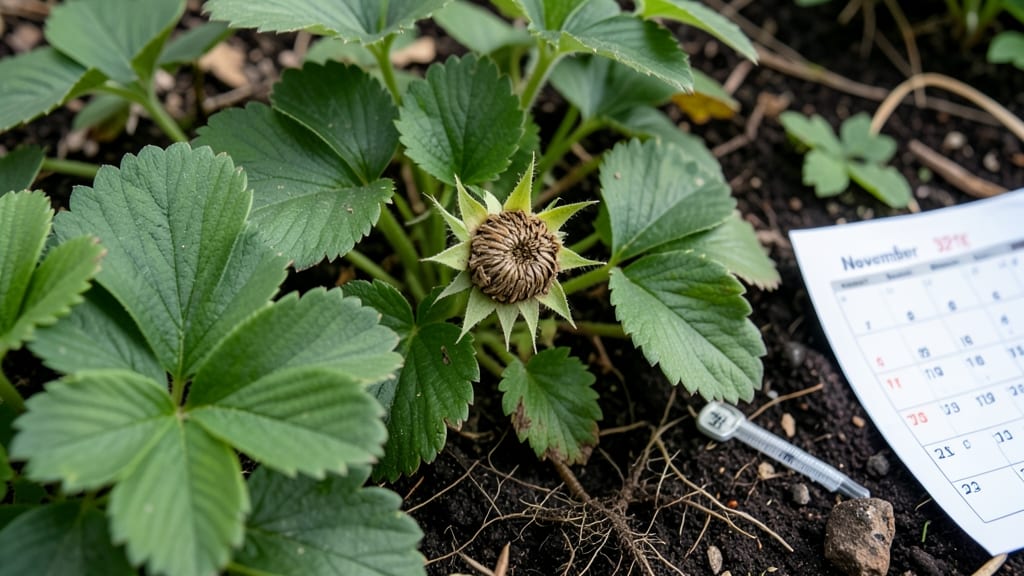
Your strawberry plant might just be taking a winter nap—here’s how to tell if it’s truly dead or simply dormant. 🌱 The difference between a struggling vine and a sleeping one comes down to three key signs: leaf color, stem condition, and root health, all of which change dramatically with the seasons.
Dormant plants look crispy but still hold life: stems turn brown and brittle, leaves shrivel like autumn leaves, and the crown (where leaves meet roots) stays firm. Dead plants, though, rot at the base, smell funky, or pull out easily with no resistance.
I’ve revived plenty of "dead" plants by checking these details before giving up.
If it’s dormant, protect it with a thick layer of mulch (3–4 inches) and wait until spring—new growth appears when soil warms to 50°F. For dead plants, dig up the roots to confirm: healthy roots are firm and white; mushy or black roots mean it’s gone.
Prevention starts now: choose cold-hardy varieties and winterize beds properly.
Don’t panic—strawberries are tough. Even if your plant looks gone now, next year’s harvest depends on how you handle this winter. Here’s your step-by-step checklist to diagnose and act.
Understanding Plant Dormancy Triggers
Strawberry plants often enter a state of dormancy that can mimic death, leaving gardeners puzzled. But why does this happen? The answer lies in the plant’s natural survival mechanisms, which are triggered by environmental cues.
Let’s break down the key reasons your strawberry plant might appear lifeless—even though it’s simply resting.
Strawberry plants are perennial, meaning they survive multiple growing seasons—but only if they adapt to cold. When temperatures drop below 50°F (10°C), they enter dormancy, a metabolic slowdown to conserve energy.
This process is regulated by photoperiodism (day length) and vernalization (exposure to cold), which signal the plant to pause growth.
- Short days + cold nights (common in fall/winter) trigger dormancy hormones like abscisic acid (ABA), which shuts down non-essential functions.
- Frost damage can further stress the plant, causing leaves to blacken or wilt—even if roots remain alive.
- Ever-bearing vs. June-bearing varieties differ in dormancy timing: Ever-bearing types may stay semi-dormant longer, while June-bearing varieties go fully dormant after fruiting.
Pro Tip: 🌡️ If your plant is dormant, cover it with mulch or straw (3–4 inches) to insulate roots and protect against extreme cold.
Dormancy isn’t just about cold—water availability plays a huge role. Strawberry plants reduce water uptake in winter to prevent root rot from soggy soil or freeze-thaw damage that cracks roots.
- Dry soil in winter can trick the plant into thinking it’s summer, delaying dormancy—but overwatering (especially when temps drop) can suffocate roots.
- Transpiration slows (plants lose less water through leaves), but if soil stays too wet, roots may rot before spring.
- Drought stress before winter can weaken the plant, making dormancy less effective.
Pro Tip: ✨ Stop watering 4–6 weeks before first frost to let the plant harden off naturally. In winter, only water if soil is bone-dry (test with a finger—if it’s dry 2 inches down, water lightly).
Strawberries are heavy feeders, and by late summer/fall, the soil may lack the nutrients needed to sustain growth. When reserves run low, the plant shifts focus to root and crown development—not leaves or fruit—preparing for dormancy.
- Nitrogen deficiency (common in fall) causes yellowing leaves, mimicking death.
The plant prioritizes carbohydrate storage in roots over foliage. - Phosphorus and potassium become critical for cold hardiness, but if soil tests are low, dormancy weakens the plant’s resilience. - Over-fertilizing in late summer can stimulate late growth, making the plant vulnerable to frost damage.
Pro Tip: 📊 Test soil in early fall—if phosphorus (P) or potassium (K) is low, apply a balanced fertilizer (10-10-10) before dormancy sets in. Avoid high-nitrogen fertilizers post-harvest.
Sometimes, what looks like dormancy is actually hidden damage from pests or pathogens that weakened the plant before winter.
- Gray mold (Botrytis cinerea) or powdery mildew can cause leaves to die back prematurely, making the plant appear dormant when it’s actually struggling.
- Root weevils or slugs may feed on roots in fall, starving the plant before it can fully harden off.
- Bacterial or fungal infections (like verticillium wilt) can kill tissue, but the plant may still show signs of life in roots or crowns.
Pro Tip: 🔍 Dig up a small section of the crown in late winter to check for:
- Firm, white roots (healthy).
- Mushy, dark roots (rot).
- Holes or chew marks (pests).
Not all strawberries handle dormancy the same way. June-bearing varieties (like 'Jewel' or 'Chandler') go fully dormant, while ever-bearing (like 'Seascape') and day-neutral types may stay semi-active.
- June-bearing: Require 6–8 weeks of cold (below 40°F/4°C) to break dormancy. If winters are mild, they may not flower well the next season. - Ever-bearing/day-neutral: More cold-tolerant but still slow growth in winter.
They may produce small leaves or runners even in dormancy. - Perennial vs. annual varieties: Some strawberries (like Alpine strawberries) are not true perennials and may die back more dramatically.
Pro Tip: 🌱 Know your variety! If you’re unsure, check seed packets or plant tags—some strawberries need chilling hours to rebloom.
Reviving Your Strawberry Plant
Is your strawberry plant looking lifeless? Don’t panic—it might just be dormant or struggling. With the right care, you can bring it back to life and enjoy a bountiful harvest. Below are practical, step-by-step solutions tailored to the most common causes of dormancy or decline.
Cause: Cold weather, lack of sunlight, or seasonal rest.
Fix It: 🔥 Step 1: Check for Signs of Life
- Gently tug on the leaves. If they’re still slightly flexible, the plant may be dormant.
- Look for green growth at the base—new leaves or runners are a good sign!
🍳 Step 2: Provide Warmth & Shelter
- Move potted plants to a sunny, sheltered spot (like a greenhouse or south-facing window).
- For in-ground plants, mulch heavily (4–6 inches of straw or leaves) to insulate roots.
👨🍳 Step 3: Wait & Observe
- Dormant plants need patience—they’ll wake up when temperatures rise (usually spring).
- Avoid pruning until new growth appears.
🌡️ Prevention Tip: In colder climates, cover plants with frost cloth before the first freeze.
Cause: Frost damage, root rot, or nutrient starvation.
Fix It: 🔪 Step 1: Trim the Obvious
- Cut back blackened, mushy, or shriveled leaves with clean scissors.
- Leave green stems—they may still produce new growth.
⏰ Step 2: Test for Root Health
- Gently dig around the base. Healthy roots are firm and white; rotted roots are brown/mushy.
- If roots are bad, repot in fresh soil or replant in a new spot.
💡 Step 3: Boost Recovery with Fertilizer
- Use a balanced fertilizer (10-10-10) or compost to revive weak plants.
- For potted plants, soak roots in water for 10 minutes before replanting.
✨ Prevention Tip: Improve drainage—raise beds or add sand to prevent root rot.
Cause: Severe frost, disease, or age.
Fix It: 🌱 Step 1: Start Fresh with Cuttings
- Take healthy stem cuttings (4–6 inches long) from any remaining green growth.
- Plant in moist potting mix and keep in a warm, bright spot.
📊 Step 2: Replace the Plant (If Needed)
- If the whole plant is gone, buy new bare-root strawberries in early spring.
- Choose everbearing or June-bearing varieties for your climate.
💪 Prevention Tip: Rotate planting locations every few years to prevent soil depletion.
Final Thought: Most strawberry plants are tougher than they look—give them time, the right conditions, and a little TLC, and they’ll bounce back! 🍓✨
Frequently asked questions
How can I tell if my strawberry plant is truly dead vs. just dormant?
Check the roots and crown—healthy dormant plants have firm, white roots and a slightly green base. Dead plants will pull out easily with no resistance, smell foul, or have mushy black roots. Look for green growth at the base in spring, which confirms dormancy.
Can I prune my strawberry plant in winter if it looks dead?
Wait until late winter or early spring before pruning. Cut back only the obviously dead foliage (blackened or mushy stems), leaving any green stems or buds intact. Pruning too early can remove potential new growth.
What should I do if my potted strawberry plant looks dormant but won't wake up?
Move it to a warmer, sunny spot (like a south-facing window) and reduce watering. If soil feels soggy, repot in fresh, well-draining mix. Most potted strawberries need 6–8 weeks of cold to break dormancy—be patient!
Will mulching help if my strawberry plant is already dormant?
Add 3–4 inches of straw or leaves around the base to insulate roots from freezing temperatures. This protects dormant plants from extreme cold and helps them survive until spring. Just avoid piling mulch against the crown.
Can I save a strawberry plant with mushy roots?
Trim away all mushy or black roots, then replant in fresh, sterile soil with improved drainage. Use a balanced fertilizer (10-10-10) to encourage recovery. If most roots are rotted, propagation from healthy stems may be your best option.