
Planting
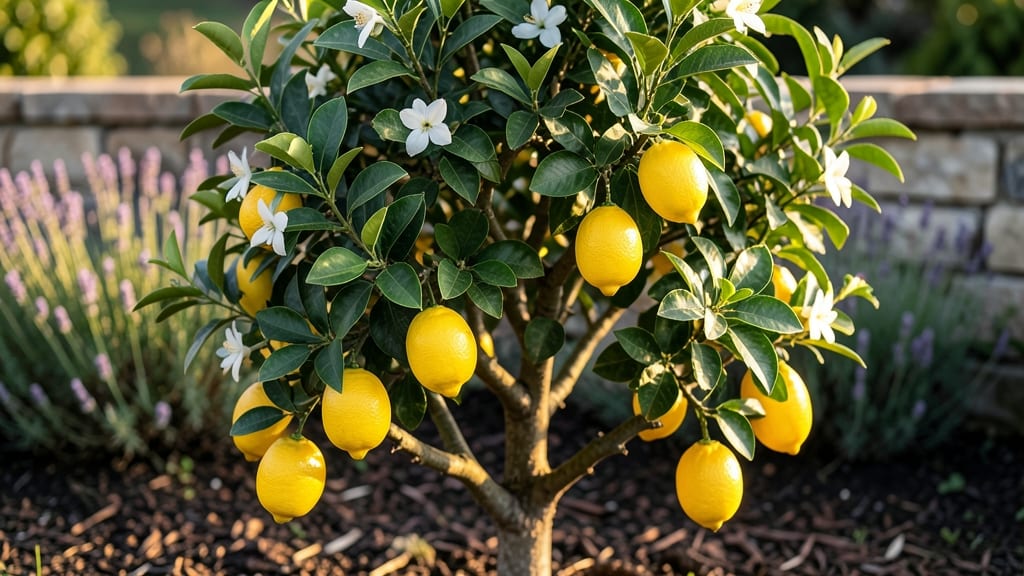
Growing an Italian lemon plant (Citrus × limon 'Meyer') brings sunshine to your home with fragrant leaves and sweet lemons—even in pots. 🌿 I learned the hard way that these plants need precise care, but once you nail the basics, they reward you with glossy foliage and fruit year after year.
The key isn’t just sunlight; it’s the balance of soil, water, and temperature that keeps them thriving indoors or on patios.
Start with well-draining potting mix (never garden soil) and a container with drainage holes—root rot is the silent killer of lemon plants. Place it where it gets 6-8 hours of sunlight daily, but protect it from harsh afternoon sun in hot climates.
Water when the top inch of soil feels dry, and always use room-temperature water to avoid shocking the roots. Fertilize lightly every 4-6 weeks during growing season with a citrus-specific formula.
Pruning isn’t just for shaping—it’s about airflow and energy. Trim back leggy growth in early spring to encourage bushier, more productive plants. Watch for pests like spider mites (tiny webs on leaves) or aphids (sticky residue), and treat them early with neem oil.
Yellowing leaves usually mean overwatering or poor drainage, while dropped fruit signals inconsistent care.
With patience, your plant will mature in 3-5 years, producing lemons that taste sweeter than store-bought. The trick is consistency—lemon plants forgive mistakes but never rush. Whether you’re growing it as a houseplant or outdoor accent, this guide covers every step to keep yours lush, fragrant, and productive.
📚 In This Guide
- What you need
- Instructions
- Tips and common mistakes
- Wrapping up and next steps
What you need
- ● Italian lemon plant: A healthy nursery-grown plant (6–12 inches tall) or a cutting from an existing plant.
- ● Well-draining potting mix: 5–10 gallons of a blend designed for citrus (e.g., 60% peat or coconut coir, 30% perlite, and 10% sand).
- ● Pot: A container with drainage holes, at least 12–16 inches in diameter (bigger pots for mature plants).
- ● Citrus fertilizer: A balanced, slow-release fertilizer (e.g., 6-6-6 or 8-3-9) or a liquid citrus-specific feed.
- ● Watering can: With a narrow spout for precise watering.
- ○ Mulch (optional but helpful): Pine bark or straw to retain moisture and regulate soil temperature.
- ● Trowel or small shovel: For planting and repotting.
- ● Pruning shears: Sharp, sterilized shears for trimming dead or overgrown branches.
- ● Gloves: To protect your hands from thorns and soil.
- ● Sunlight access: A south- or west-facing window (or a grow light for indoor setups).
- ○ Humidity tray (optional): A shallow tray with pebbles and water to boost humidity in dry climates.
- ● Spray bottle: For misting leaves if your home is very dry.
Step-by-step guide to growing a fragrant Italian lemon plant in pots
Here's how to cultivate this fragrant, evergreen beauty that brings zesty charm to containers.
🌱 Step 1: Select the Right Pot and Drainage
Choose a 12-14 inch diameter pot with drainage holes—Italian lemon plants (Citrus × limon 'Four Seasons') need room for roots and hate soggy feet. I use terra cotta because it breathes, but any container with drainage works. If your pot lacks holes, drill 2-3 extra near the bottom to prevent root rot.
Add a 2-inch layer of gravel or broken pottery at the bottom before soil. This creates an air pocket that keeps roots from sitting in water. The gravel also helps prevent the pot from becoming waterlogged during heavy watering. Skip this step, and your plant will struggle with fungal diseases.
🌿 Step 2: Prepare the Well-Draining Soil Mix
Italian lemon plants thrive in sandy, slightly acidic soil with a pH between 6.0 and 7.0. Mix 50% premium potting soil with 30% perlite or coarse sand and 20% compost for nutrients. Avoid garden soil—it compacts in pots and suffocates roots.
Fill the pot ¾ full with your mix, leaving room for the plant. Press down lightly to remove air pockets, but don’t compact it. The soil should feel like a damp sponge—firm enough to hold shape but still loose. Tap the pot gently on the table to settle the mix evenly.
☀️ Step 3: Plant and Position for Optimal Light
Remove the plant from its nursery pot and gently loosen the roots if they’re circling. Place it in the center of your container, ensuring the top of the root ball sits 1 inch below the pot’s rim. Fill in around the edges with soil, pressing lightly to eliminate gaps.
Italian lemon plants crave full sun (6-8 hours daily) but tolerate partial shade in hot climates. A south or west-facing spot is ideal. If you notice leaves yellowing or dropping, it’s a sign of too much sun—move it to a spot with morning sun and afternoon shade. For indoor growers, a south-facing window or grow light keeps it happy.
💧 Step 4: Water and Fertilize for Healthy Growth
Water deeply once a week, letting 1 inch of water drain out the bottom. Check moisture by sticking your finger 2 inches into the soil—if it’s dry, it’s time to water. Overwatering is the #1 killer of lemon plants, so always let the top 1-2 inches of soil dry out between waterings.
Feed with a balanced citrus fertilizer (10-10-10) every 4-6 weeks during spring and summer. In fall and winter, cut back to once every 8-10 weeks. Yellow leaves often mean over-fertilizing—rinse the soil with water if this happens. A slow-release fertilizer pellet in spring gives steady nutrients without risk.
✂️ Step 5: Prune and Maintain for Year-Round Fragrance
Prune in late winter or early spring to shape the plant and encourage bushier growth. Use clean, sharp pruning shears to trim back 1/3 of the new growth from the previous year. Remove any dead, diseased, or crossing branches first—they steal energy from healthy growth.
Pinch back the tips of new shoots in summer to promote branching. This keeps the plant compact and encourages more fragrant leaves. Harvest leaves as needed, but never take more than 1/3 of the plant at once. A well-maintained Italian lemon plant rewards you with lemon-scented leaves year-round—just rub one between your fingers to enjoy the aroma.
Tips & tricks for perfect Italian lemon plant care
Real talk: Growing a fragrant Italian lemon plant isn't rocket science, but these little details make all the difference between a struggling plant and a thriving, lemon-scented beauty.
Pot Selection Wisdom: While a 12-14 inch pot is ideal, don't overlook the material. Terra cotta may be my first choice because it breathes and helps regulate moisture, but glazed ceramic pots work too—just be prepared to water more frequently. The key is drainage: if your pot lacks holes, drill them yourself. I've seen too many plants suffer from root rot because someone skipped this crucial step.
Soil Mix Secrets: The 50-30-20 ratio of potting soil to perlite to compost is perfect, but here's what nobody tells you—your perlite should be coarse, not fine. Fine perlite compacts over time and defeats the purpose. Also, tap that pot gently on the table after filling it—this simple step eliminates air pockets that can suffocate roots. I learned this the hard way after watching a plant struggle for months.
Light Positioning: That 6-8 hours of full sun recommendation is non-negotiable, but here's the trick: if you're in a hot climate, morning sun with afternoon shade is actually better. Watch for leaves that start yellowing at the edges—that's your plant begging for relief from intense afternoon rays. And for indoor growers, a south-facing window might not be enough—consider supplementing with a grow light for 4-6 hours daily during winter months.
Watering Strategy: The "once a week" guideline is a starting point, not a rule. Stick your finger 2 inches into the soil—if it's dry, water deeply until you see that 1 inch drain out the bottom. The top 1-2 inches should dry out between waterings, but don't let the soil become bone dry. I've seen plants recover from overwatering, but under-watered plants often don't make it back.
Pro Tips for Italian Lemon Plant
- Real talk: Growing a fragrant Italian lemon plant isn't rocket science, but these little details make all the difference between a struggling plant and a thriving, lemon-scented beauty.
- Pot Selection Wisdom: While a 12-14 inch pot is ideal, don't overlook the material.
- Soil Mix Secrets: The 50-30-20 ratio of potting soil to perlite to compost is perfect, but here's what nobody tells you—your perlite should be coarse, not fine.
Frequently asked questions
Got questions about growing your own Italian lemon plant? You’re not alone!
Here are some of the most common queries—plus quick, practical answers to keep your fragrant perennial thriving in pots.
How fast does an Italian lemon plant grow in a pot?
Italian lemon plants (Citrus × aurantium) grow at a moderate pace—expect 6 to 12 inches per year in ideal conditions. Potted plants may grow slightly slower than those in the ground, but with full sun (6+ hours/day), well-draining soil, and regular watering, you’ll see steady growth. Prune in late winter to encourage bushier, more manageable shapes!
Can Italian lemon plants survive winter in pots?
These tender perennials aren’t frost-hardy and need protection when temps drop below 20°F (-6°C). Move pots to a garage, shed, or indoor sunny spot (like a sunroom) before the first frost. If you can’t bring them inside, mulch heavily and wrap pots in bubble wrap or burlap for insulation. Resume outdoor care in spring once nighttime temps stay above 40°F (4°C).
Why are the leaves on my Italian lemon plant turning yellow?
Yellow leaves usually signal overwatering, underwatering, or nutrient deficiencies. Check the soil—it should be dry to the touch 1–2 inches down before watering. Brown edges? Likely underwatering or low humidity. Yellow patches? Overwatering or fungal issues (reduce water and improve drainage). Feed with a citrus-specific fertilizer every 2–3 months to prevent nutrient burnout.
Will my Italian lemon plant produce edible lemons?
Yes! While the fruit is smaller and more tart than true lemons, Italian lemon plants yield delicious, fragrant lemons perfect for preserves, limoncello, or garnishes. Pollination is key: Hand-pollinate flowers with a soft brush, or plant a second lemon variety nearby. Fruit takes 9–12 months to ripen, so patience is key—reward yourself with homegrown zest!
What’s a good alternative if I can’t grow Italian lemon plants?
If your climate is too harsh or you’re short on space, try these low-maintenance citrus alternatives:
- Meyer lemon: Hardier, sweeter fruit, and more cold-tolerant (down to 20°F/-6°C briefly).
- Calamondin orange: Dwarf size, fragrant flowers, and edible (but very tart) fruit.
- Lemon verbena: Non-citrus but lemon-scented leaves—great for teas and cocktails!
- Dwarf orange trees: ‘Calamansi’ or ‘Improved Meyer’ thrive in pots and yield fruit.
All love sun, well-draining soil, and regular watering—just like Italian lemons!
Wrapping up and next steps
Growing an Italian lemon plant is a rewarding journey that brings fragrant blooms, zesty lemons, and a touch of Mediterranean charm to your space—whether in pots or gardens.
With the right care, sunlight, and a dash of patience, you’ll enjoy fresh lemons and stunning foliage year after year. Now’s your moment to start!
Ready to dive in? Pick your spot, gather your supplies, and plant with confidence. Your citrus-filled paradise awaits—just one seedling at a time! 🌱✨