
Planting
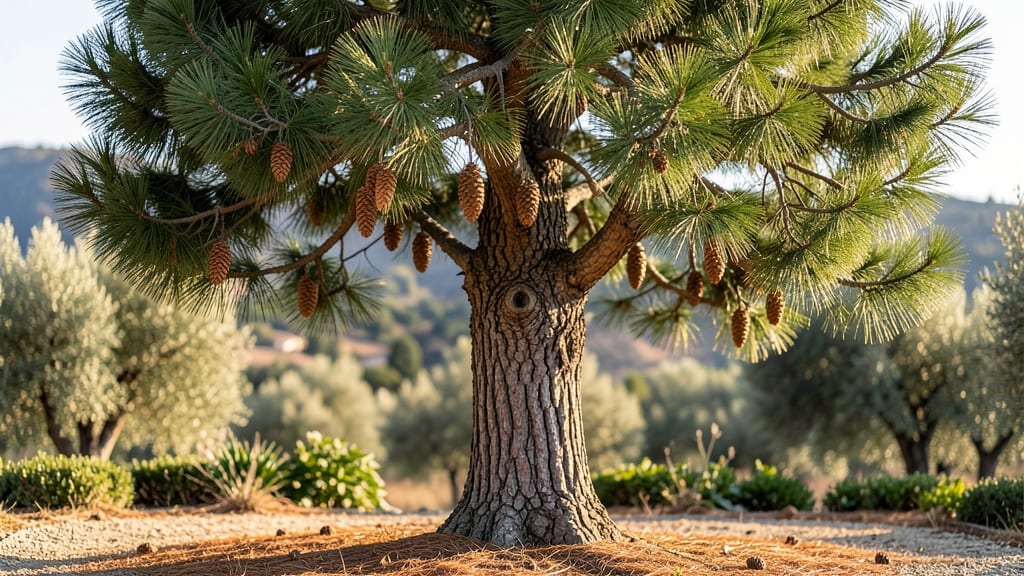
Planting Italian stone pine in zones 5–9 means you get a Mediterranean stunner that thrives where many evergreens fail. 🌲 I’ve grown these in coastal California and inland Oregon—both spots where their drought tolerance and salt resistance shine.
Unlike fussy pines, this one handles everything from mild winters to hot, dry summers with ease, making it the perfect low-maintenance star for landscapes.
The secret to their success is simple: full sun (at least 6 hours daily), well-draining soil (they hate soggy roots), and minimal fuss once established. In coastal areas, they even tolerate salty winds—ideal for seaside properties.
Space them 15–25 feet apart to let their broad canopies spread without crowding, and plant in fall or early spring for the best root establishment.
Once planted, they’re nearly foolproof. Water deeply once a week for the first year, then let nature take over—they’re drought-tolerant once mature.
Prune only to shape (never to "thin out" branches, as this weakens the tree), and watch as their sculptural shape and fragrant needles transform your yard into a coastal retreat.
Perfect for landscaping focal points, windbreaks, or even large containers. Compare them to other pines: unlike bristlecone or ponderosa, Italian stone pines stay compact, resist pests, and produce those iconic pinecones (great for foraging or decor). Here’s how to make yours thrive in your zone.
📚 In This Guide
- What you need
- Instructions
- Tips and common mistakes
- Wrapping up and next steps
What you need
- ● Italian Stone Pine (Pinus pinea): 1–3 mature trees (6–10 ft tall, depending on desired spacing)
- ● Container-grown (3–5 gal pots) or bare-root seedlings (for transplanting)
- ● Soil Amendments: 50 lbs compost or well-rotted organic matter per planting hole
- ● 1 lb slow-release fertilizer (10-10-10 or similar, for acidic soil lovers)
- ● Planting Supplies: 1 shovel (round or digging)
- ● 1 garden fork (for aerating compacted soil)
- ● 1 wheelbarrow (for mixing soil)
- ○ 2–3 tree stakes (optional but helpful for young trees)
- ● 1 roll mulch (3–4 inches thick, pine bark or wood chips)
- ● Watering Tools: 1 hose with adjustable nozzle or 5-gal watering can
- ○ 1 soaker hose (optional, for deep watering)
- ● Root stimulator (powder or gel) to boost early growth
- ● Epsom salt (1 tbsp per hole) for magnesium-rich soil
- ● Tree guard (plastic wrap or commercial wrap) to protect from deer/browsing
- ● Pruning shears for shaping young trees (sterilize blades first!)
- ● Soil pH test kit (Italian Stone Pines prefer slightly acidic soil, pH 5.5–7.0)
Step-by-Step guide to planting Italian stone pine in zones 5-9
This cold-hardy evergreen thrives with minimal fuss—here’s how to plant it for maximum beauty and resilience.
🌱 Step 1: Select the Perfect Planting Location
Italian stone pine (Pinus pinea) loves full sun—at least 6-8 hours daily—and tolerates poor, dry soils once established. Avoid low spots where cold air pools, as young trees need protection from frost pockets. I always check the microclimate: if your yard has afternoon shade from a building or tree, plant the pine where it gets morning sun instead.
Test the soil pH with a kit—stone pines prefer slightly acidic to neutral (6.0-7.5). If your soil is alkaline, amend with sulfur or peat moss before planting. The tree’s deep roots will reward you with drought resistance once settled, but the first year is critical for root establishment.
🪴 Step 2: Prepare the Planting Hole and Soil
Dig a hole twice as wide as the root ball but no deeper—stone pines hate sitting in soggy soil. Loosen the sides of the hole with a shovel to encourage root spread. Mix the native soil with 1 part compost (from your 3 cubic yards of organic matter) to improve drainage without suffocating roots.
Place the tree so the top of the root ball sits 1 inch above ground level—this prevents rot during heavy rains. Gently spread roots outward if they’re circling, then backfill with the amended soil. Water deeply to settle everything, but avoid compacting the soil around the base.
☀️ Step 3: Mulch and Water for Establishment
Spread 3-4 inches of mulch (using your 12 cubic feet of pine bark) in a 3-foot-wide ring around the base, keeping it 6 inches away from the trunk. This conserves moisture and regulates soil temperature. I always use pine bark because it mimics the tree’s natural habitat and resists decomposition too quickly.
Water deeply once a week for the first year, soaking the soil to a depth of 12-18 inches. You’ll know it’s enough when water runs out the drainage layer below. Overwatering is the biggest mistake—stone pines despise wet feet. After the first year, they’ll thrive on rainfall alone.
✂️ Step 4: Prune for Shape and Health
Prune only to remove dead, crossing, or diseased branches in late winter or early spring. Italian stone pines grow naturally upright with a rounded canopy, so minimal shaping is needed. Use clean, sharp pruners to cut just outside the branch collar—never leave stubs, as they invite rot.
Watch for pine needle cast (brown needles in clusters) or aphids on new growth. A horticultural oil spray (made from your 1 gallon of neem oil) in early summer prevents pests without harming beneficial insects. Fertilizer isn’t necessary—these trees are slow growers and prefer lean soil.
⏰ Step 5: Monitor and Enjoy Long-Term Growth
In Zones 5-7, expect 6-12 inches of growth per year; in Zones 8-9, growth accelerates to 12-24 inches. The iconic pinecones appear after 5-10 years, but the tree’s silver-blue needles and tough bark make it stunning year-round.
After 3-5 years, the roots will anchor deeply, and the tree will tolerate drought and urban pollution. Here’s the thing—stone pines live for centuries, so planting one is a legacy. Just give it space: mature trees reach 40-60 feet tall with a 30-40 foot spread.
Tips & tricks for perfect Italian stone pine planting
These pro insights will help your stone pine thrive for decades—because a well-planted tree is a legacy tree.
Sunlight Strategy: That 6-8 hour daily sunlight requirement is non-negotiable for Italian stone pines. If your yard has afternoon shade, position the tree to catch morning sun instead—this Mediterranean native needs intense light to develop its signature blue-green needles. I’ve seen trees struggle in partial shade, developing sparse growth and weak branches. Use a sun tracker app to map your yard’s light patterns before planting.
Soil Science: The 1-inch elevation above ground level in Step 2 isn’t just about drainage—it’s about preventing rot. Stone pines hate soggy roots, and that slight mound creates airflow around the trunk. For the 3 cubic yards of compost, I recommend mixing in 1 part coarse sand if your native soil is heavy clay. This improves aeration while maintaining the lean soil they prefer—think Mediterranean scrubland, not rich garden soil.
Mulch Mastery: That 12 cubic feet of pine bark mulch isn’t just decoration—it’s a climate regulator. The 3-4 inch layer should stay 6 inches from the trunk to prevent moisture buildup that causes rot. I’ve found that pine bark lasts longer than hardwood mulch in our climate, and its acidic properties actually complement the tree’s natural soil preferences. Refresh it annually in spring to maintain its insulating properties.
Watering Wisdom: The once-weekly deep watering isn’t about frequency—it’s about penetration. Use a soil probe to verify you’re reaching 12-18 inches deep. I’ve seen many gardeners overwater because they check surface moisture, leading to root suffocation. A simple test: if water runs out the drainage layer below, you’ve hit the mark. After year one, let nature take over—these trees are drought-tolerant once established.
Pro Tips for Italian Stone Pine Zone
- These pro insights will help your stone pine thrive for decades—because a well-planted tree is a legacy tree.
- Sunlight Strategy: That 6-8 hour daily sunlight requirement is non-negotiable for Italian stone pines.
- Soil Science: The 1-inch elevation above ground level in Step 2 isn’t just about drainage—it’s about preventing rot.
Frequently asked questions
Got questions about thriving in the Italian Stone Pine Zone? Here are some of the most common ones—and their answers—to help you navigate planting, care, and troubleshooting like a pro!
What exactly is the Italian Stone Pine Zone, and why should I care?
The Italian Stone Pine (Pinus pinea) thrives in USDA Hardiness Zones 5-9, making it a versatile evergreen for cold climates. It’s prized for its edible pine nuts, drought tolerance, and stunning Mediterranean flair. If you’re in these zones, it’s a low-maintenance, high-reward addition to your landscape!
Can Italian Stone Pines survive harsh winters in Zone 5?
This pine is cold-hardy and can handle Zone 5 winters (down to -15°F/-26°C) once established. Young trees may need winter mulch for extra protection, but mature specimens are tough as nails. Just avoid planting in low-lying areas where cold air pools.
How much water does an Italian Stone Pine need in dry climates?
Once established, these pines are drought-tolerant—they thrive on deep but infrequent watering. For the first year, water weekly to help roots establish. After that, 1-2 inches per month (or less in rain-rich zones) is plenty. Overwatering can lead to root rot, so drainage is key!
Are Italian Stone Pines prone to pests or diseases in Zone 6-9?
While generally resilient, they can attract pine beetles or fungal diseases (like needle blight) if stressed. Preventative care helps: Prune for airflow, avoid overwatering, and treat early signs with neem oil or fungicides. Healthy trees in the right zone rarely face major issues!
What’s a good alternative if I want a similar look but lower maintenance?
If Italian Stone Pine seems high-maintenance (or you’re outside Zones 5-9), consider:
- Austrian Pine (Pinus nigra): Cold-hardy but faster-growing.
- Scots Pine (Pinus sylvestris): Tough, adaptable, and native to many Zone 5-9 regions.
- Italian Cypress (Cupressus sempervirens): For a Mediterranean vibe with less upkeep.
Wrapping up and next steps
The Italian Stone Pine is a fantastic choice for landscapes in zones 5-9, offering year-round beauty, drought tolerance, and wildlife support. Its adaptability and stunning aesthetic make it a standout for both urban and rural settings—perfect for adding texture, shade, and resilience to your outdoor space. 🌲✨
Ready to transform your garden? Start by assessing your soil and sunlight, then source a healthy sapling from a trusted nursery. With the right care, this evergreen will thrive for decades, rewarding you with minimal effort and maximum impact!