
Planting
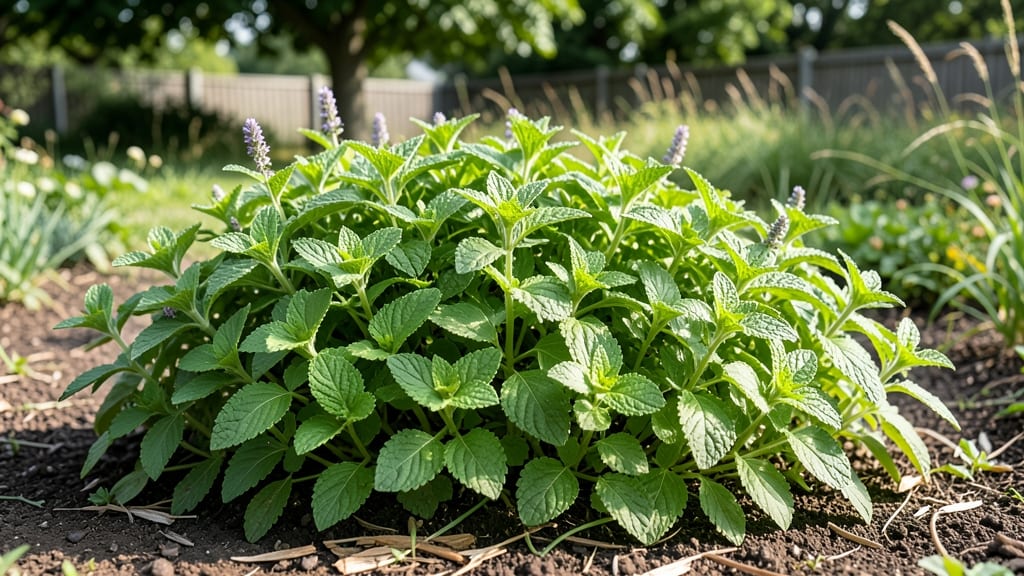
Growing the Japanese peppermint plant means waking up to a garden that smells like a crisp mountain breeze. 🌿 This hardy perennial thrives in containers, spreading its silvery-green leaves and tiny purple flowers with minimal fuss—once you know its secrets.
Unlike its invasive cousins, this mint stays tidy when properly contained, making it perfect for patios, balconies, or even kitchen windowsills.
The real magic happens in well-draining soil mixed with compost (think 60% potting mix, 40% organic matter) and a spot with 4-6 hours of morning sun. Overwatering is its kryptonite—let the top inch dry between waterings, and you’ll avoid the moldy stems that kill so many mint plants.
Most gardeners skip this step and end up with leggy, sparse growth, but consistent moisture (not soggy soil) keeps it lush and fragrant.
By midsummer, you’ll be harvesting leaves for tea, garnishes, or natural remedies—the scent alone reduces stress. Prune after flowering to encourage bushier growth, and divide the roots every 2-3 years to keep it vigorous.
Even in hot climates, this mint handles heat better than spearmint, making it a reliable choice for containers.
Fair warning: it spreads aggressively if left unchecked, but a 10-12 inch pot with drainage holes keeps it in line. The first harvest comes in 6-8 weeks, and with proper care, it produces all season. Now, let’s get those roots growing!
📚 In This Guide
- What you need
- Instructions
- Tips and common mistakes
- Wrapping up and next steps
What you need
- ● Japanese peppermint seeds or starter plants: 3–5 seeds (if starting from scratch) or 1–2 nursery-grown plants (for faster results). Pro tip: Look for Mentha canadensis or Mentha × piperita 'Mitcham' varieties.
- ○ Containers (if growing in pots): 1–2 large containers (12–18 inches deep) with drainage holes. Optional: Self-watering pots for low-maintenance care.
- ● Well-draining potting mix: 2–3 bags of high-quality, peat-free mix (e.g., Miracle-Gro Potting Soil or FoxFarm Ocean Forest). Mix in: 20% perlite or vermiculite for aeration.
- ● Organic compost: 1–2 cups per container to enrich soil nutrients.
- ● Slow-release fertilizer: 1 packet (e.g., Osmocote Smart-Release) or liquid fertilizer (e.g., Fish emulsion).
- ● Garden trowel or small shovel for transplanting.
- ● Watering can or hose with a gentle spray nozzle (avoid overwatering!).
- ● Pruning shears (for trimming and shaping).
- ○ Gloves (optional, but handy for handling stems).
- ○ pH testing kit (optional, to check soil acidity—ideal range: 6.0–7.0).
- ● Sunlight: 4–6 hours of partial shade (morning sun + afternoon shade). ⚠️ Avoid harsh afternoon rays in hot climates!
- ● Water source: Consistent moisture (but not soggy soil).
- ● Space: 18–24 inches between plants (if not container-grown).
- ● Patience: Japanese peppermint grows aggressively—contain it early to prevent spreading!
Step-by-step guide to growing Japanese peppermint in containers
This fragrant perennial thrives in containers with the right care—here’s how to cultivate it successfully.
🪴 Step 1: Select and Prepare the Container
Japanese peppermint needs a 12-16 inch deep pot with drainage holes—shallow containers stunt root growth. I use terra cotta because it breathes and prevents root rot, which this moisture-loving plant is prone to. Line the bottom with 2-3 inches of gravel to ensure excess water drains freely.
Fill the pot with high-quality potting mix blended with 30% perlite for aeration. Avoid garden soil—it compacts too easily in containers. Moisten the mix until it feels like a damp sponge, but not soggy. The right moisture level ensures roots establish quickly without drowning.
🌱 Step 2: Plant and Position for Optimal Growth
Plant 4-6 inch tall nursery starts (or divide an established plant) in early spring after the last frost. Dig a hole twice as wide as the root ball but no deeper—burying too far encourages rot. Gently firm the soil around the roots to eliminate air pockets, then water deeply to settle everything.
Place the container in partial shade to full sun (6+ hours of light daily). Japanese peppermint tolerates shade better than spearmint, but too little sun weakens its signature aroma. If your patio faces north, supplement with a grow light for 4-6 hours daily. Watch for leaves losing their vibrant green—this signals insufficient light.
💧 Step 3: Water and Fertilize for Lush Growth
Keep the soil consistently moist—never soggy. Water when the top 1-2 inches feel dry, which is usually every 2-3 days in summer. Overwatering is the fastest way to kill this plant, so check drainage holes regularly for standing water. A self-watering pot with a moisture meter helps maintain the right balance.
Fertilize every 4-6 weeks with a balanced liquid fertilizer (10-10-10) diluted to half strength. Stop feeding in late summer to encourage root hardening before winter. Yellowing leaves often mean over-fertilizing—rinse the soil with water to flush out excess salts if this happens.
✂️ Step 4: Prune and Maintain for Year-Round Fragrance
Pinch back new growth by ⅓ in early summer to encourage bushier plants. Regular pruning prevents legginess and keeps the plant compact in containers. Harvest leaves anytime by snipping stems just above a leaf node—this stimulates more growth. Use fresh leaves in teas or garnishes for their minty, slightly citrusy aroma.
In fall, trim back one-third of the plant to prepare for dormancy. Move containers to a protected spot (like a garage or under eaves) where temperatures stay above 20°F. Mulch with 2 inches of straw to insulate roots. In spring, divide crowded plants every 2-3 years to rejuvenate growth—dig up the root ball, separate sections, and replant.
⏰ Step 5: Overwinter and Plan for Next Season
After the first hard frost, cut back stems to 2-3 inches above the soil. Reduce watering to keep the soil barely moist—overwatering in winter invites rot. Cover the pot with burlap if temperatures dip below 10°F to protect tender new growth in early spring.
In late winter, repot if roots are circling the container. Refresh the soil with new potting mix and a slow-release fertilizer. Japanese peppermint spreads aggressively—if left unchecked, it can overtake smaller containers. Dividing in early spring also prevents the plant from becoming root-bound, which weakens its vigor.
Tips & tricks for growing fragrant Japanese peppermint in containers
Here's what nobody tells you about keeping this aromatic plant thriving year after year.
Container Material Matters: While terra cotta is ideal, plastic pots retain more moisture which can lead to root rot. If using plastic, add an extra inch of gravel at the bottom and monitor soil moisture more frequently. The 12-16 inch depth requirement is critical—shallower pots restrict root growth, leading to weaker plants that produce less fragrance. I've seen Japanese peppermint plants double in size when given proper container depth.
Lighting Secret: The 6+ hours of light daily recommendation is non-negotiable for that signature minty-citrus aroma. If your space only gets morning sun, supplement with a grow light for 4-6 hours in the evening. I've noticed the leaves lose their vibrant green when light drops below this threshold—it's the plant's way of telling you it's hungry for more photons.
Watering Wisdom: The "consistently moist" guideline is about balance—think of a wrung-out sponge. Overwatering is the silent killer, but letting the soil dry completely between waterings stresses the plant. I've found using a self-watering pot with a moisture meter eliminates guesswork. When the top 1-2 inches feel dry, that's your cue to water, but never let water pool in the drainage holes for more than 10 minutes.
Pro Tips for Japanese Peppermint Plant
- Here's what nobody tells you about keeping this aromatic plant thriving year after year.
- Container Material Matters: While terra cotta is ideal, plastic pots retain more moisture which can lead to root rot.
- Lighting Secret: The 6+ hours of light daily recommendation is non-negotiable for that signature minty-citrus aroma.
Frequently asked questions
Got questions about growing Japanese peppermint (Hedeoma pulegioides)? You’re not alone! Here are some of the most common queries—and their answers—to help you cultivate this fragrant perennial with confidence.
Is Japanese peppermint easy to grow in containers?
This hardy herb thrives in containers with well-draining soil and partial sun. Just ensure your pot has drainage holes and replant every 2–3 years to prevent overcrowding. Pro tip: Use a mix of potting soil and perlite for optimal airflow.
How long does it take for Japanese peppermint to grow?
From seed, expect 4–6 weeks for germination, with mature plants (ready for harvest) in 60–90 days. If you’re starting with cuttings, roots may appear in 2–3 weeks. Patience pays off—this plant rewards consistency!
Can I grow Japanese peppermint indoors year-round?
Yes, but with careful conditions: Place it near a south-facing window or under grow lights (12–14 hours/day). Keep humidity moderate (mist occasionally) and avoid drafts. Warning: Overwatering indoors is a common killer—let soil dry slightly between waterings.
What can I substitute if I can’t find Japanese peppermint?
If you’re craving its bright, minty flavor, try:
- Spearmint or peppermint (closer in taste but stronger).
- Wild bergamot (bee balm) for a floral-minty note.
- Lemon thyme for a citrusy twist (great in teas!).
Why are my Japanese peppermint leaves turning yellow?
Yellowing leaves usually signal overwatering or poor drainage. Check these fixes:
- Let soil dry 1 inch deep between waterings.
- Repot if roots are waterlogged or the container lacks drainage.
- Ensure 6+ hours of sunlight daily—leggy growth can also cause stress.
Wrapping up and next steps
The Japanese peppermint plant is a fragrant, low-maintenance perennial that brings beauty and aroma to containers with minimal effort. Whether you're drawn to its silvery foliage, delicate blooms, or soothing scent, this plant proves that growing stunning greenery doesn’t require a sprawling garden—just a little creativity and care. 🌿
Ready to bring this charming plant into your space? Start by gathering your supplies, choose the perfect container, and give it the love it deserves. Your fragrant oasis awaits—happy planting! 🌱✨