
Planting
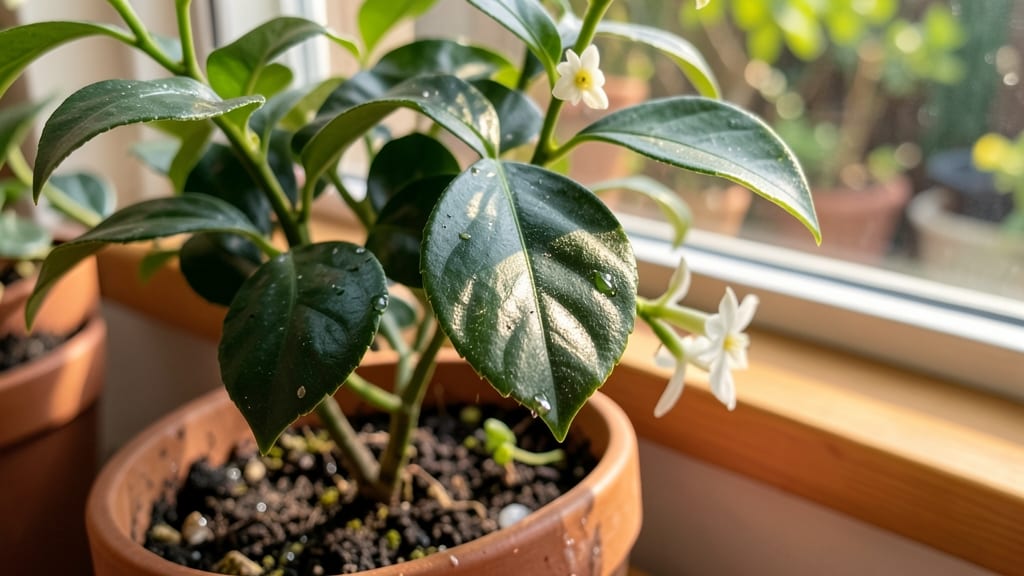
The jasmine plant leaves curling?
I’ve nursed back dozens of these fragrant vines from crispy-edged despair—and the fix often happens faster than you’d think. 🌿 The problem usually boils down to three culprits: thirsty roots, tiny spider mites hiding on the undersides, or a fungus throwing a fit from too-wet soil.
Within 48 hours, you can turn those curled leaves into lush, fragrant green again with just a few targeted steps.
First, check the soil: stick your finger in 1-2 inches deep—if it’s soggy, that’s your overwatering red flag. But if the dirt’s dry and you spot webbing or speckled leaves, spider mites are likely sucking the life out.
A quick spray with neem oil (mixed 1:10 with water) smothers them without harming your plant. For fungal issues, let the top inch dry between waterings and prune any blackened stems to stop the spread.
What you’ll end up with is a jasmine that smells like a tropical breeze again—thick, glossy leaves unfurling within days. The secret? Consistency: water only when the topsoil feels dry, and wipe leaves weekly with a damp cloth to deter pests.
Your plant’s revival starts with these simple checks, not a trip to the garden center for mystery fixes.
This works for both outdoor vines and potted jasmines, whether you’re dealing with a single branch or the whole plant. The key is acting fast—curling leaves are your plant’s SOS signal, and it’s always easier to fix when you catch it early.
Let’s get those leaves smooth and happy again.
Root Causes Behind Curling Leaves
If your jasmine plant’s leaves are curling, it’s often a cry for help—whether from environmental stress, pests, or underlying health issues. Understanding the why behind the curl is the first step to revival.
Below, we break down the most common culprits, complete with actionable science-backed explanations to diagnose and address the problem.
Jasmine plants, especially varieties like Jasminum officinale (common jasmine), thrive in consistent moisture but despise soggy roots or drought stress. Curling leaves often signal a water imbalance:
- Overwatering: Excess moisture suffocates roots, cutting off oxygen and leading to anaerobic conditions. This triggers ethylene gas production, causing leaves to curl upward as a distress signal. Check: Stick your finger 2 inches into the soil—if it’s damp, hold off on watering. 🌱
- Underwatering: Dry soil forces leaves to curl inward to reduce water loss via transpiration. Jasmine leaves may also feel crispy or papery to the touch. Fix: Water deeply until it drains from the bottom, then let the top inch dry out before repeating.
- Inconsistent watering: Fluctuating moisture levels confuse the plant’s vascular system, leading to cellular dehydration and curling. Solution: Aim for 1–1.5 inches of water per week, adjusting for climate (more in heat, less in humidity).
Pro Tip: 💡 Use a moisture meter or the "squeeze test" (gently compress soil—if it crumbles, it’s dry). Mulching with organic matter (like shredded bark) retains moisture and stabilizes soil temperature.
Jasmine plants are sun-loving but heat-sensitive. Too much direct sun or sudden temperature shifts can scorch leaves, causing them to curl or pucker:
- Sunburn: Intense midday sun (especially in hot climates) leads to photoxidative stress, where light energy damages chlorophyll. Leaves may curl downward and develop brown edges. Fix: Provide morning sun + afternoon shade or use a sheer curtain to filter light.
- Cold Drafts: Temperatures below 50°F (10°C) can cause chilling injury, disrupting cell membranes and leading to curling. Jasmine is hardy to USDA Zone 7, but sudden drops (like nighttime frosts) are deadly. Solution: Move potted jasmines indoors or cover outdoor plants with frost cloth.
- Wind Exposure: Strong winds desiccate leaves by increasing transpiration rates. Curling is a protective response to water loss. Action: Plant in a sheltered spot or use a windbreak (like a lattice or trellis).
Pro Tip: 🌡️ Monitor your microclimate! If your jasmine is near a window, HVAC vent, or outdoor patio, it may experience temperature swings. A thermometer near the plant helps track stress triggers.
Pests like spider mites, aphids, or whiteflies feed on jasmine sap, injecting toxins that cause leaves to curl, yellow, or distort. Here’s how to spot and stop them:
| Pest | Signs | Why It Causes Curling | Fix It |
|---|---|---|---|
| Spider Mites | Tiny webs on undersides, stippling (white dots), curled upward leaves | Pierce cells to suck sap, triggering jassoid damage (toxin-induced curling) | Spray with neem oil or introduce predatory mites. Increase humidity to deter them. |
| Aphids | Sticky residue (honeydew), curled downward leaves, black sooty mold | Inject salivary enzymes that distort growth; honeydew attracts mold | Blast off with water spray or use insecticidal soap. Attract ladybugs! |
| Whiteflies | Clouds of tiny white bugs when disturbed, yellowing leaves | Feed on phloem, causing nutritional deficiency and curling | Sticky traps + yellow cards to monitor. Use kaolin clay as a barrier. |
Pro Tip: ✨ Inspect leaf undersides and new growth daily. Early intervention prevents systemic damage. For severe infestations, isolate the plant and repeat treatments every 5–7 days.
Jasmine plants need a balanced diet of nitrogen (N), phosphorus (P), and potassium (K), plus micronutrients like magnesium and iron. Deficiencies often manifest as curling:
- Nitrogen (N) Deficiency: Leaves curl inward and turn yellow (chlorosis) from the tips. Nitrogen fuels leaf growth—without it, cells can’t expand properly. Fix: Apply a balanced fertilizer (10-10-10) or compost tea.
- Potassium (K) Deficiency: Leaf edges curl downward and brown (a condition called "scorch"). Potassium regulates water and enzyme activity. Solution: Use a banana peel tea (rich in K) or wood ash.
- Magnesium (Mg) Deficiency: Interveinal curling (between veins) with yellow patches signals chlorophyll breakdown. Jasmine needs Mg for photosynthesis. Action: Apply Epsom salt (1 tbsp/gallon of water) every 4 weeks.
Pro Tip: 📊 Test your soil! A DIY soil test kit (or lab test) reveals exact deficiencies. Over-fertilizing can also cause curling—follow the "less is more" rule for tropical plants.
Now that you’ve identified the likely cause, the next step is targeted treatment. Stay tuned for our 48-hour revival plan to restore your jasmine’s lush, fragrant foliage! 🌿
Quick Fixes for Curling Leaves
Reviving your jasmine plant starts with diagnosing the root cause—but once you’ve pinpointed the issue, these practical, step-by-step solutions will help restore your plant’s lush, healthy glow in 48 hours or less.
Below, we’ve mapped out targeted fixes for each common culprit, along with prevention tips to keep your jasmine thriving long-term.
Fix: Let the soil dry out completely between waterings, and improve drainage to prevent root rot.
- 🔥 Stop Watering Immediately
- Allow the top 2–3 inches of soil to dry out before watering again. Stick your finger in the soil—if it’s damp, wait.
- 👨🍳 Repot if Needed (For Root Rot)
- If roots are mushy or black, repot in fresh, well-draining soil (mix potting soil with perlite or sand).
- Trim away any rotted roots with sterilized scissors before replanting.
- ⏰ Adjust Your Watering Schedule
- Water only when the topsoil is bone-dry (usually every 5–7 days in warm climates, less in winter).
- Pro Tip: Use a terracotta pot—it wicks away excess moisture faster than plastic.
Prevention:
- ✨ Use a pot with drainage holes (non-negotiable!).
- 💡 Elevate pots on saucers or pebbles to avoid sitting in water.
- 🌡️ Monitor humidity—jasmines hate soggy roots but love moderate humidity (mist occasionally if your home is dry).
Fix: Hydrate deeply and protect your jasmine from scorching sun or dry air.
- 🥘 Water Thoroughly (Not Just a Spritz)
- Soak the soil until water drains from the bottom. Repeat every 3–4 days in hot weather.
- Morning watering is best—evaporation is lower than in the afternoon.
- 🌿 Provide Light Shade
- Move your jasmine to partial shade (3–6 hours of morning sun max) if leaves are curling and crispy.
- Pro Tip: Use a light sheer curtain to filter harsh afternoon rays.
- 💦 Increase Humidity (If Air is Dry)
- Place the pot on a pebble tray with water or use a humidifier nearby.
- Mist leaves in the evening (avoid midday to prevent fungal issues).
Prevention:
- 🎯 Mulch the soil with bark or straw to retain moisture.
- 🔥 Avoid plastic bags—they trap heat and can scorch leaves.
- 🌡️ Watch for wilting—if leaves droop and curl, it’s a severe thirst signal.
Fix: Isolate the plant and attack pests with natural or chemical solutions—fast!
- 🔪 Quarantine & Inspect
- Move the jasmine away from other plants to prevent spread.
- Check undersides of leaves for webs (mites), sticky residue (aphids), or cottony clusters (mealybugs).
- 🍳 Spray with Neem Oil or Insecticidal Soap (Best for Mild Infestations)
- Mix 1 tsp neem oil + 1 tsp mild soap per quart of water. Spray every 3–4 days until pests vanish.
- Pro Tip: Spray early morning or late evening to avoid harming beneficial insects.
- 🌿 Severe Cases? Use Systemic Insecticide
- For heavy infestations, try pyrethrin-based sprays (follow label instructions).
- Last Resort: Wipe leaves with a 70% alcohol solution (diluted) for stubborn pests.
Prevention:
- 💡 Inspect new plants before bringing them home.
- ✨ Encourage natural predators like ladybugs by planting marigolds nearby.
- 🌡️ Keep leaves dust-free—pests love hiding in debris.
Fix: Balance the soil and feed your jasmine just right.
- 📊 Flush the Soil (If Over-Fertilized)
- Water the plant heavily for 10 minutes to leach out excess salts. Repeat 2–3 times over a week.
- Sign of Over-Fertilizing: Yellowing leaves with brown crispy edges.
- 💪 Feed with Balanced Fertilizer (If Under-Fertilized)
- Use a 10-10-10 or 20-20-20 fertilizer (diluted to half-strength).
- Schedule: Feed every 4–6 weeks in spring/summer, none in fall/winter.
- Pro Tip: Fish emulsion is a great organic boost for jasmine.
Prevention:
- 🎯 Follow the "less is more" rule—jasmines are light feeders.
- 🌿 Test soil every 2 years to check pH (ideal: 6.0–7.0).
- ✨ Avoid "quick-release" fertilizers—they burn roots easily.
Fix: Protect your jasmine from harsh elements and gently revive damaged foliage.
- 🏡 Move to a Sheltered Spot
- Place near a wall, fence, or trellis to block strong winds.
- Pro Tip: If outdoors, stake tall jasmine vines to prevent flopping.
- 🌿 Trim Damaged Leaves
- Snip off severely curled or torn leaves with clean pruning shears.
- Focus on new growth—healthy leaves will replace damaged ones faster.
Prevention:
- 💡 Use windbreaks (like bamboo screens) in exposed garden areas.
- 🌡️ Avoid pruning in extreme heat—stressed plants recover slower.
Final Reminder: Most curling leaves reverse in 48 hours if you act fast! Monitor your jasmine daily after treatment—adjust care as needed. 🌿✨
Frequently asked questions
Why do my jasmine leaves curl upward instead of downward?
Upward curling usually signals spider mites or underwatering. Spider mites pierce cells and inject toxins, causing leaves to cup upward. Check undersides for tiny webs or speckling. For thirst, water deeply until it drains from the bottom—jasmine roots need consistent moisture but hate soggy soil.
Can I save my jasmine if the curling is caused by root rot?
Yes, but act fast! Remove the plant from its pot and trim all mushy, black roots with sterilized scissors. Repot in fresh, well-draining soil mixed with perlite. Water lightly only when the top 2 inches feel dry. If most roots are rotted, propagation from healthy stems may be needed.
How often should I fertilize jasmine to prevent leaf curling?
Feed jasmine every 4-6 weeks during spring/summer with a balanced fertilizer (10-10-10). In fall/winter, skip fertilizing entirely. Over-fertilizing causes curling with brown edges—flush the soil by watering heavily for 10 minutes to leach excess salts.
Will pruning curled leaves help my jasmine recover faster?
Yes! Trim severely curled or damaged leaves with clean pruning shears to redirect energy to new growth. Focus on removing only the worst-affected leaves—healthy foliage helps the plant recover. Prune in the morning to allow wounds to heal during daylight hours.
Can cold drafts cause jasmine leaves to curl?
Temperatures below 50°F (10°C) disrupt cell membranes, causing curling. Move potted jasmines indoors or cover outdoor plants with frost cloth. Jasmine thrives in USDA Zone 7+—sudden temperature drops are its biggest enemy.