
Planting
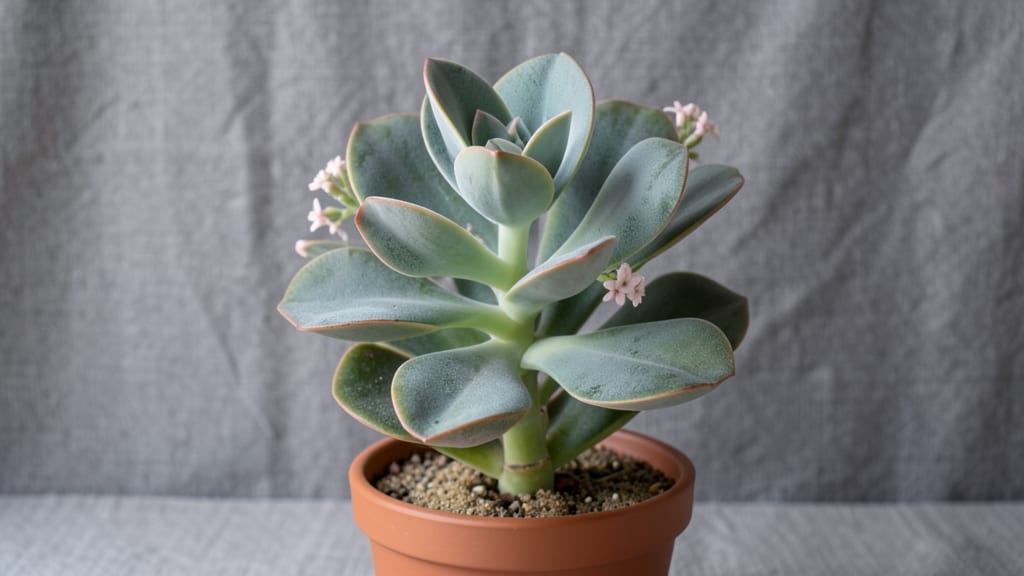
My Kalanchoe crenata—this velvety, starry-eyed succulent—transformed from a sad nursery plant into a blooming showstopper after I cracked its care code. 🌟 The secret isn’t complicated: it’s about light, water, and patience.
Unlike its flashy cousins, this one thrives in bright indirect light and needs dry soil between waterings, or it’ll sulk with yellow leaves faster than you can say "overwatered."
This plant loves being treated like a desert dweller—well-draining soil, minimal fuss, and a cool spot (60-75°F) to mimic its native habitat. The tiny star-shaped flowers in shades of pink, white, or red are its crowning glory, but they only appear if you let it rest after blooming.
I’ve learned the hard way: skipping the 6-week dry period after flowers fade means no repeat performance. By the end of winter, you’ll have a compact, bushy plant covered in blooms that last for weeks.
It’s perfect for sunny windowsills, bright offices, or even outdoor containers in USDA zones 10-11—just protect it from frost. The key? Less is more—this succulent forgives neglect but despises soggy roots.
Start with a 4-inch pot and cactus/succulent mix (add perlite for extra drainage), and you’re set. Water only when the top inch of soil is bone-dry, and use a terracotta pot to prevent rot—it breathes better than plastic.
Propagation is foolproof too: just snip a leaf, let it callus for a day, then place it on dry soil. Roots form in 2-4 weeks, and you’ve got a free plant.
Watch for mealybugs (those cottony pests) or stretched, leggy growth—both mean your plant needs more light or less water. A quick wipe with rubbing alcohol on a cotton swab fixes bugs, while moving it to a sunnier spot fixes the stretch.
With these tweaks, your Kalanchoe crenata will reward you with season-after-season blooms that outshine store-bought flowers.
📚 In This Guide
- What you need
- Instructions
- Tips and common mistakes
- Wrapping up and next steps
What you need
- ● Kalanchoe crenata plant: 1 healthy specimen (potted or bare-root). Look for plump, green leaves and no signs of pests.
- ● Well-draining soil: 1 bag (5-10 lbs) of cactus or succulent mix (or DIY: 60% potting soil + 40% perlite/pumice).
- ● Pot or container: 1 with drainage holes, sized 4-6 inches in diameter (or slightly larger for mature plants).
- ● Watering can or spray bottle: 1 with a narrow spout to avoid oversaturating the soil.
- ○ Gloves (optional): 1 pair to protect hands from mild sap irritation.
- ● Trowel or small shovel: 1 for repotting or dividing plants.
- ○ Plant food (optional): 1 bottle of balanced liquid fertilizer (5-10-10 or succulent-specific).
- ○ Gravel or pebbles (optional): Small handful for decorative top layer or extra drainage.
- ● Bright, indirect light spot: A sunny windowsill or grow light (if indoors).
Step-by-step guide to cultivating thriving Kalanchoe crenata
Master these care essentials and your Kalanchoe crenata will reward you with vibrant clusters of tiny, star-shaped blooms for months.
🪴 Step 1: Select the Perfect Pot and Soil
Choose a 4-6 inch diameter pot with drainage holes—terracotta works best because it breathes and prevents root rot. I always use a mix of 50% cactus/succulent soil and 50% perlite or pumice to ensure excellent drainage. The soil should feel dry to the touch within a day of watering.
Press the soil gently into the pot, leaving about ½ inch from the rim to prevent overflow during watering. The goal is a loose, airy medium that mimics the plant's natural arid habitat. If your soil compacts easily, add an extra 10% perlite to improve aeration.
☀️ Step 2: Position for Optimal Light Exposure
Kalanchoe crenata thrives in bright, indirect light with 4-6 hours of morning sun daily. A south- or east-facing window is ideal, but avoid harsh afternoon sun which can scorch delicate leaves. You'll notice leaves turning pale or stretching toward light when conditions aren't right.
Rotate the pot quarter turn weekly to encourage even growth. If your home lacks sufficient natural light, supplement with a grow light positioned 12-18 inches away for 12-14 hours daily. Watch for leggy growth—this is your cue to move the plant closer to the light source.
💧 Step 3: Establish a Precise Watering Routine
Water only when the top 2 inches of soil feel completely dry, typically every 2-3 weeks in spring/summer and 3-4 weeks in fall/winter. Overwatering is the #1 killer of Kalanchoe crenata, so always check with your finger before watering.
When watering, pour slowly until it drains freely from the bottom. Empty the saucer immediately to prevent root suffocation. In winter, reduce watering to once a month or less—this dormancy period is crucial for bloom production. Yellowing leaves signal overwatering, while wrinkled leaves indicate thirst.
✂️ Step 4: Encourage Blooming Through Light Manipulation
To trigger flowering, provide 12 hours of darkness daily for 6-8 weeks using a blackout box or by moving the plant to a closet. Start this treatment in early fall for spring blooms. The plant needs complete darkness—even a nightlight can disrupt the process.
After blooms fade, trim spent stems to ½ inch above the leaf node to encourage new growth. Remove only the flower stalk, leaving healthy foliage intact. Prune in early spring to shape the plant and promote bushier growth. You'll see new shoots emerge within 2-3 weeks of proper pruning.
🌱 Step 5: Maintain Year-Round Health
Fertilize lightly every 6-8 weeks during spring and summer with a ½-strength balanced liquid fertilizer. I use a 10-10-10 formula diluted to half strength. Avoid fertilizing in fall and winter when the plant is dormant. Brown leaf tips indicate over-fertilization.
Repot every 2-3 years or when roots circle the pot. Choose a container only 1-2 inches larger in diameter to prevent soil moisture retention. The goal is to disturb the root system minimally while providing fresh growing medium. Spring is the ideal time for repotting, just as new growth begins.
Tips & tricks for perfect Kalanchoe crenata care
Here's what nobody tells you about keeping your Kalanchoe crenata thriving—these are the secrets that'll make all the difference between a struggling plant and one that blooms beautifully year after year.
Soil Mix Secrets: When mixing your 50% cactus/succulent soil with 50% perlite or pumice, sift both components first to eliminate any clumps. This creates a more uniform texture that drains perfectly. I like to add a handful of coarse sand to the mix—it helps prevent compaction over time and mimics the rocky desert soils where Kalanchoe naturally grows. The goal is a soil that feels almost dry to the touch within 24 hours of watering, so don't be afraid to adjust the perlite ratio if your mix holds moisture too long.
Light Exposure Troubleshooting: If your Kalanchoe crenata starts stretching toward the light (a condition called etiolation), it's getting too little light. Move it closer to the window or supplement with a grow light. The key is that 4-6 hours of morning sun—afternoon sun can scorch those delicate leaves. I've found that placing the plant on a rotating tray (turning it quarter turn weekly) helps prevent uneven growth toward the light source, giving you that perfect symmetrical shape.
Watering Wisdom: The finger test for watering is your best friend—stick your finger about 2 inches into the soil. If it feels completely dry, it's time to water. But here's the trick: water thoroughly until it drains from the bottom, then empty that saucer immediately. I use a spray bottle for a light mist between waterings in summer to keep the leaves dust-free without overwatering. Remember, wrinkled leaves mean thirst, but yellowing leaves mean you're overdoing it.
Blooming Blackout Hack: For that crucial 6-8 week dark treatment to trigger blooms, I use a simple cardboard box with a light inside to create the blackout effect. Place the box over the plant during the 12 hours of darkness, then remove it for the daylight period. The plant needs complete darkness—no peeking! Start this treatment in early fall for spring blooms, and you'll be rewarded with those stunning star-shaped flowers. After blooms fade, trim stems to ½ inch above the leaf node—this encourages new growth within 2-3 weeks.
Pro Tips for Kalanchoe Crenata Plant
- Here's what nobody tells you about keeping your Kalanchoe crenata thriving—these are the secrets that'll make all the difference between a struggling plant and one that blooms beautifully year after year.
- Soil Mix Secrets: When mixing your 50% cactus/succulent soil with 50% perlite or pumice, sift both components first to eliminate any clumps.
- Light Exposure Troubleshooting: If your Kalanchoe crenata starts stretching toward the light (a condition called etiolation), it's getting too little light.
Frequently asked questions
Got questions about your Kalanchoe crenata plant?
You’re not alone! Here are answers to the most common queries to keep your succulent happy and blooming.
How often should I water my Kalanchoe crenata?
Water your Kalanchoe crenata only when the top 1–2 inches of soil are completely dry—usually every 2–3 weeks in warm weather and even less in winter. Overwatering is the #1 killer of succulents, so always use a pot with drainage holes and a well-draining soil mix.
Can Kalanchoe crenata survive winter indoors?
Yes! This hardy succulent thrives indoors year-round. Place it near a bright window (south or west-facing is ideal) and reduce watering to once a month during dormancy (fall/winter). Avoid cold drafts, and temperatures below 50°F (10°C) can stress the plant.
Why isn’t my Kalanchoe crenata blooming?
Blooms need 12+ hours of darkness daily for 6–8 weeks (mimic winter conditions). If your plant isn’t flowering, check its light exposure—too much bright light without darkness can prevent blooms. Also, ensure it’s not overcrowded in its pot (repot every 2–3 years).
How do I get rid of pests on my Kalanchoe crenata?
Common pests like mealybugs or aphids can attack succulents. Wipe leaves with a soapy water solution (1 tsp mild soap per quart of water) or spray with neem oil. Isolate the plant to prevent spreading, and check the soil for hidden critters.
Can I propagate Kalanchoe crenata from leaves?
Snip a healthy leaf, let it callus for 1–2 days, then place it on dry soil. Mist lightly for 2 weeks, then reduce watering. Roots should form in 4–6 weeks. Pro tip: Use a small plastic bag to create humidity if your air is dry!
Wrapping up and next steps
The Kalanchoe crenata is a stunning, low-maintenance succulent that rewards patience with vibrant blooms and lush foliage. With the right light, soil, and care tips—like well-draining pots and occasional pruning—you’ll unlock its full potential.
Whether you're a beginner or a seasoned plant parent, this resilient beauty is ready to thrive on your windowsill or shelf!
🌱 Next step: Grab your supplies, follow the care guide, and watch your Kalanchoe crenata flourish! Share your progress or ask questions in the comments—we’re here to cheer you on. Happy planting! 🌟