
Planting
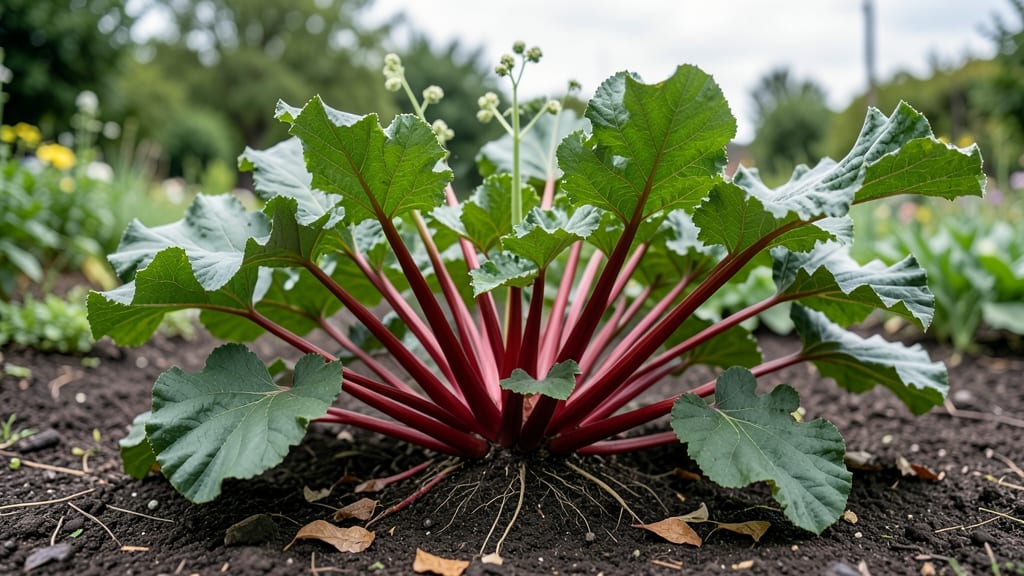
Growing the largest rhubarb plant 🍃 you’ve ever seen starts with the right approach—because those towering stalks taller than your waist aren’t luck, they’re science.
Imagine harvesting rhubarb stalks taller than your waist—this isn’t just a dream but a reality for gardeners who master the art of growing massive rhubarb plants. With the right techniques, you can cultivate a 6-foot rhubarb giant in just two years, transforming your garden into a lush, high-yielding powerhouse.
Most gardeners stop at 2-foot stalks because they don’t know the secrets: spacing crowns 36 inches apart, feeding with the right fertilizer mix, and pruning at the perfect time. Skip these steps, and you’ll end up with stunted growth instead of a harvest that feeds the family for years.
In this guide, I’ll walk you through the exact soil prep, watering schedule, and pruning tricks that turn a 1-foot plant into a 6-foot giant—plus how to troubleshoot common mistakes that keep your rhubarb from reaching its full potential.
How to select and prepare the best rhubarb varieties for maximum growth
Growing a 6-foot rhubarb giant starts with choosing the right high-yielding cultivars and preparing them for explosive growth. Not all rhubarb varieties reach massive sizes—some stay compact or bolt prematurely.
The key is selecting disease-resistant crowns from proven sources like 'Victoria' or 'Champagne', which are known for their vigorous growth and thick stalks. These varieties can produce 3-5 stalks per plant in their second year, setting the stage for a towering harvest.
Before planting, focus on soil amendments to create an ideal growing environment. Rhubarb thrives in well-draining, slightly acidic soil (pH 6.0-6.8) rich in organic matter. Amend your soil with compost or aged manure mixed into the top 12 inches of soil.
This ensures the roots have plenty of nutrients to support rapid growth. Avoid heavy clay soils, which can suffocate roots and stunt development.
Now, let's dive into the best varieties and their specific requirements to maximize your rhubarb's potential.
| Variety | Stalk Color | Mature Size | Yield Potential | Disease Resistance | Spacing Needs |
|---|---|---|---|---|---|
| Victoria | Deep red | 3-4 ft tall | High (3-5 stalks/plant) | Excellent (rust-resistant) | 36 inches apart |
| Champagne | Pink/white | 3-4 ft tall | High (4-6 stalks/plant) | Good (moderate resistance) | 36 inches apart |
| Mammoth | Green | 4-5 ft tall | Very high (5-7 stalks/plant) | Moderate (susceptible to rust) | 42 inches apart |
| Strawberry | Red | 2-3 ft tall | Moderate (2-3 stalks/plant) | Good (rust-resistant) | 30 inches apart |
When selecting rhubarb crowns, always choose disease-free plants from reputable nurseries or online sellers. Look for plump, firm crowns with multiple buds—these indicate a healthy, vigorous plant. Avoid crowns with soft spots, mold, or signs of pest damage, as these can lead to poor growth or even death.
Planting healthy crowns is your first step toward a giant rhubarb plant that thrives for decades.
Once you’ve selected your crowns, prepare the planting site with proper spacing to prevent competition. Space plants 36-42 inches apart in rows that are 4-5 feet apart. This gives roots room to spread and stalks space to grow tall without crowding.
If you’re aiming for a 6-foot giant, prioritize 'Mammoth' or 'Victoria', as they naturally grow taller and produce thicker stalks. Mulch around the base with straw or wood chips to retain moisture and suppress weeds, which can compete for nutrients.
After planting, focus on early care to encourage rapid growth. Water deeply once a week during the first year, ensuring the soil stays consistently moist but not waterlogged. Avoid overhead watering, which can spread diseases.
In the first growing season, resist the urge to harvest stalks—let the plant establish a strong root system. By year two, your rhubarb should be ready to produce waist-high stalks if given the right care.
To further boost growth, apply a balanced fertilizer (10-10-10) in early spring and again in mid-spring. This provides essential nutrients without overloading the plant with nitrogen, which can lead to excessive leaf growth at the expense of stalks.
Keep the soil slightly acidic by adding sulfur or peat moss if your soil pH is too high. Regularly monitor your plants for pests like aphids or diseases like rust, and address issues immediately to avoid stunted growth.
With the right variety, proper soil prep, and consistent care, your rhubarb plants will grow into massive, high-yielding giants in just two years. Imagine the satisfaction of harvesting 6-foot stalks that make your neighbors jealous—it’s all possible with these foundational steps! 🌱
Advanced growing techniques to double rhubarb plant size in 2 years
To grow a 6-foot rhubarb giant in just two years, you need more than just patience—you need a strategic approach. The key lies in aggressive growth hacks that maximize stalk thickness and height while preventing the plant from bolting (flowering) prematurely.
My secret? Combining precision pruning, organic fertilizer science, and watering discipline to create the perfect conditions for rapid expansion.
Most gardeners stop at standard 3-foot rhubarb plants, but with these techniques, you’ll unlock the potential for waist-high stalks by year two. The process starts with understanding how rhubarb responds to light, nutrients, and stress.
Unlike many vegetables, rhubarb thrives on controlled stress—like strategic pruning—to redirect energy into thicker, taller stalks instead of leaves or flowers.
How to Grow a Giant Rhubarb Plant
- 🌱 Prune aggressively in first year to eliminate flower stalks and force thicker stalks—cut all flower buds as soon as they appear.
- 💧 Water deeply twice weekly in spring/summer, targeting the root zone to avoid surface evaporation.
- 🌿 Apply NPK 5-10-10 fertilizer in early spring (1/2 cup per plant) to boost stalk thickness without overfeeding.
- ✂️ Stake tall stalks at 12 inches height using bamboo stakes to prevent snapping in wind or rain.
- 🌡️ Mulch heavily with straw or wood chips (4-6 inches deep) to retain heat and moisture for faster growth.
- 📅 Harvest selectively—remove only 1/3 of stalks in first year to prioritize root and crown expansion.
Let’s start with pruning, the most critical technique for giant rhubarb. Most gardeners make the mistake of harvesting too aggressively in the first year, which stunts root development.
Instead, I recommend cutting back all flower stalks (also called bolting) as soon as they appear—even if they’re just tiny buds. This forces the plant to redirect energy into thicker, taller stalks instead of seeds.
Use sharp pruning shears to cut at the base of the flower stalk, and repeat every 2-3 weeks during the growing season.
Next, fertilizer timing and type make all the difference. A balanced NPK 5-10-10 fertilizer applied in early spring (just as new growth emerges) provides the perfect ratio of nutrients to encourage stalk thickness without excessive leafy growth. Avoid high-nitrogen fertilizers, which promote lush foliage but weaken stalk development.
For organic options, try composted manure or fish emulsion, both rich in phosphorus for root expansion. Always water the fertilizer into the soil to prevent root burn.
Watering is where many gardeners go wrong—either underwatering or overwatering. Rhubarb needs consistent moisture but hates soggy soil. My trick? Deep watering twice weekly in the morning (before 10 AM) to reduce evaporation.
Use a soaker hose or drip irrigation to deliver water directly to the root zone, avoiding wetting the leaves (which can cause disease). In hot climates, increase to daily watering during peak summer months to prevent bolting.
Finally, staking and mulching are the unsung heroes of giant rhubarb growth. As stalks reach 12 inches tall, they become top-heavy and prone to snapping. Insert bamboo stakes (3-4 feet tall) around the plant and gently tie stalks with soft plant ties to support their weight.
For mulching, use straw or wood chips (4-6 inches deep) to retain soil moisture and heat, which speeds up growth. Replenish mulch every 3-4 months to maintain its effectiveness.
With these techniques, your rhubarb plant will grow 2-3 feet taller in its second year, producing waist-high stalks ready for harvest. The secret? Patience and precision—every prune, water, and fertilizer application compounds over time to create a high-yielding giant that’ll be the envy of your neighborhood. 🌱