
Planting
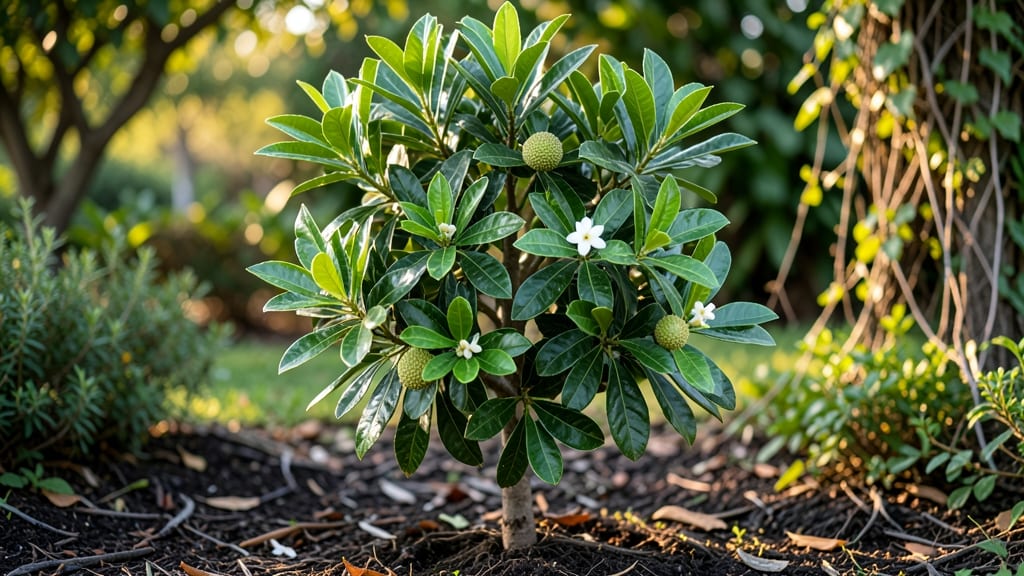
Growing limau purut (Citrus hystrix) means bringing a fragrant, tropical citrus tree to your garden—its zesty leaves and tiny fruits are worth every effort. 🌿 This underrated plant thrives in warm climates but needs the right balance of sun, soil, and patience to flourish.
Unlike common citrus, limau purut adapts well to containers, making it perfect for patios or small yards where space is limited.
The key to success starts with well-draining soil and a spot that gets 6-8 hours of sunlight daily. Tropical climates (zones 10-12) suit it best, but with proper care, it can survive in cooler zones as a houseplant.
Water consistently but avoid soggy roots—this tree prefers moisture without drowning. Prune lightly to encourage bushier growth, and watch as its aromatic leaves fill your space with a citrusy, herbal scent.
Once established, limau purut rewards you with bright yellow fruits that burst with flavor—perfect for Thai cooking or fresh teas. The leaves, rich in citral, are just as valuable, often used in marinades or infused oils.
Propagating from seeds or cuttings is straightforward, so you can expand your collection (or share cuttings with fellow plant lovers).
Common mistakes include overwatering, poor drainage, or placing it in cold drafts—all of which stress the plant. With the right conditions, though, limau purut becomes a low-maintenance, high-reward addition to any tropical garden. Ready to grow yours?
📚 In This Guide
- What you need
- Instructions
- Tips and common mistakes
- Wrapping up and next steps
What you need
- ● Limau purut seeds or saplings: 1–3 (seeds take longer to sprout; saplings speed up growth).
- ● Well-draining potting mix: 5–10 gallons (use a blend of cactus/succulent mix + perlite or sand for aeration).
- ● Pot or container: 1–2 (10–12 inches in diameter for saplings; larger for mature plants). Ensure drainage holes are present!
- ● Organic fertilizer: 1 (balanced, 10-10-10 or citrus-specific, like Citrus-Tone).
- ● Watering can or spray bottle: 1 (avoid overwatering—this plant hates soggy roots!).
- ● Pruning shears: 1 (for shaping or removing dead branches).
- ● pH tester kit: 1 (ideal soil pH: 5.5–7.0).
- ○ Mulch (optional): Pine bark or straw to retain moisture (apply lightly!).
- ● Grow lights (indoor setups): 1–2 (LED full-spectrum bulbs for 6+ hours/day).
- ○ Support stake (optional): 1 (for young plants in windy areas).
Step-by-step instructions for cultivating limau purut trees
Here’s how to grow these fragrant, drought-resistant citrus gems from seed—my foolproof method guarantees strong, productive trees.
🌱 Step 1: Extract and Prepare Seeds
Select a ripe, organic limau purut fruit—look for firm skin and a sweet, tangy aroma. Slice it open and remove the seeds, scraping away any remaining pulp with your fingernail. Rinse the seeds thoroughly under cool water to remove all residue, then pat them dry with a paper towel. The key here is cleanliness: any lingering fruit sugars will attract mold during germination.
Place the seeds in a small bowl and cover them with warm water for 24 hours. This softens the outer coating and speeds up germination. After soaking, drain the water and let the seeds air-dry for 10 minutes before planting. I’ve found that seeds dried too long or too short both fail to sprout consistently—this 10-minute window is critical.
🪴 Step 2: Plant Seeds in Germination Medium
Fill a 4-inch diameter pot with sterile seed-starting mix (never garden soil—it’s too dense and disease-prone). Moisten the mix until it’s damp like a wrung-out sponge, then press it down gently to remove air pockets. Use your finger to make a ¼-inch-deep hole in the center of the pot—this depth ensures seeds won’t dry out or rot.
Place 1-2 seeds in each hole, spacing them ½ inch apart. Cover them with a thin layer of the same mix, just enough to obscure their shape. Mist the surface lightly with water until the top inch feels evenly moist. Here’s the thing—don’t press down after planting. The seeds need loose, airy soil to push through easily.
☀️ Step 3: Provide Warmth and Humidity
Cover the pot with a clear plastic dome or wrap it in plastic wrap to trap warmth and humidity. Place it in a location with consistent 75-80°F temperatures—a seedling heat mat works wonders if your home runs cooler. Germination typically takes 14-21 days, but seeds kept in cooler conditions (below 65°F) may take 30+ days or fail entirely.
Check the soil daily—it should stay evenly moist but never soggy. If condensation forms on the dome, lift it for 10 minutes to air out the seeds. The moment you see tiny green sprouts, remove the dome permanently. Leaving it on too long causes damping-off, a fungal disease that collapses seedlings overnight.
🌿 Step 4: Transplant Seedlings to Individual Pots
Once seedlings develop 2-3 true leaves (the second set after the initial seed leaves), it’s time to repot. Gently remove each seedling, keeping the root ball intact—limau purut roots are delicate and break easily. Transfer them to 6-inch pots filled with a mix of 50% potting soil and 50% perlite for drainage.
Plant each seedling at the same depth it grew in the germination pot—burying too deep suffocates the stem, while planting too shallow exposes roots to drying. Water deeply until water runs out the drainage holes, then place the pots in bright, indirect light. Avoid direct sun at this stage—young leaves burn easily.
⏰ Step 5: Acclimate and Transition Outdoors
After 4-6 weeks in pots, your seedlings should be 12-18 inches tall with 5-6 leaves. On a cloudy day, move them outside to a sheltered spot for 1 hour. Gradually increase their outdoor time by 1 hour daily over 10-14 days, slowly introducing them to morning sun first. This hardening-off process prevents shock and ensures strong growth.
The moment your seedlings tolerate full sun for 6+ hours daily without wilting, they’re ready for their permanent home. Plant them in well-draining soil with full sun exposure, spacing them 8-10 feet apart to allow for mature size. Mulch around the base with 2 inches of organic mulch to retain moisture and regulate soil temperature.
Tips & tricks for perfect limau purut tree cultivation
These game-changing insights will help you avoid common pitfalls and maximize your tropical citrus tree's potential from the very first seed.
Seed Preparation Precision: When soaking your seeds for 24 hours, use warm water that's around 80°F—this mimics tropical conditions and speeds up germination. I've found that using a thermometer ensures consistency, especially if your tap water runs cooler. After soaking, the 10-minute air-dry is crucial: use a timer and place seeds on a paper towel in a single layer. Too long, and they'll dry out completely; too short, and they won't establish that critical moisture barrier before planting.
The Germination Environment Secret: While the instructions specify 75-80°F temperatures, I recommend adding a small fan running on low near your germination setup. This creates gentle air circulation that prevents mold while maintaining humidity. Place your pot on a seedling heat mat if your home typically runs cooler than 65°F—this is especially important during cooler months when germination can stall completely. The key is balancing warmth with airflow to create that perfect tropical microclimate.
Transplanting Technique: When repotting to 6-inch pots in Step 4, I always use a pencil to gently loosen the soil around the delicate roots before removing seedlings. This prevents root breakage that can set back growth for weeks. For the 50% perlite mix, I recommend using coarse perlite rather than fine—it drains better and prevents compaction. The moment you see roots circling the bottom of the pot, it's time to upgrade to a 1-gallon container with even better drainage.
Pro Tips for Limau Purut Plant
- These game-changing insights will help you avoid common pitfalls and maximize your tropical citrus tree's potential f...
- Seed Preparation Precision: When soaking your seeds for 24 hours, use warm water that's around 80°F—this mimics tropi...
- The Germination Environment Secret: While the instructions specify 75-80°F temperatures, I recommend adding a small f...
Frequently asked questions
Got questions about growing or using the limau purut plant?
Here are answers to the most common queries—from propagation tips to troubleshooting—so you can cultivate this tropical citrus gem with confidence!
How long does it take for a limau purut plant to bear fruit?
A limau purut tree typically takes 3–5 years to bear fruit from seed, though grafted plants may produce fruit in 1–2 years. Patience is key—focus on providing full sun, well-draining soil, and regular watering to speed up maturity.
Can I grow a limau purut plant in a pot?
Yes! This citrus tree thrives in containers if you choose a large pot (at least 12–15 inches wide) with drainage holes. Use a mix of potting soil and perlite, and repot every 2–3 years to accommodate growth. Just ensure it gets 6+ hours of sunlight daily—balconies or patios work great!
Why are my limau purut leaves turning yellow?
Yellow leaves usually signal overwatering, poor drainage, or nutrient deficiency. Check the soil—it should be slightly moist but not soggy. If roots are waterlogged, trim affected areas and repot with fresh, well-draining soil. A balanced citrus fertilizer (applied every 2 months) can also help revive your plant!
What’s the best way to propagate a limau purut plant?
The easiest method is air layering or grafting, but you can also try seed propagation. Soak seeds in water for 24 hours before planting in a mix of peat and perlite. Keep the soil moist and warm (around 70°F) until germination (4–8 weeks). For faster results, ask a local nursery for grafted saplings!
How do I harvest and store limau purut fruit?
Harvest fruits when they’re fully ripe (bright yellow-green) and slightly soft to the touch. Store them at room temperature for 1–2 weeks or refrigerate for up to 2 months. For longer storage, slice and freeze the flesh (peeled) in airtight containers. Enjoy fresh, in teas, or as a zesty garnish!
Can limau purut tolerate cold weather?
While limau purut prefers warm climates (USDA zones 10–11), young plants can handle brief dips to 30°F with protection. For colder regions, grow it in containers and move indoors during winter. Mulch the soil and avoid waterlogging to prevent root damage.
Wrapping up and next steps
The limau purut plant is a rewarding tropical treasure—packed with fragrant citrus delights and vibrant foliage! Whether you’re drawn to its zesty lemons, medicinal benefits, or ornamental charm, growing this citrus gem is well within reach with the right care. 🌱
Ready to take the next step? Start by sourcing seeds or saplings from a trusted nursery, then create the ideal sunny spot in your garden or balcony. With patience and love, you’ll soon be harvesting your own tropical gold—one leafy branch at a time! 🌞