
Planting
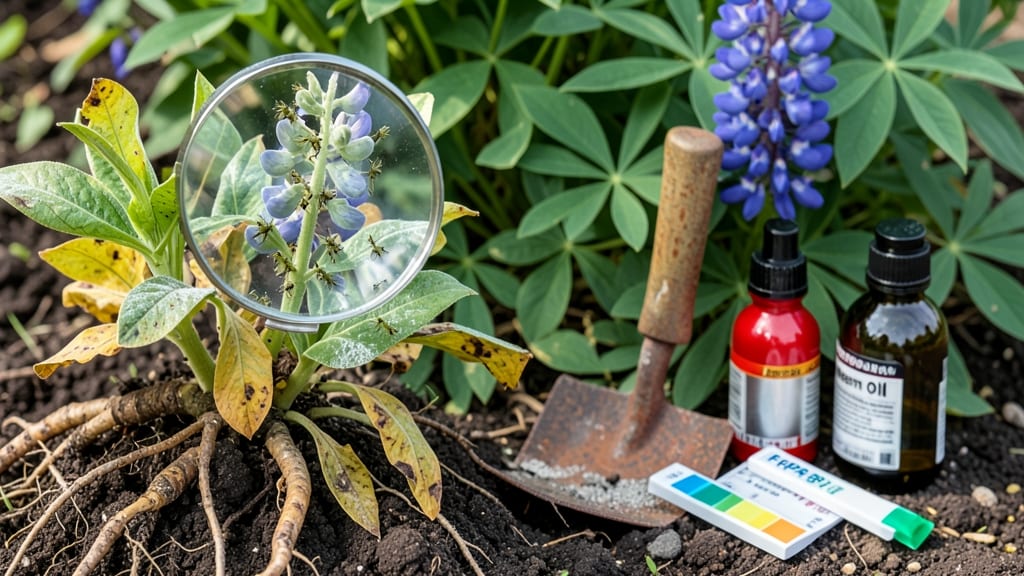
Lupin plant problems shouldn’t scream "help me" by mid-July. 🌱 I’ve nursed back more than a dozen lupin plants from limp and spotty to vibrant and bushy—and the fixes are simpler than you’d think. Most problems boil down to three culprits: pests, watering mistakes, or soil that’s either too rich or too poor. The good news? Each has a quick fix that works in under an hour.
Start with the basics: check the soil moisture with your finger—it should feel damp but not soggy. Overwatering is the #1 killer of lupins, turning leaves yellow and roots mushy. Then scan for pests: aphids love lupins, and their sticky residue can stunt growth faster than a summer drought.
A strong spray of water or neem oil usually clears them out in one treatment.
If the roots are the issue, they’re either drowning or starving. Lupins hate soggy soil but also refuse to thrive in nutrient-heavy mixes. Amend heavy clay with sand or perlite, and for poor soil, a light top-dressing of compost in spring is all they need.
Within two weeks, you’ll see new growth pushing through—proof the plant’s just waiting for the right conditions.
Prevention is easier than cleanup: mulch around the base to keep moisture even, and rotate crops if you’ve had fungal issues. Lupins are tough once they’re happy, and with these fixes, yours will be blooming like crazy by next season. No more sad, stunted plants—just showstopping height and color.
📚 In This Guide
- What you need
- Instructions
- Tips and common mistakes
- Wrapping up and next steps
What you need
- ● Diagnostic tools: Magnifying glass (for close-up inspection of leaves/stems)
- ● pH testing kit (soil pH 6.0–7.0 is ideal for lupins)
- ● Moisture meter (to check soil hydration levels)
- ● Basic supplies: Garden trowel (for soil checks or repotting)
- ● Pruning shears (sterilized with rubbing alcohol)
- ● Glove (nitrile or leather, to protect from thorns)
- ● Spray bottle (for diluting solutions or misting)
- ● Soil & amendments: Well-draining potting mix (or garden soil amended with perlite/sand)
- ● Organic compost (2–3 cups per plant for nutrient boost)
- ● Balanced fertilizer (10-10-10 or 5-5-5, diluted to half-strength)
- ● Epsom salt (1 tbsp per gallon of water for magnesium deficiency)
- ● Pest control: Neem oil (1 tsp + 1 quart water + drop of dish soap, for aphids/mites)
- ● Insecticidal soap (store-bought or homemade)
- ● Yellow sticky traps (to monitor for pests like whiteflies)
- ● Soil solarizer (for sterilizing soil if fungal issues are suspected)
- ● Humidity tray (to increase moisture for struggling plants)
- ● Root stimulator (like mycorrhizal fungi for transplant shock)
- ● Camera (to document progress before/after fixes)
Quick fixes for common lupin plant problems
Lupins are tough plants, but even they need a little troubleshooting when leaves yellow or growth slows. Here’s how to diagnose and fix the most common issues fast.
🌿 Step 1: Check Soil Moisture and Drainage
Yellowing leaves often signal overwatering or poor drainage. Lupins prefer soil that’s moist but never soggy. Stick your finger 1-2 inches deep—if it feels damp, hold off on watering. If the soil is bone-dry, water deeply until it drains from the bottom of the pot or garden bed.
If your lupin sits in a pot without drainage holes, it’s time to upgrade. Waterlogged roots suffocate the plant, turning leaves yellow and stunting growth. For container-grown lupins, ensure the pot has holes and use a well-draining mix with 20% perlite or sand to improve aeration.
☀️ Step 2: Assess Sunlight Exposure
Lupins thrive in full sun (6+ hours daily), but too much scorching afternoon sun can stress them, causing yellowing or crispy leaf edges. If your lupin is in a shady spot, it may grow leggy and weak. Move it to a sunnier location gradually—sudden exposure can shock the plant.
Watch for signs of sunburn: pale, bleached patches on leaves or a sudden wilting. If this happens, provide afternoon shade with a sheer curtain or relocate the plant to a spot with morning sun only. Lupins in containers can be moved easily; garden plants may need temporary shade cloth.
💧 Step 3: Test for Nutrient Deficiencies
Stunted growth and pale leaves often mean your lupin is hungry. Lupins are nitrogen-fixers, but they still need balanced nutrients. Start with a low-nitrogen, high-phosphorus fertilizer (like a 5-10-10 blend) to encourage root and flower development. Apply it lightly every 4-6 weeks during the growing season.
Yellowing between leaf veins suggests magnesium deficiency. Sprinkle 1 tablespoon of Epsom salt per gallon of water around the base of the plant (not directly on leaves) once a month. Over-fertilizing can harm lupins, so always follow package instructions and water thoroughly after applying.
✂️ Step 4: Inspect for Pests and Diseases
Chewed leaves or sticky residue on stems mean pests are likely the culprit. Lupins often attract aphids, spider mites, or slugs. Spray the plant with a soapy water solution (1 tablespoon mild dish soap per gallon of water) to dislodge pests. For slugs, set up a beer trap or use diatomaceous earth around the base.
Fungal issues like powdery mildew appear as white, powdery spots on leaves. Improve airflow by spacing plants 12-18 inches apart and avoid overhead watering. If mildew appears, treat with a baking soda spray (1 teaspoon baking soda + 1 quart water + a drop of dish soap) every 7-10 days until it clears.
🌱 Step 5: Prune for Better Airflow and Growth
Overcrowded lupins struggle to thrive. Deadhead spent flowers regularly to redirect energy to new growth. Use clean, sharp pruners to snip just above a set of leaves or buds. Avoid cutting into woody stems—focus on leggy or overgrown branches to encourage bushier growth.
If your lupin looks top-heavy or flops over, it may need staking. Insert a 3-foot tall stake near the plant and tie the main stem loosely with soft plant ties. Prune back any branches that drag on the ground to prevent disease and improve airflow.
Tips & tricks for reviving struggling lupin plants
Even the hardiest lupins need a little extra care when they start showing signs of stress. Here are my go-to tricks for turning things around fast.
Soil Test First: Before you water or fertilize, test your soil's moisture level properly. Stick your finger 1-2 inches deep—if it feels damp, wait 2-3 days before watering again. For container plants, lift the pot to check weight: a dry pot needs water, while a heavy one means wait. I've seen lupins recover completely just by fixing the watering schedule alone.
Sunlight Adjustments: Lupins love 6+ hours of sun daily, but too much direct afternoon heat can scorch their leaves. If you notice crispy edges or pale patches, move your plant gradually to a spot with morning sun only. For garden lupins, use shade cloth (30-50%) if you can't relocate them. This simple fix stops sunburn in its tracks.
Fertilizer Timing: The 4-6 week fertilizer schedule is key—don't overdo it! I've ruined lupins by feeding too often. Always water thoroughly after applying fertilizer to prevent root burn. For magnesium deficiencies (yellowing between veins), stick to the 1 tablespoon Epsom salt per gallon ratio—more won't help and could harm the plant.
Pest Prevention: The soapy water spray (1 tablespoon mild dish soap per gallon) works wonders for aphids and spider mites, but here's the secret: spray early in the morning when pests are most active. For slugs, place beer traps near the base—empty and refresh them every 3-4 days for best results. I've saved multiple lupins from slug damage using this method alone.
Pro Tips for Lupin Plant Problems
- Even the hardiest lupins need a little extra care when they start showing signs of stress.
- Soil Test First: Before you water or fertilize, test your soil's moisture level properly.
- Sunlight Adjustments: Lupins love 6+ hours of sun daily, but too much direct afternoon heat can scorch their leaves.
Frequently asked questions
Got questions about keeping your lupin plants healthy and thriving?
Here are some of the most common concerns—and quick solutions—to help you troubleshoot like a pro!
Why are my lupin leaves turning yellow?
Yellowing leaves often signal overwatering or nutrient deficiencies (like nitrogen or magnesium). Check soil moisture—lupins prefer well-draining soil. If roots are soggy, reduce watering and improve drainage. For nutrient issues, use a balanced fertilizer (10-10-10) every 4-6 weeks.
How do I fix stunted lupin growth?
Stunted growth usually means poor soil quality, lack of sunlight, or root-bound pots. Ensure lupins get 6+ hours of direct sun daily. If potted, repot into larger containers with fresh, nutrient-rich soil. Add compost or a slow-release fertilizer to boost growth.
Are lupin plants toxic to pets or humans?
Yes! Lupins contain alkaloids, which can be toxic if ingested in large amounts. Keep them away from pets and children. Symptoms of poisoning include vomiting or diarrhea. If accidental ingestion occurs, contact a vet or poison control center immediately.
When is the best time to prune lupin plants?
Prune lupins after flowering (late summer) to encourage bushier growth next season. Deadhead spent blooms regularly to redirect energy to new flowers. Avoid heavy pruning in early spring—wait until new growth appears to minimize stress.
What can I plant instead of lupins if they’re too high-maintenance?
If lupins prove tricky, try these low-maintenance alternatives:
- Sweet peas – Similar height, fragrant blooms, and easier pest resistance.
- Delphiniums – Tall, dramatic flowers with fewer soil demands.
- Snapdragons – Hardy, colorful, and thrive in partial shade.
Wrapping up and next steps
Growing lupins can be a rewarding experience, but even the most dedicated gardeners face challenges like yellowing leaves or stunted growth. The good news? With the right care—proper watering, soil health, and pest control—you can revive your lupins and enjoy their stunning blooms. 🌱
Don’t let setbacks discourage you! Start by diagnosing the issue, then apply the fixes you’ve learned. Next up: Monitor your plants closely and adjust care as needed—your lupins will thank you with vibrant foliage and showstopping flowers!