
Planting
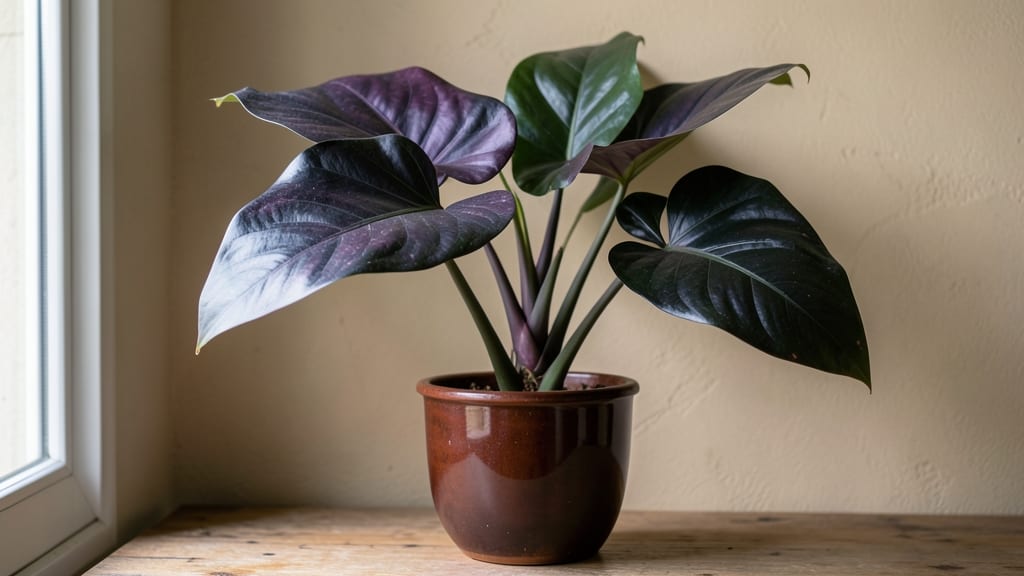
Your Midnight Blue Heart plant could be the showstopper of your indoor jungle—if you nail the care. 💚 This stunning caladium thrives in shady corners where most plants wilt, but it demands specific conditions to keep those dramatic, heart-shaped leaves at their boldest.
The secret lies in mimicking its natural tropical habitat: bright, indirect light (no direct sun), consistently moist but well-draining soil, and humidity levels that make you feel like you're in a greenhouse.
I've learned the hard way that letting it dry out or exposing it to drafts turns those deep blues into sad, yellowed messes. With the right setup, you'll see new leaves unfurling with that signature velvety black-and-blue contrast within weeks.
The plant rewards patience with foliage so striking it feels like wearing a living piece of art. Perfect for bathrooms, north-facing rooms, or shaded patios—just avoid anything colder than 60°F. Let's get those conditions dialed in!
📚 In This Guide
- What you need
- Instructions
- Tips and common mistakes
- Wrapping up and next steps
What you need
- ● Midnight Blue Heart plant (Caladium 'Midnight Blue') – 1 healthy tuber or rooted plant (check for firm, plump tubers with no soft spots).
- ○ Well-draining potting mix – 1 bag (1–2 cubic feet) of moisture-retentive yet aerated mix (e.g., 50% peat moss, 30% perlite, 20% coconut coir). Optional: Add a handful of orchid bark for extra airflow.
- ○ Pot with drainage holes – 1 container (6–8 inches in diameter) with 3+ drainage holes (terracotta or ceramic works best). Optional: Use a cache pot for aesthetics if needed.
- ● Distilled or rainwater – 1–2 gallons (avoid tap water with high chlorine/fluoride). Pro tip: Let tap water sit 24 hours if that’s all you have! 💧
- ● Gloves – 1 pair (to protect hands from oxalates in the plant).
- ● Trowel or small shovel – 1 (for planting tubers gently).
- ● Spray bottle – 1 (for misting leaves and maintaining humidity).
- ○ Humidity tray or pebble tray – 1 (optional but highly recommended for tropical vibes).
- ● Plant label – 1 (to track care notes and watering schedules).
- ● Bright, indirect light – East or north-facing window, or 6–8 hours of filtered light daily. Avoid direct sun! ☀️🚫
- ● Warmth – Ideal temps: 65–80°F (18–27°C). Keep away from drafts or AC vents. ❄️🔥
- ● High humidity – Aim for 50–70%. Use a humidifier or group plants together! 🌧️
Step-by-Step Midnight Blue Heart plant care for stunning growth
This striking plant thrives with just a few key adjustments—let’s keep those deep purple leaves vibrant and lush.
🪴 Step 1: Choose the Right Spot with Bright, Indirect Light
The Midnight Blue Heart (Tradescantia pallida) loves bright, indirect light—think east or west-facing windows, or a few feet back from a south-facing window. Direct sun can scorch those gorgeous leaves, turning them yellow or brown at the edges. I’ve seen this happen when people place it right on a sunny windowsill, so watch for those first signs of stress.
Rotate the pot quarter-turn weekly so all sides get even light exposure. You’ll notice new growth leaning toward the light? That’s your cue to move it slightly. The ideal spot keeps leaves deep purple with no fading or bleaching.
💧 Step 2: Water When the Top 1-2 Inches of Soil Feel Dry
This plant hates soggy soil but also doesn’t like drying out completely. Stick your finger 1-2 inches deep—if it feels dry, it’s time to water. I use room-temperature water and pour until it drains freely from the bottom. No need to let it sit in water; empty the saucer after 10 minutes to prevent root rot.
Overwatering is the biggest mistake—yellowing leaves or mushy stems mean you’re overdoing it. Let the soil dry out slightly between waterings, especially in cooler months when growth slows. You’ll see the difference in healthy, firm stems versus limp, droopy ones.
☀️ Step 3: Feed Monthly During Spring and Summer Growth
Use a balanced liquid fertilizer (like 10-10-10) diluted to half-strength every 4-6 weeks during active growth. I skip fertilizing in fall and winter—this plant rests then. The key is consistency: too much fertilizer burns roots, but too little dulls that vibrant purple color.
Watch for new growth after feeding—if leaves turn pale green, you’re overdoing it. Flush the soil with water after 2-3 feedings to prevent salt buildup. A happy Midnight Blue Heart shows bold, glossy foliage with no yellowing or brown tips.
✂️ Step 4: Prune to Encourage Bushier Growth
Pinch back the tips of leggy stems to encourage branching. I do this in early spring, cutting just above a leaf node with clean scissors. Don’t worry—this plant grows back fast! You’ll see new shoots forming within 2-3 weeks if you prune regularly.
Remove any yellow or damaged leaves immediately—they drain energy. Propagate those cuttings in water if you want more plants! Healthy growth means compact, vibrant stems with no bare spots.
🌿 Step 5: Watch for Pests and Act Fast
Check the undersides of leaves weekly for spider mites or mealybugs—common pests that love this plant. Wipe leaves with a damp cloth if you spot dust, which blocks light. I’ve used neem oil spray for pests, but mild cases respond to a strong spray of water.
Isolate new plants for a week if pests appear—they spread fast. A thriving Midnight Blue Heart repels most problems, but early action keeps those leaves bold and pest-free.
Tips & tricks for perfect Midnight Blue Heart plant care
Keeping your Midnight Blue Heart vibrant takes just a few smart adjustments—here’s how to avoid common pitfalls and get that showstopping purple foliage.
Light Rotation Secret: That weekly quarter-turn rotation in Step 1 isn't just about even growth—it's your early warning system. If you notice new shoots stretching toward one side after just a few days, move the plant immediately. The goal is to prevent that "one-sided" look where leaves lean dramatically toward the light, which dulls their color. Think of it like turning a book so all pages get equal sunshine!
Soil Test Trick: For the 1-2 inch soil check in Step 2, I press my finger in gently—if the top layer feels dry but the second inch still holds moisture, that's your perfect watering signal. The key is consistency: aim for soil that's like a wrung-out sponge. Overwatering is the silent killer here, so when in doubt, wait another day. You'll know you're doing it right when the stems stay firm and upright.
Fertilizer Timing Tip: The 4-6 week feeding window in Step 3 gives you flexibility, but here's the pro move: feed right after repotting or pruning. This gives the plant energy to recover and grow. And that half-strength dilution? It's non-negotiable—full-strength fertilizer will burn those delicate roots faster than you can say "pale leaves." Always mix your fertilizer in a separate container first to avoid overconcentrating.
Pruning Payoff: When you pinch those leggy stems in Step 4, save the cuttings! Place them in a glass of water with just the bottom inch submerged—you'll see roots forming in about 2-3 weeks (same timeframe as new shoots appearing). This gives you free plants while encouraging bushier growth in your original. Just remember: always cut just above a leaf node where new growth emerges.
Pro Tips for Midnight Blue Heart Plant Care
- Keeping your Midnight Blue Heart vibrant takes just a few smart adjustments—here’s how to avoid common pitfalls and g...
- Light Rotation Secret: That weekly quarter-turn rotation in Step 1 isn't just about even growth—it's your early warni...
- Soil Test Trick: For the 1-2 inch soil check in Step 2, I press my finger in gently—if the top layer feels dry but th...
Frequently asked questions
about your Midnight Blue Heart (Tradescantia pallida 'Blue') plant—because even the boldest foliage needs a little TLC! Here are answers to the most common queries to keep your plant thriving.How often should I water my Midnight Blue Heart plant?
Water your plant when the top 1-2 inches of soil feel dry—usually every 7-10 days, depending on humidity and light. Overwatering is the #1 killer, so always use a pot with drainage holes to avoid soggy roots. Pro tip: Stick your finger in the soil to check moisture!
Why are the leaves turning brown or crispy?
Brown or crispy edges often mean low humidity or underwatering. Boost humidity with a pebble tray or humidifier, and mist leaves occasionally. If the brown spots are mushy, you’re overwatering—let the soil dry out more between waterings.
Can I grow Midnight Blue Heart in low light?
While it can survive in low light, it’ll grow leggy and sparse. Aim for bright, indirect light (e.g., near a north-facing window) for vibrant, compact foliage. If leaves fade, it’s begging for more light—rotate the pot weekly for even growth!
How do I propagate Midnight Blue Heart?
Propagating is easy! Snip a 4-6 inch stem with a few leaves, remove the lower leaves, and place it in water or moist soil. Roots form in 2-3 weeks. For faster results, use rooting hormone. Bonus: This plant thrives in water long-term!
What pests should I watch for?
Keep an eye out for spider mites (tiny webs) and mealybugs (cottony clusters). Wipe leaves with a damp cloth or spray with neem oil. Isolate the plant early to prevent spreading—your other houseplants will thank you!
Still stumped? Drop your question in the comments—we’re here to help your Midnight Blue Heart shine!
Wrapping up and next steps
Caring for your Midnight Blue Heart plant is all about balance—giving it the right light, water, and love to keep those stunning blue-green leaves thriving. With the tips you’ve learned, you’re well on your way to nurturing a showstopper that’ll turn heads in any space! 🌿✨
Now that you’re equipped with the know-how, why not share your progress? Snap a pic of your plant’s growth journey and tag us—we’d love to see your Midnight Blue Heart flourish! And if you’re ready to expand your plant family, consider adding another striking variety to your collection.