
Planting
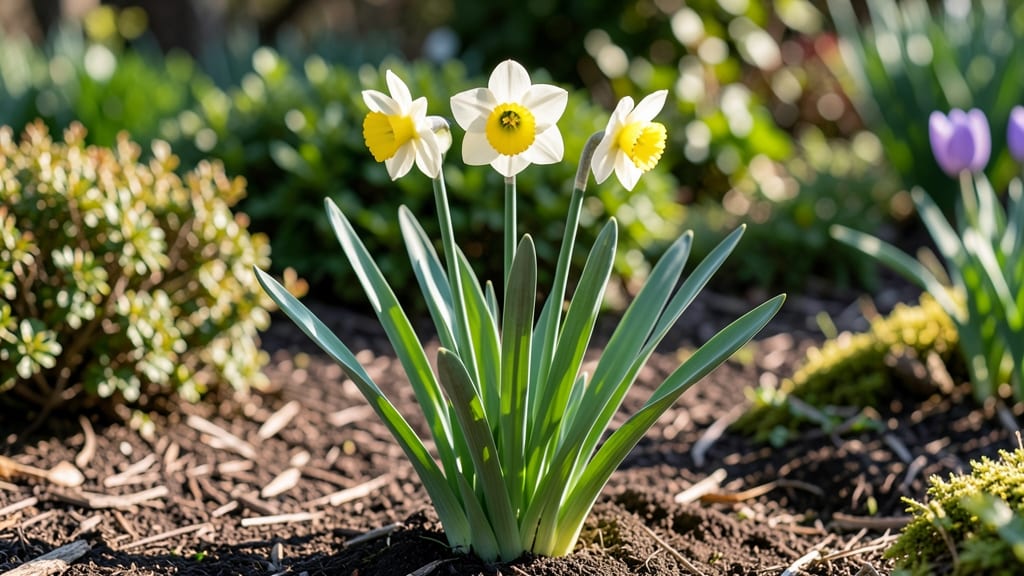
Hybrid narcissus daffodils multiply like wildfire—one bulb becomes dozens over time. 🌱 I’ve watched my clumps triple in size every few years, and the secret lies in how you plant them.
These aren’t your average daffodils; their hybrid vigor means bigger blooms, longer stems, and a showier display that starts in early spring. The key is well-draining soil mixed with compost, planting bulbs 6-8 inches deep and 4-6 inches apart in fall.
They thrive in full sun but tolerate partial shade, and once established, they’ll naturalize beautifully—returning year after year with minimal effort. Water them deeply after planting, then let nature take over.
By spring, you’ll see bold, vibrant blooms that outshine standard daffodils, and the foliage stays green longer, feeding next year’s flowers. The best part? Those extra bulbs you dig up can be shared with friends—or planted elsewhere in your garden.
Avoid overwatering in summer (let the soil dry slightly), and divide clumps every 3-5 years to keep them vigorous. With these simple steps, your hybrid narcissus will become the star of your spring garden.
📚 In This Guide
- What you need
- Instructions
- Tips and common mistakes
- Wrapping up and next steps
What you need
- ● Narcissus hybrid daffodil bulbs: 10–20 bulbs (choose healthy, firm bulbs with no soft spots or mold).
- ● Well-draining potting mix or garden soil: 5–10 gallons (amend garden soil with compost for better drainage).
- ● Organic fertilizer (balanced 10-10-10 or bulb-specific): 1–2 cups (slow-release or granular).
- ● Mulch (straw, pine needles, or shredded bark): 2–3 inches (to protect bulbs in winter).
- ● Garden trowel or bulb planter: For digging holes (6 inches deep).
- ● Gloves: Heavy-duty to protect hands from sharp bulb edges.
- ● Watering can or hose with gentle spray: Avoid soaking the soil.
- ● Measuring tape or ruler: To space bulbs 4–6 inches apart.
- ○ Optional: Bulb fertilizer spikes (for convenience).
- ● Soil moisture meter (to monitor watering needs).
- ● Plant labels (to track varieties).
- ● Sunlight: Full sun to partial shade (6+ hours of sunlight daily).
- ● Location: Raised beds or slopes (if drainage is poor in your area).
- ● Patience: Daffodils thrive with minimal fuss but take 2–3 years to fully naturalize!
Step-by-step guide to growing narcissus hybrid daffodils
Here's how I grow these showstopping blooms—with a trick to multiply them naturally over time.
🌱 Step 1: Choose the Right Location and Soil
Narcissus hybrids thrive in full sun to partial shade, with at least 6 hours of direct light daily. I always pick a spot where they won’t be disturbed—they multiply best when left undisturbed for years. The soil should drain exceptionally well; these bulbs rot quickly in soggy conditions.
Amend heavy clay soil with 2-3 inches of coarse sand or grit to improve drainage. If your soil is sandy, work in 2 inches of compost to retain some moisture. Test your site by digging a hole—if water pools after 30 minutes, you need better drainage. A slight slope helps excess water run off naturally.
🪴 Step 2: Plant Bulbs at the Correct Depth and Spacing
Plant narcissus bulbs in fall, 6-8 weeks before the first frost, when soil temperatures drop below 60°F. Dig holes 6 inches deep—about three times the bulb’s height—and space them 4-6 inches apart in rows 12 inches apart for optimal airflow.
Place one bulb per hole with the pointed end facing up. If bulbs are clustered, separate them gently but don’t break the basal plate (the flat bottom). Cover with soil and water deeply to settle it around the bulbs. Mulch lightly with 2 inches of shredded bark to protect from winter temperature swings.
⏰ Step 3: Provide Winter Care and Spring Maintenance
After planting, let nature take its course—no watering until spring growth appears. In colder climates, add 4-6 inches of mulch after the ground freezes to insulate bulbs. In mild winters, a 2-inch mulch layer prevents soil heaving when temperatures fluctuate.
When shoots emerge in early spring, remove the mulch and water lightly to encourage root growth. Avoid heavy watering until blooms appear—wet soil early in the season can weaken stems. Fertilize lightly with a balanced 10-10-10 formula when foliage reaches 6 inches tall, but don’t overdo it.
🌿 Step 4: Support Natural Multiplication and Reblooming
Here’s the secret to multiplying your daffodils: Let the foliage fully mature after blooming. Don’t cut back leaves until they yellow and wither naturally—this ensures the bulb stores enough energy for next year’s flowers. In fact, I mark the spot with a stake so I remember not to disturb them.
After 6-8 weeks of full foliage growth, the bulbs will have produced 2-4 offsets (baby bulbs) around the parent. In late summer, carefully dig up clusters, separate the offsets, and replant them 2 inches deeper than the original bulbs. This encourages stronger root systems for next season’s blooms.
☀️ Step 5: Enjoy Bold Blooms and Plan for Next Year
Narcissus hybrids reward patience with 3-5 weeks of vibrant blooms in late winter to early spring. Deadhead spent flowers to redirect energy to bulb growth, but leave the foliage until it yellows completely. This is when the magic happens—the bulbs multiply while storing nutrients for future displays.
For a showstopping effect, plant in odd-numbered groupings (3, 5, or 7 bulbs per cluster). The more you divide and replant offsets, the faster your garden fills with color. I’ve seen a single bulb become a dozen in just three years—nature’s way of rewarding good care.
Tips & tricks for perfect narcissus hybrid daffodil growth
These insights will help you cultivate showstopping daffodils that multiply beautifully over time.
Location and Drainage: The 6 hours of daily sunlight is non-negotiable for vibrant blooms—position your garden where they’ll receive morning sun and afternoon shade if temperatures climb above 80°F. For drainage, I’ve found that incorporating 2-3 inches of coarse sand into heavy clay soil creates tiny air pockets that prevent rot. Test your site by digging a hole and observing how quickly water drains; if it pools after 30 minutes, you’ll need to improve drainage further with additional grit or raised beds.
Planting Precision: When planting in fall, aim for that 60°F soil temperature—it’s the sweet spot for root establishment before winter. I’ve learned the hard way that planting too early (when soil is still warm) can cause premature sprouting. For spacing, think of a checkerboard pattern: 4-6 inches apart between bulbs and 12 inches between rows. This creates airflow that prevents fungal issues while allowing room for future offsets to grow without crowding.
Winter Protection Strategy: The mulch thickness matters—4-6 inches in cold climates acts like a thermal blanket, while 2 inches in mild winters prevents soil heaving without smothering the bulbs. I use shredded bark because it breaks down slowly, adding organic matter to the soil over time. In particularly harsh winters, I’ve added a layer of straw on top of the bark for extra insulation, especially if temperatures are forecasted to drop below 10°F.
Reblooming Secret: That 6-8 week foliage maturation period is when the magic happens—it’s the bulb’s chance to photosynthesize and store energy for next year’s blooms. I’ve seen gardeners cut back foliage too soon, which results in fewer or no flowers the following spring. Mark your planting spots with stakes or flags so you remember not to disturb them until the leaves have completely yellowed and withered naturally.
Pro Tips for Narcissus Hybrid Daffodil
- These insights will help you cultivate showstopping daffodils that multiply beautifully over time.
- Location and Drainage: The 6 hours of daily sunlight is non-negotiable for vibrant blooms—position your garden where ...
- Planting Precision: When planting in fall, aim for that 60°F soil temperature—it’s the sweet spot for root establishm...
Frequently asked questions
When is the best time to plant Narcissus hybrid daffodils?
Plant them in fall (6–8 weeks before the ground freezes) for spring blooms. Bulbs need cold stratification to thrive. Avoid planting in late fall or spring—they won’t establish roots in time. Pro tip: Use a soil thermometer to aim for 40–50°F (4–10°C) soil temps for ideal planting!
Why aren’t my daffodils multiplying like they should?
Daffodils spread via offsets, but slow growth often means poor soil, shade, or overcrowding. Ensure they get full sun (6+ hours/day) and well-draining soil. Dig up and separate bulbs every 3–5 years to boost offsets. Avoid fertilizing right after planting—wait until spring when shoots emerge!
Can I grow Narcissus hybrid daffodils in containers?
Use a deep pot (12+ inches) with drainage holes and a mix of potting soil + perlite. Plant 3–5 bulbs per 10-inch container for a full look. Move pots to bright light in winter (they need dormancy). Water sparingly in dormancy—overwatering = rot!
How do I protect daffodils from pests like squirrels or deer?
Squirrels and deer love daffodil bulbs! Deter them with:
- Chicken wire (bury around planting area).
- Repellents like hot pepper spray (reapply after rain).
- Plant companions like alliums or fritillaries (toxic to critters).
What should I do if my daffodils look wilted after blooming?
Don’t panic! Wilting after flowering is normal—they’re entering dormancy. Stop watering and leave foliage until it yellows (6+ weeks). This feeds the bulb for next year. Avoid cutting back early—it weakens the plant!
Wrapping up and next steps
Narcissus hybrid daffodils are a gardener’s dream—easy to grow, stunning to behold, and eager to multiply! 🌱 With the right soil, sunlight, and a little patience, these bold blooms will reward you with vibrant displays year after year.
Whether you’re a beginner or a seasoned green thumb, embrace the joy of natural propagation and let your garden flourish.
Ready to dive in? Start by planting a few bulbs this fall—your future garden will thank you! For even more tips, explore local gardening forums or check out nursery recommendations to find the perfect hybrids for your space.