
Planting
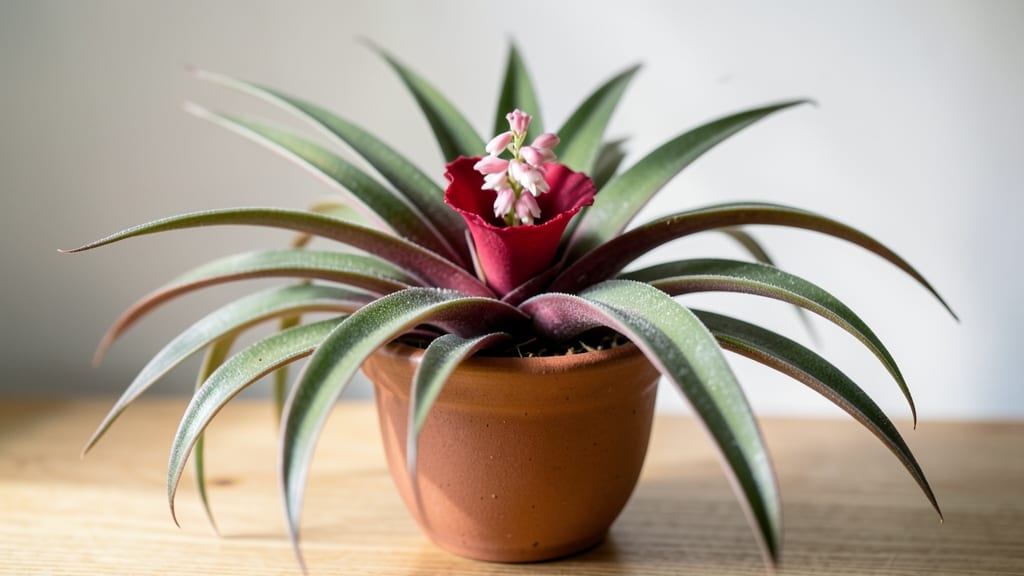
My octopus air plant has more personality than any other plant I've grown—those curly tendrils and silvery-blue leaves make it impossible to ignore. 🌿 Unlike traditional plants, this Tillandsia thrives without soil, which means it’s perfect for small spaces, busy schedules, and even offices where potted plants would struggle.
The secret to keeping it happy is simple: bright, indirect light and the right watering routine. Too much water causes rot, but too little makes the leaves crispy.
I’ve found that soaking once a week (or misting daily in dry climates) keeps it lush and vibrant, while its airy roots drink up moisture without needing dirt. By summer, you’ll see those tendrils grow longer and fuller, with tiny pink blooms appearing on mature plants.
The best part? It’s nearly indestructible—just avoid cold drafts and direct sun, and it’ll reward you with years of low-maintenance beauty. Whether you’re a beginner or a plant parent looking to expand your collection, this guide covers everything from repotting to propagation. Let’s get that octopus thriving!
📚 In This Guide
- What you need
- Instructions
- Tips and common mistakes
- Wrapping up and next steps
What you need
- ● Octopus Air Plant (Tillandsia ionantha) – 1 healthy specimen (look for vibrant green leaves and no brown spots!)
- ● Spray Bottle (8–16 oz) – For misting (choose one with a fine-mist nozzle for even coverage)
- ○ Decorative Holder or Mounting Base – Optional but fun! Think driftwood, rocks, or a stylish planter (ensure it’s well-ventilated)
- ● Room-Temperature Water – Filtered or rainwater is ideal (tap water works in a pinch, but avoid hard water)
- ● Air Plant Fertilizer – A diluted, balanced liquid fertilizer (like Maxsea or Floragro) for extra nutrients (use sparingly!)
- ● Humidity Tray – If your home is dry, a pebble tray with water can boost moisture levels
- ● LED Grow Light (Low-Intensity) – For low-light areas (10–12 hours of indirect light daily)
- ● Tweezers or Soft Brush – To gently remove dust or debris from leaves
Step-by-step guide to growing and caring for octopus air plants
Air plants like Tillandsia ionantha (octopus air plants) thrive without soil—here’s how to keep yours lush and happy.
🪴 Step 1: Choose the Right Container and Display
Octopus air plants love airflow and indirect light, so pick a container with drainage holes or a decorative holder that lets moisture escape. I use glass terrariums or ceramic pots with holes to prevent rot. Avoid sealed containers—humidity buildup leads to mold and root rot.
Place your plant in a spot with bright, indirect light—think east or north-facing windows or under a grow light. Too much direct sun scorches the leaves, while dim light causes them to stretch and lose color. You’ll know it’s happy when the leaves stay vibrant green and firm to the touch.
💧 Step 2: Water Properly for Optimal Health
Octopus air plants absorb water through their leaves, so soaking once a week is ideal. Fill a clean bowl with room-temperature water, submerge the plant for 10-15 minutes, then let it drain completely. Never let it sit in standing water—this causes rot.
After soaking, gently shake off excess water and place it upright in its container. You’ll notice the leaves perk up within hours—that’s your sign the watering was successful. In winter, cut back to every 10-14 days since cooler air slows evaporation.
☀️ Step 3: Provide the Right Light and Humidity Balance
These plants need moderate to bright indirect light—think 5000-10000 lux (similar to a few feet from a window). If leaves turn silver or brown, it’s getting too much sun. If they stretch or pale, it needs more light. A grow light on a timer works great for indoor setups.
Humidity matters too. In dry climates, mist the plant 2-3 times a week or place it on a pebble tray with water. Just avoid soggy conditions—air plants hate sitting in waterlogged environments. You’ll see happy growth when the leaves stay plump and green.
✂️ Step 4: Prune and Divide When Needed
Octopus air plants produce pups (baby plants) at the base—these are easy to separate when they reach about ⅓ the size of the mother plant. Use clean scissors to snip the pup away, then let the cut ends dry for 24 hours before replanting. This keeps both plants healthy and encourages new growth.
If a leaf turns brown or crispy, trim it off with scissors to keep the plant tidy. Dead leaves won’t harm the plant, but removing them prevents pests from hiding. You’ll know your plant is thriving when it produces 2-4 pups per year—a sign of good health.
⏰ Step 5: Monitor and Adjust Seasonally
In spring and summer, water more frequently (every 5-7 days) and fertilize with a diluted air plant fertilizer once a month. In fall and winter, reduce watering to every 10-14 days and skip fertilizer—these plants rest during cooler months.
Watch for signs of stress: wrinkled leaves mean underwatering, while soft or mushy leaves mean overwatering. Adjust your care routine based on what you see. With the right balance, your octopus air plant will stay vibrant for years—no soil required!
Tips & tricks for perfect octopus air plant care
Here's what nobody tells you about keeping these fascinating plants thriving without soil.
Container Selection: Glass terrariums may look pretty, but they can trap too much humidity. I prefer ceramic pots with drainage holes—they allow airflow while preventing rot. For a creative twist, try mounting your plant on driftwood or cork slices, which mimics their natural epiphytic habitat. Just make sure whatever you choose allows excess water to evaporate quickly.
Watering Technique: The 10-15 minute soak is your sweet spot—any longer risks rot, while shorter soaks won't fully hydrate the leaves. I use a clean glass bowl filled with room-temperature water and add a splash of diluted air plant fertilizer during growing season. After soaking, I give the leaves a gentle shake to remove excess water, then place it upright to dry completely. This prevents those dreaded brown tips that ruin the look.
Lighting Secrets: That 5000-10000 lux range is perfect, but here's the trick: rotate your plant every few weeks so all sides get even light exposure. South-facing windows can be too intense—if you notice silver or brown spots, move it back a foot or add sheer curtains. For indoor setups, LED grow lights on a 12-hour timer work wonders, especially in winter when natural light is scarce.
Pup Propagation: When those pups reach about ⅓ the size of the mother plant, they're ready to separate. I wait until they've developed at least 3-4 leaves of their own before snipping. After cutting, let both ends dry for 24 hours—this prevents rot and helps them establish faster. You'll be amazed how quickly these little plants grow once they're on their own!
Pro Tips for Octopus Air Plant
- Here's what nobody tells you about keeping these fascinating plants thriving without soil.
- Container Selection: Glass terrariums may look pretty, but they can trap too much humidity.
- Watering Technique: The 10-15 minute soak is your sweet spot—any longer risks rot, while shorter soaks won't fully hydrate the leaves.
Frequently asked questions
Got questions about keeping your octopus air plant happy and healthy? You’re not alone! Here are some of the most common concerns—plus quick, easy answers to keep your plant thriving.
How often should I mist my octopus air plant?
Mist your octopus air plant every 2–3 days (or daily in dry climates). Since they’re epiphytes, they rely on humidity. For extra moisture, place it on a pebble tray or group it with other plants. Pro tip: Avoid soggy leaves—tap excess water off after misting to prevent rot.
Can I leave my octopus air plant in the same spot forever?
While they’re low-maintenance, rotate your plant every few weeks for even growth. Direct sunlight can scorch leaves, while dim light slows growth. A bright, indirect spot (like a north-facing window) is ideal. If leaves turn brown, it’s a sign to adjust lighting or misting.
What if my octopus air plant’s leaves turn brown?
Brown tips usually mean too much sun, low humidity, or salt buildup from tap water. Move it to indirect light, rinse leaves with distilled water, and increase misting. If the whole leaf browns, it may be dying—trim it off with clean scissors. Prevent it: Use filtered or rainwater!
Do I need to fertilize my octopus air plant?
Yes! Feed it once a month during spring/summer with a diluted air plant fertilizer (¼ strength). Skip fertilizing in winter. Over-fertilizing burns roots—always rinse after feeding. Alternative: Use weak, organic compost tea for a natural boost.
Can I keep my octopus air plant in a bathroom or kitchen?
Bathrooms (with humidity) and kitchens (with indirect light) are great spots. Just avoid direct steam (like a shower) or cooking fumes, which can harm leaves. A well-ventilated space keeps it thriving—just mist regularly.
Wrapping up and next steps
Caring for an octopus air plant is all about embracing its low-maintenance charm while giving it the love it thrives on—no soil required! 🌿 With the right balance of light, water, and occasional grooming, this unique plant can flourish in nearly any corner of your home.
Whether you're a seasoned plant parent or a beginner, these tips will help you keep your air plant happy and vibrant for years to come.
Ready to take the next step? Experiment with styling! Hang it in a macramé holder, mount it on a driftwood slice, or even display it in a terrarium. The possibilities are endless—let your creativity bloom! 🌟