
Planting
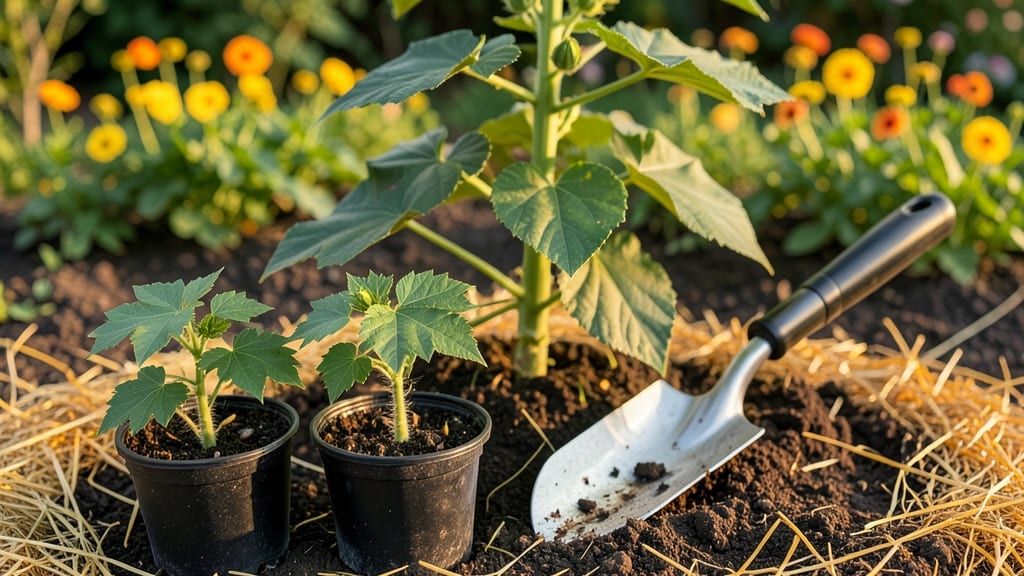
Sowing okra at the right time means the difference between a thriving garden and a missed harvest—especially when heat and humidity are on your side.
Picture this: you’ve prepped the soil, chosen the perfect spot, and your seeds are ready. But if you plant too early, the cold will stall germination, and if you wait too long, the summer rush might leave you scrambling.
Timing is everything, and getting it right ensures your 🌱 okra grows tall and productive.
In USDA Zone 6 and warmer, the ideal window is after your last frost—typically late spring to early summer. But cooler regions need a slightly different approach, and soil temperature plays a bigger role than you might think. A few degrees too chilly, and your seeds won’t even sprout.
Below, I break down the exact months for your zone, soil prep secrets, and spacing tips to maximize your yield. No guesswork—just a foolproof plan for a garden full of okra pods.
Best okra sowing months by USDA plant hardiness zones
Okra thrives in warm weather, making your USDA zone the key factor for timing. Plant too early, and you risk stunted growth or no harvest at all. Too late, and your season cuts short before pods mature.
Let’s break down the exact months for each zone—plus how to adjust for microclimates like urban heat islands or coastal breezes.
Okra seeds need soil temperatures above 70°F to germinate reliably. In cooler zones (3-7), wait until after your last frost date and when nighttime temps stay above 60°F.
Warmer zones (8-11) can start earlier, but avoid planting when humidity spikes above 80%, which invites fungal diseases like powdery mildew.
Direct sowing is best—okra hates transplant shock. If you start indoors, only do so 2-3 weeks before your zone’s ideal outdoor window. Below is your zone-by-zone planting calendar, including frost-free date calculations and regional tweaks.
For Zones 3–5, where summers are short, prioritize fast-maturing varieties like ‘Clemson Spineless’ (50–55 days). Plant seeds 1 inch deep and space them 12–18 inches apart in rows 3 feet apart. Use row covers at night if temps dip below 55°F.
In Zones 6–7, aim for late May planting to catch the full summer heat. If your area has humid summers, like the Southeast, space plants 2 feet apart for airflow and apply mulch to prevent soil splashing. Varieties like ‘Emerald’ (60 days) thrive here with minimal fuss.
Southern gardeners in Zones 8–11 have the luxury of year-round planting. Start seeds in January for early harvests, then succession plant every 2 weeks until fall. Choose heat-tolerant varieties like ‘Jinhee’ or ‘Burgundy’ for extended production. In Zone 11, okra grows wild—just keep seeds coming!
Pro tip: Check your local frost dates via the USDA Plant Hardiness Map or Almanac’s Frost Calculator. Add 2–4 weeks to the last frost date for your okra’s soil warmth window.
For example, if your last frost is April 15, wait until May 1 to plant in Zone 6.
Okra’s germination takes 5–10 days in ideal conditions. If your soil stays below 70°F for more than a week, use a seedling heat mat ($15–$20) to jumpstart growth. Once sprouted, keep soil consistently moist—not soggy—to avoid damping-off disease.
Microclimates matter! Urban areas with concrete heat can plant 2 weeks earlier than rural zones. Coastal regions with cool ocean breezes may need to delay by 1–2 weeks.
Observe your garden’s sun exposure patterns: Okra needs full sun (6+ hours), but afternoon shade helps in Zones 9–11 during peak summer.
Remember: Okra’s harvest window is short—just 60–90 days from planting. Time your sowing so pods mature before first frost. In Zones 3–5, this means planting by early July at the
How to time okra planting for maximum heat tolerance
Okra thrives in heat and humidity, but planting it too early can trigger bolting—when the plant flowers and sets seed prematurely. The key is waiting until your soil reaches 70°F+ and stays consistently warm.
Cold soil slows germination and stresses young plants, leading to stunted growth or even death in extreme cases.
I’ve learned the hard way that rushing okra into the ground before the soil warms can turn your bountiful harvest dreams into a patch of sad, leggy plants. The secret lies in understanding seed viability windows and matching them with your local climate.
Let’s break down the exact steps to nail your okra planting timing for peak heat tolerance.
- 1 Wait for soil temps of 70°F+—use a soil thermometer to confirm. Okra seeds won’t germinate well below this threshold, and young plants will struggle.
- 2 Plant early-season varieties (like ‘Clemson Spineless’) 2-3 weeks before your last frost date if you’re in a warm zone. Late-season types (e.g., ‘Emerald’) can handle slightly cooler starts but still need heat to thrive.
- 3 Avoid transplant shock—okra hates being moved. Direct-sow seeds 1/2 inch deep in warm soil for best results. If starting indoors, wait until nighttime temps stay above 60°F before transplanting.
- 4 Adjust for humidity—okra loves moisture in the air but not soggy soil. In high-humidity zones, plant on dry days to prevent fungal diseases like powdery mildew, which thrive in damp conditions.
- 5 Use black plastic mulch to warm soil faster and retain moisture. This trick can shave 1-2 weeks off your planting timeline in cooler regions.
For northern climates, I recommend starting seeds indoors under grow lights 4-6 weeks before your last frost date, then transplanting after soil temps hit 75°F+.
In southern zones, you can direct-sow as early as March, but be prepared for a longer growing season to avoid bolting before harvest.
One pro tip I’ve picked up from experienced gardeners: test your soil’s warmth by pressing your hand into the ground. If it feels comfortably warm to your bare skin (like a hot bath), it’s ready for okra.
Pair this with a seed viability test—soak a few seeds overnight, and if they swell, they’re ready to plant.
Remember, okra’s heat tolerance is its superpower, but timing is everything. By following these steps, you’ll give your plants the best shot at thriving—no more sad, stunted okra plants in your garden! 🌱