
Planting
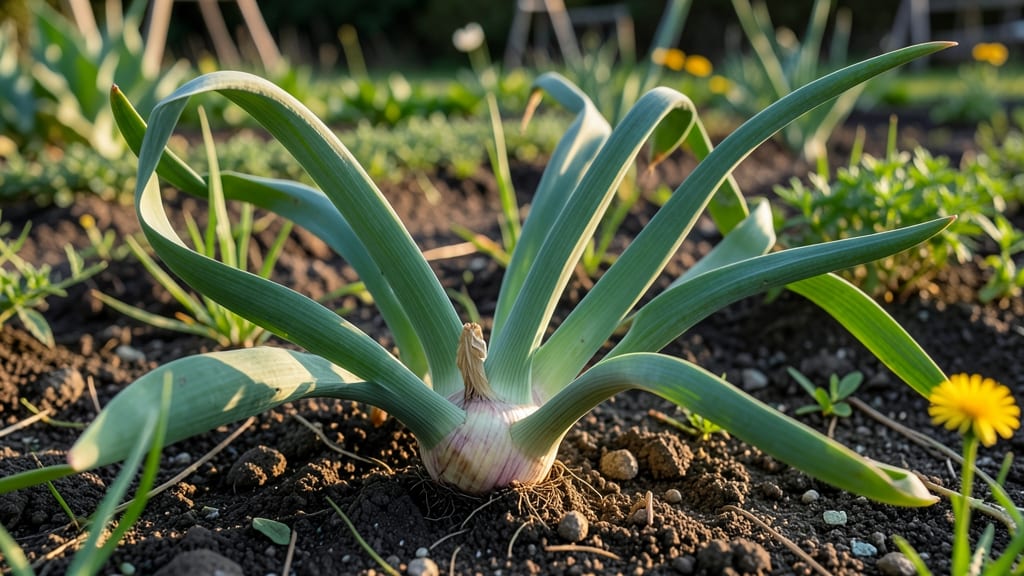
Onion plants weed is the silent thief of your harvest—those sneaky volunteers and crabgrass can strangle your onions before they even get established. 🌱 I’ve lost entire rows to wild onions and grassy invaders that look like the real deal until you dig deeper, and I’m here to show you how to spot them early before their roots tangle with your crop.
The worst offenders are wild onions (they smell like onions but multiply like weeds) and crabgrass (which spreads faster than you can pull it). Both steal nutrients and water, leaving your onions stunted or hollow.
The key is acting fast—once weeds establish roots, they’re nearly impossible to remove without damaging your onions.
You’ll learn to pull weeds when the soil is moist (so roots come out clean), use mulch to smother new sprouts, and plant onions with enough space to avoid competition.
Organic options like vinegar spray work for young weeds, while pre-emergent herbicides in early spring can block crabgrass before it starts.
This isn’t just about saving your harvest—it’s about giving your onions the head start they need. With the right timing and techniques, you’ll keep your rows weed-free and your onions thriving all season long.
Root Causes of Unwanted Growth
If your onion plants are battling unwanted weeds, understanding the why behind their persistence is the first step to reclaiming your garden. Weeds thrive in onion patches for specific, science-backed reasons—often tied to soil conditions, planting habits, or environmental factors.
Below, we break down the key culprits and how they create the perfect storm for weeds to take over.
Weeds love disturbed soil, and onion beds are prime real estate for them. When soil is tilled or dug up—whether for planting onions or previous crops—it exposes buried weed seeds to sunlight and moisture, triggering germination.
Onions, like many alliums, prefer well-drained, loose soil, but this same condition gives weeds like chickweed or crabgrass an unfair advantage.
Why it happens:
- Seed exposure: Tilling can bring dormant weed seeds from deep in the soil to the surface, where they sprout within days.
- Nutrient competition: Loose soil retains moisture longer, giving weeds a head start in absorbing water and nutrients before onions establish roots.
- Microclimate shifts: Disturbed soil warms up faster, speeding up weed seed germination (some species germinate at soil temps as low as 50°F).
Actionable fix: Use no-till gardening techniques like mulching or planting onions in undisturbed soil. If tilling is necessary, do it in late fall or early spring (when weed seeds are dormant) and cover the soil with cardboard or thick mulch to block light.
Onions need consistent moisture, but too much water—or uneven watering—creates a weed paradise. Excessive irrigation (or rain) washes away soil nutrients, leaving gaps where weeds like dandelions or nutsedge can take root. Meanwhile, dry spells followed by sudden downpours signal weeds to germinate en masse.
Why it happens:
- Moisture triggers: Many weed seeds require specific moisture levels to germinate. For example, purslane germinates best in wet soil, while lambsquarters thrives in damp conditions.
- Nutrient leaching: Overwatering flushes out nitrogen and phosphorus, which weeds then compete aggressively to reclaim.
- Shallow root zones: Weeds often develop shallow, fibrous roots that access surface water first, outpacing onions.
Actionable fix:
- Install a drip irrigation system to deliver water slowly and evenly at the base of plants.
- Water early in the morning to reduce evaporation and fungal risks.
- Use mulch (straw or grass clippings) to retain moisture without over-saturating the soil.
Onions grow best in full sun (6+ hours daily), but weeds often outcompete them for light by growing taller or faster. Shady spots (like under tall weeds or dense foliage) create microclimates where bindweed or clover thrive, while onions struggle to photosynthesize efficiently.
Why it happens:
Actionable fix:
Without a physical barrier, weeds infiltrate onion beds effortlessly. Wind-blown seeds, animal droppings (birds, squirrels), and even your shoes can introduce new weeds into your garden. Without mulch or landscape fabric, these invaders take root and spread.
- Seed dispersal: Weeds like cheatgrass produce thousands of seeds that hitchhike on clothing, tools, or animals.
- Empty niches: Bare soil between onion rows creates open space where weeds fill the gap for nutrients and water.
- Slow onion growth: If onions are stressed or diseased, they can’t compete with weeds for space.
Actionable fix:
- Lay down landscape fabric before planting, with 1–2 inches of mulch on top.
- Use straw or pine needles (avoid grass clippings, which can introduce new weeds).
- Create physical barriers like black plastic mulch (for heat-loving weeds) or cardboard (to smother existing weeds).
💡 Pro Tip: Rotate your onion planting locations yearly to break weed life cycles. Many weeds (like quackgrass) have deep roots and return to the same spot if given the chance!
Tackle Unwanted Growth Now
If you’ve spotted onion plant weeds creeping into your garden, don’t panic—act fast to stop them before they take over. The key is identifying the cause and applying the right fix.
Below, we break down common triggers and practical solutions to reclaim your garden. Plus, we’ll share easy prevention tips to keep your plants thriving.
When onion plants grow too close together, they compete for nutrients and space, leaving gaps where weeds love to sprout. Fix it:
- 🔪 Pull weeds by hand—Grab them at the base (including roots) to prevent regrowth. Early morning or after rain makes this easier.
- 🌱 Adjust spacing—Plant onions 4–6 inches apart to reduce competition. Use mulch (straw or grass clippings) to block sunlight from weed seeds.
- ⏰ Schedule regular checks—Weeds grow fast! Inspect your garden weekly and remove any new sprouts before they mature.
💡 Pro Tip: Use a hoe to cut weeds at the soil line if hand-pulling isn’t feasible. This disrupts their growth without disturbing your onion plants.
Weedy patches often thrive in soil lacking organic matter or proper drainage. Fix it:
- 🌡️ Test your soil—Use a DIY kit or send a sample to a local extension office. Aim for a pH of 6.0–7.0 for onions.
- 🥗 Amend with compost—Mix in 2–3 inches of well-aged compost or aged manure to improve fertility and suppress weeds naturally.
- 🎯 Mulch heavily—Apply a 2–3 inch layer of organic mulch (like straw or wood chips) to smother weeds and retain moisture.
✨ Bonus: Add a thin layer of corn gluten meal (a natural pre-emergent) in early spring to prevent weed seeds from germinating.
Weeds flourish when gardens are ignored. Fix it:
- 🌱 Water wisely—Deep, infrequent watering encourages strong onion growth, which outcompetes weeds. Avoid overwatering, which creates ideal conditions for weed seeds.
- 🔄 Rotate crops—Plant onions in different spots each year to disrupt weed cycles and reduce soil-borne pests.
- 🛡️ Use landscape fabric—Lay fabric under mulch in high-weed areas (like paths) to block light and prevent sprouts.
💡 Pro Tip: Grow onions in containers if your garden soil is a battleground. This keeps weeds at bay while giving you full control over soil quality.
Once you’ve cleared the weeds, lock in your progress with these habits:
- 🌿 Start clean—Remove weeds before planting onions. Even small sprouts can spread.
- 📅 Plant cover crops—Grow clover or rye in off-seasons to crowd out weeds and enrich the soil.
- 🧹 Clean tools & clothing—Weed seeds hitchhike easily. Rinse tools with water and shake off dirt after gardening.
- 🔄 Harvest promptly—Pull up spent onion plants (and their roots) to deny weeds a foothold.
With consistent effort, your onion patch will stay weed-free—and your harvest will thank you!
Frequently asked questions
How do I tell the difference between onion plants and wild onion weeds?
Wild onions (like Allium vineale) have long, grass-like leaves and a bulb at the base—often smaller than your cultivated onions. The key difference is the flower: wild onions produce star-shaped white blooms, while garden onions focus on bulb development. Pull any plants with flowers immediately to stop seed spread.
Can I use vinegar to kill weeds around my onion plants?
Yes, but with caution! A 1:1 vinegar-water mix (5% acetic acid) works on young weeds, but avoid spraying near onion leaves—it can cause burn damage. Target only the weed bases on dry, sunny days. For stubborn weeds, repeat every 3-5 days until they wilt.
Why do weeds keep coming back after I pull them?
Weeds like crabgrass and nutsedge have deep roots or spread via runners. If you don’t remove the entire root system, they’ll regrow. For persistent weeds, try smothering with cardboard (covered by mulch) or apply corn gluten meal in early spring to prevent new seeds from sprouting.
Is it safe to use herbicides around onion plants?
Never use glyphosate-based herbicides (like Roundup) near onions—they’re sensitive to systemic chemicals. For spot treatment, choose vinegar or boiling water (pour on weed bases). If using pre-emergent herbicides, apply before planting and follow label instructions carefully.
What’s the best mulch to prevent weeds in onion beds?
Use straw or wood chips (2–3 inches thick) to block sunlight and smother weed seeds. Avoid grass clippings—they can introduce new weeds. For extra protection, lay down landscape fabric first, then add mulch. Refresh the layer every 2-3 months to maintain effectiveness.