
Planting
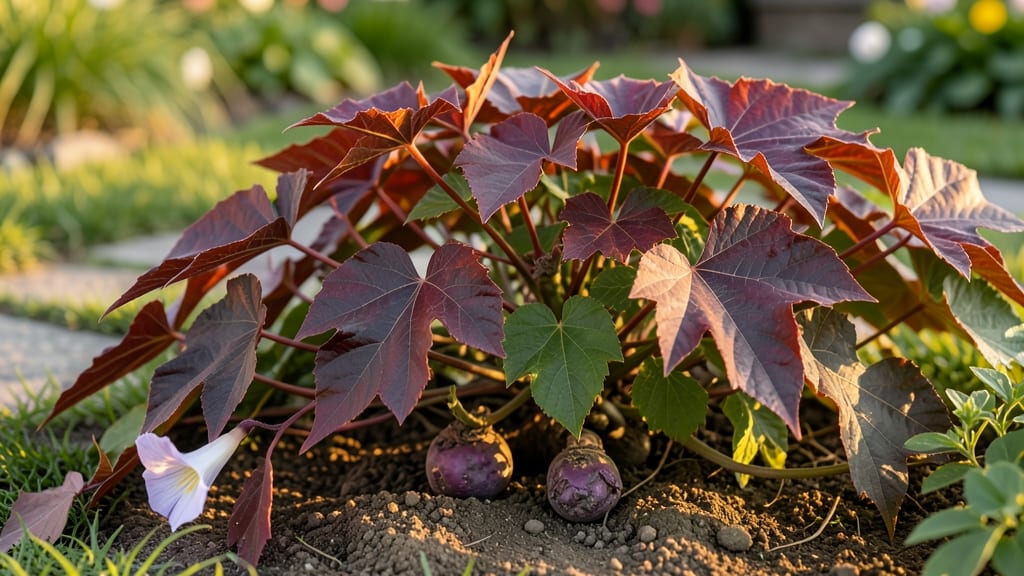
Growing ornamental sweet potato vine tubers delivers cascading foliage that turns containers into living art. 🌿 I've transformed my patio with these vines, and the secret starts with selecting plump, firm tubers—no sprouts needed.
The right variety (like 'Blackie' or 'Margarita') makes all the difference for vibrant colors and lush growth.
Planting is simpler than you'd think: well-draining soil, bright indirect light, and a container with drainage holes. These vines thrive in hanging baskets or window boxes, trailing up to 10 feet in a single season. The key is spacing tubers 6-12 inches apart so they don't compete for nutrients.
You'll see rapid growth once established—water when the top inch of soil dries, and feed monthly with balanced fertilizer. The foliage stays vibrant all summer long, with minimal pests bothering these hardy plants. Just watch for overwatering, which causes root rot.
Perfect for beginners or experienced gardeners looking to add drama to small spaces. These vines bring instant color and texture, and they're completely edible if you ever get hungry! Let's get those tubers planted and watch them transform your space.
📚 In This Guide
- What you need
- Instructions
- Tips and common mistakes
- Wrapping up and next steps
What you need
- ● Ornamental sweet potato vine tubers: 3–5 tubers (choose varieties like 'Blackie,' 'Margarita,' or 'Tahitian Purple' for vibrant colors).
- ● Containers: Hanging baskets (10–12" diameter), window boxes, or deep pots (with drainage holes).
- ● Potting mix: Well-draining, lightweight mix (e.g., cactus/succulent blend or a 50/50 mix of peat moss and perlite). 1–2 gallons per container.
- ● Slow-release fertilizer: Balanced 10-10-10 or organic option (e.g., worm castings). 1 tbsp per container.
- ● Watering can or spray bottle: For gentle hydration (avoid soggy soil!).
- ● Scissors or pruners: For trimming vines (sterilized with rubbing alcohol).
- ○ Gloves (optional): To protect hands from tuber spines or soil.
- ● Moss or coco coir: For lining hanging baskets (retains moisture and adds texture).
- ● Plant supports: Small stakes or trellises for vertical gardens (if not using hanging containers).
- ● Liquid fertilizer: Diluted seaweed or fish emulsion (for a mid-season boost).
- ● Mulch (e.g., pine bark): To conserve moisture in window boxes.
- ● Grow lights (indoor setups): LED full-spectrum bulbs (12–14 hours/day for optimal growth).
Instructions for growing stunning ornamental sweet potato vines
Here’s how to coax vibrant, trailing vines from those humble tubers—no green thumb required.
🌱 Step 1: Prep the Tubers for Planting
Start with firm, disease-free tubers—avoid any with soft spots or sprouts that look mushy. Use a clean knife to slice each tuber into 2-inch sections, ensuring every piece has at least one healthy "eye" (the small dimple where sprouts emerge). Let the cut pieces dry in a shaded spot for 1-2 hours—this prevents rot when they hit moist soil.
Real talk: Don’t skip the drying step. I learned the hard way that damp cuts invite fungal infections. Once dry, place the tuber sections in a shallow tray with 1 inch of water, eye-side up. Keep them in bright, indirect light (like a sunny windowsill) until sprouts emerge—about 7-10 days.
☀️ Step 2: Choose Containers and Planting Medium
Ornamental sweet potato vines thrive in well-draining containers—think hanging baskets, window boxes, or 12-inch pots with drainage holes. Fill them with a lightweight potting mix (avoid garden soil—it compacts and suffocates roots). For 4 tubers, you’ll need about 2 gallons of mix total, amended with 1 cup perlite to boost aeration.
Plant each tuber section 1 inch deep, spacing them 4-6 inches apart in the container. Press the soil gently around the base to eliminate air pockets. Here’s the thing—these vines grow fast, so if you’re using a hanging basket, leave at least 18 inches of trailing space for the vines to cascade.
💧 Step 3: Water and Position for Optimal Growth
Water thoroughly after planting until moisture seeps from the drainage holes, then let the top 1 inch of soil dry before watering again. Overwatering is the #1 killer—yellowing leaves signal soggy roots. Once sprouts appear (usually 10-14 days), move the container to a spot with 6+ hours of direct sunlight daily. South- or west-facing windows are ideal, but if you’re using grow lights, keep them 6-12 inches above the foliage for 12-14 hours/day.
You’ll notice new leaves unfurling in vibrant hues—that’s your cue everything’s on track. If growth stalls, check for leggy stems (a sign of insufficient light) or crispy edges (too much sun or dryness). Adjust accordingly.
✂️ Step 4: Prune and Encourage Bushier Trails
Pinch back the tips of new vines when they reach 12-18 inches long to encourage branching. This creates a fuller, bushier cascade instead of one long, sparse trail. Use clean, sharp scissors to snip just above a leaf node (the bump where leaves attach). Don’t worry—these vines are tough. Even if you trim too much, they’ll bounce back with new growth within 2 weeks.
For hanging baskets, gently weave the vines through the basket’s edges as they grow. This prevents tangling and creates a neater, more dramatic display. If you’re growing in a container, let the vines trail naturally over the sides—the longer they hang, the more dramatic the effect.
🌿 Step 5: Feed and Maintain Through the Season
Fertilize every 4-6 weeks with a balanced liquid fertilizer (10-10-10 or 20-20-20) diluted to half-strength. These vines are heavy feeders, so don’t skimp—pale leaves mean they’re hungry. Water at the base of the plant (not overhead) to keep foliage dry and prevent fungal issues. If you notice brown spots on leaves, increase airflow by spacing containers apart.
Here’s where it gets fun: Deadhead spent flowers (if any appear) to redirect energy into bold, trailing foliage. By mid-summer, your vines should be bursting with color, spilling over containers in a lush, tropical display. With proper care, they’ll keep growing until first frost, though they’ll die back in cold climates—save tubers for next year!
Tips & tricks for thriving ornamental sweet potato vines
These game-changing insights will help you transform humble tubers into showstopping cascades of foliage—without the guesswork.
Eye Selection Matters: When choosing tubers, look for those with multiple "eyes" (sprout points). A single eye per 2-inch section is the minimum, but more eyes mean more potential vines. I've found that tubers with 2-3 eyes per section produce the most vigorous growth. Avoid tubers with sprouts that are already pushing through the skin—these are often too advanced and may rot during the drying process.
Lighting is Non-Negotiable: The 6+ hours of direct sunlight requirement isn't just a suggestion—it's the difference between lush vines and leggy, weak growth. If your space only gets partial sun, supplement with grow lights positioned 6-12 inches above the foliage for 12-14 hours daily. I've seen dramatic improvements when adding LED grow lights to north-facing windows—vines that were struggling suddenly perked up within days.
Pruning Strategy: The 12-18 inch pinching point is your secret weapon for bushier growth. When you pinch back those tips, you're encouraging the plant to produce more lateral shoots. Here's what I do: I pinch every 2-3 weeks during the growing season, which keeps the vines compact and full. For hanging baskets, I weave the new growth through the basket edges immediately after pinching to train them into the desired shape.
Fertilizer Timing: Those 4-6 week intervals between fertilizing are crucial—they prevent salt buildup in the soil. I've learned this the hard way after seeing crispy leaf edges from over-fertilizing. Always dilute your balanced liquid fertilizer to half-strength, and water thoroughly after applying. The first feeding should happen about 2 weeks after planting when you see the first true leaves emerging.
Pro Tips for Ornamental Sweet Potato Vine Tubers
- These game-changing insights will help you transform humble tubers into showstopping cascades of foliage—without the guesswork.
- Eye Selection Matters: When choosing tubers, look for those with multiple "eyes" (sprout points).
- Lighting is Non-Negotiable: The 6+ hours of direct sunlight requirement isn't just a suggestion—it's the difference between lush vines and leggy, weak growth.
Frequently asked questions
Can I grow ornamental sweet potato vines from store-bought tubers?
Yes! Many grocery store tubers (like Ipomoea batatas) are safe to propagate. Look for firm, disease-free tubers with sprouts. Avoid tubers treated with sprout inhibitors (common in sweet potatoes for eating). Cut into 1-inch sections, let them dry for a day, then plant in moist soil.
How long does it take for ornamental sweet potato vines to produce tubers?
With patience, you’ll see results! Tubers typically form 8–12 weeks after planting, depending on warmth and sunlight. In hot climates, growth accelerates—some gardeners harvest small tubers as early as 6 weeks. Pro tip: Prune vines to encourage tuber development below the soil.
Are the tubers from ornamental sweet potato vines edible?
Most ornamental varieties (like Blackie or Margarita) are not meant for eating—they’re bred for color and trailing beauty. However, some edible sweet potato varieties (e.g., Beauregard) can double as ornamentals. When in doubt, research your specific variety or stick to non-toxic types for pets/kids.
What’s the best temperature for growing ornamental sweet potato vine tubers?
These vines thrive in warmth! Ideal temps: 70–90°F (21–32°C) during the day, with nights above 60°F (15°C). They’re frost-sensitive—wait until after the last frost to plant outdoors. In cooler zones, start tubers indoors 4–6 weeks early or grow them as annuals in containers.
What can I do if my ornamental sweet potato vines stop producing tubers?
Try these fixes:
- Check sunlight: Move to a sunnier spot (they need 6+ hours/day).
- Water consistently: Keep soil moist but not soggy—drought stress halts tuber growth.
- Fertilize lightly: Use a balanced 10-10-10 fertilizer every 4–6 weeks to encourage root/tuber development.
- Prune aggressively: Trim long vines to redirect energy underground.
Wrapping up and next steps
Ornamental sweet potato vines bring vibrant color, texture, and effortless charm to containers and hanging baskets—perfect for adding a tropical touch to any space! 🌿 Whether you’re a seasoned gardener or just starting out, these trailing beauties are low-maintenance and packed with visual appeal.
Now that you know how to grow, care for, and troubleshoot them, it’s time to get creative—mix colors, experiment with arrangements, or even propagate your favorites to share with friends!
Ready to elevate your garden? Start small—plant a single pot or a cluster of baskets—and watch your space transform into a lush, eye-catching oasis! 🌸