
Planting
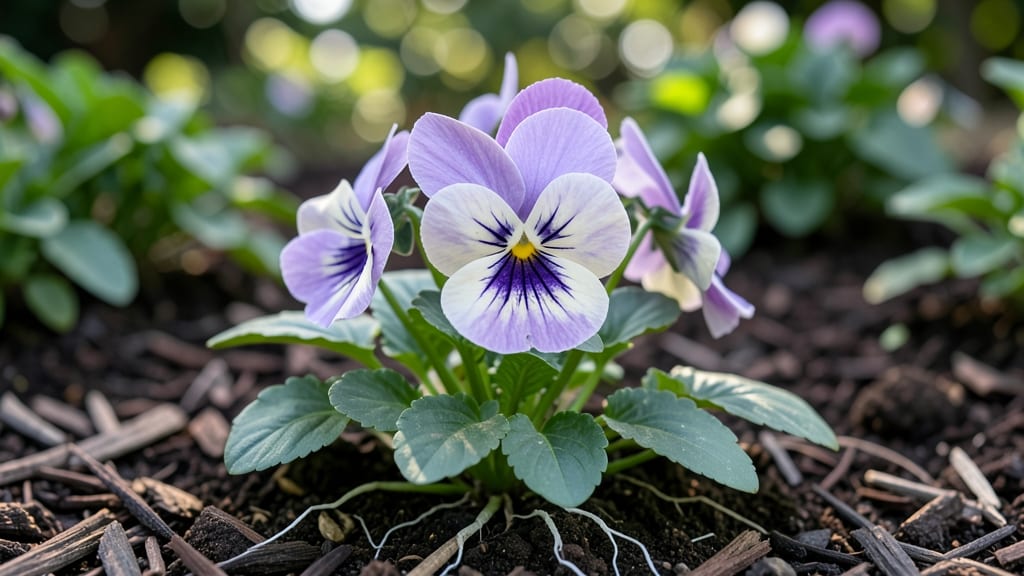
The pansy plant care secret is simple: they thrive where others give up—year-round color with almost no work once you know the tricks. 🌿 I’ve grown them through snow, summer heat, and everything in between, and they’ve never once let me down.
The secret isn’t complicated: they love cool weather, consistent moisture, and a spot where they won’t get crowded out.
Start with well-draining soil—pansies hate soggy roots—and plant them where they’ll get 4-6 hours of sunlight daily. Too much sun? Their leaves scorch. Too little? They’ll stretch and look sad.
Water them at the base when the top inch of soil feels dry, and fertilize lightly every 4-6 weeks with a balanced formula. That’s it. No fuss, just blooms.
By midseason, you’ll have a carpet of flowers in every color imaginable—purples, yellows, whites, even striped varieties. The best part? They keep blooming if you deadhead spent flowers and protect them from slugs (their one true nemesis). Even in winter, they’ll hold their own with a little mulch.
Works in containers, garden beds, or hanging baskets—just adjust watering for smaller pots. And if they start looking tired after a season, pull them up and replant fresh ones in their spot. No garden needs to be boring when pansies are this easy.
📚 In This Guide
- What you need
- Instructions
- Tips and common mistakes
- Wrapping up and next steps
What you need
- ● Pansy plants: 5–10 seedlings or mature plants (depending on desired coverage)
- ● Well-draining potting mix: 2–3 bags (10–15 cubic feet total) – opt for a blend with perlite or sand
- ● Containers or garden bed: For containers: 5–10-inch pots with drainage holes (1–2 plants per pot)
- ● For garden beds: Full sun to partial shade (4–6 hours of sunlight daily)
- ● Watering can or hose: With a gentle spray nozzle for even moisture
- ● Balanced fertilizer (10-10-10 or 20-20-20): 1–2 tablespoons per plant (follow label instructions)
- ● Pruning shears: Sharp, clean pair for deadheading and shaping
- ● Mulch: Organic mulch (e.g., straw or shredded bark) to retain moisture and suppress weeds
- ● Slow-release fertilizer granules: Mix into soil at planting for steady nutrition
- ● Plant stakes or supports: For tall varieties in windy areas
- ● pH test kit: To ensure soil is slightly acidic to neutral (6.0–7.0)
- ● Pest control (neem oil or insecticidal soap): For aphids or spider mites
Step-by-Step pansy plant care for lush, year-round blooms
Here's how to keep your pansies thriving with vibrant flowers and minimal effort—no green thumb required.
🌱 Step 1: Choose the Right Location for Light and Airflow
Pansies love 4-6 hours of morning sun and afternoon shade, especially in hotter climates. I always place mine where they get gentle sunlight—think dappled shade under a tree or a north-facing window box. Too much direct afternoon sun scorches their delicate petals, while too little light causes leggy growth and sparse blooms.
Check for airflow too—pansies hate stagnant air, which invites powdery mildew. Position them where breezes can circulate, like near an open window or between other plants that don’t block sunlight. If you’re growing them in containers, space pots 6-8 inches apart to prevent crowding and improve airflow.
💧 Step 2: Water Consistently Without Overdoing It
Water pansies when the top inch of soil feels dry—they’re drought-tolerant but won’t bloom well if parched. I use a watering can with a rose attachment to deliver moisture directly to the soil, avoiding the leaves. Wet foliage in hot weather speeds up fungal diseases, so always water at the base in the morning.
Here’s the thing—pansies hate soggy roots. If your pots lack drainage holes, add a layer of pebbles at the bottom or upgrade to containers with drainage. Overwatering causes yellowing leaves and root rot, and you’ll know it’s too much when the soil stays damp for days or water pools on the surface.
☀️ Step 3: Feed Lightly for Continuous Blooms
Use a balanced, water-soluble fertilizer (10-10-10) every 3-4 weeks during the growing season to keep pansies flowering. I mix it at half-strength to avoid burning their tender roots—always follow the label, but when in doubt, dilute. Stop fertilizing in late summer to let them rest, then resume in early spring.
Watch for signs of hunger: small leaves, sparse blooms, or stems stretching toward the light. If you see these, it’s time to feed. Organic options like compost tea work too, but they’re slower-acting, so start with them earlier in the season. Avoid high-nitrogen fertilizers—they’ll give you lots of leaves but few flowers.
✂️ Step 4: Deadhead and Prune for Longer Blooms
Snip off spent blooms just above the next set of leaves to encourage new flowers. I use clean, sharp scissors to avoid damaging the stems. Deadheading isn’t just about looks—it tells the plant to redirect energy into producing more blooms instead of setting seed. Do this every 2-3 days during peak flowering for the best results.
If your pansies look leggy or overcrowded, trim back the tallest stems by one-third to promote bushier growth. This is especially helpful in late summer when they start to flop. Just avoid cutting into the center of the plant, where new buds form. A little pruning keeps them compact and encourages more vibrant blooms.
🌿 Step 5: Protect Pansies in Harsh Weather
Pansies tolerate cold better than heat, but they still need protection in extreme conditions. In winter, mulch around the base with 1-2 inches of straw or shredded leaves to insulate roots. If a hard freeze is forecast, cover plants with frost cloth or a lightweight blanket. Remove it during the day to let sunlight in.
In summer, shield them from intense heat with shade cloth (30-50% coverage) if temperatures exceed 85°F. You’ll notice wilting or drooping leaves as a sign they’re struggling. Move containers to a cooler spot if possible, and water more frequently to help them cool down. With a little TLC, pansies will bounce back and keep blooming well into fall.
Tips & tricks for perfect pansy plant care
These simple tricks will help your pansies stay vibrant and blooming all year long with almost no extra effort.
Lighting Strategy: In Step 1, when choosing your location, pay attention to seasonal sun shifts. What gives you 4-6 hours of morning sun in spring might change to 6-8 hours by summer. I adjust my containers as needed—just rotate them 90 degrees every few weeks to ensure even light exposure. This prevents one-sided growth and keeps your pansies looking symmetrical and healthy.
Watering Wisdom: The "top inch dry" rule in Step 2 works, but here's the thing: stick your finger in the soil at the same time every day to build consistency. I water at the same time I check my email in the morning—it becomes a habit. Also, use a moisture meter for containers; they're a game-changer for avoiding overwatering, especially when you're traveling or busy.
Fertilizer Timing: When you're applying that 10-10-10 fertilizer every 3-4 weeks in Step 3, I've found that pairing it with your first watering of the day gives the roots the best chance to absorb nutrients. And here's a pro move: after fertilizing, give your pansies a light misting in the evening—this helps wash any fertilizer residue off the leaves and prevents leaf burn.
Pruning Precision: In Step 4, when you're deadheading every 2-3 days, use a pair of clean, sharp scissors and make your cuts at a 45-degree angle just above a leaf node. This technique encourages faster regrowth and prevents water from pooling on the cut stem, which can lead to rot. I keep a small pair of scissors dedicated just to my pansies to maintain clean cuts.
Pro Tips for Pansy Plant Care
- These simple tricks will help your pansies stay vibrant and blooming all year long with almost no extra effort.
- Lighting Strategy: In Step 1, when choosing your location, pay attention to seasonal sun shifts.
- Watering Wisdom: The "top inch dry" rule in Step 2 works, but here's the thing: stick your finger in the soil at the same time every day to build consistency.
Frequently asked questions
Got questions about keeping your pansies thriving? Here are some of the most common concerns—plus quick, practical answers to keep your garden blooming beautifully.
How often should I water pansy plants?
Water pansies consistently—about 1 inch per week, especially during dry spells. Keep soil moist but not soggy; mulching helps retain moisture. Morning watering is ideal to prevent fungal issues. Container-grown pansies dry out faster, so check soil daily in pots.
Can pansies survive winter, or do I need to protect them?
Many pansy varieties are cold-hardy (down to 10–20°F) and thrive in winter! For extra protection, add a light layer of mulch (2–3 inches) around the base. If your region gets harsher freezes, consider a frost cloth or moving potted pansies to a sheltered spot.
Why are my pansy leaves turning yellow?
Yellow leaves often signal overwatering or nutrient deficiency. Check soil moisture—pansies hate "wet feet." If roots look mushy, reduce watering. For yellowing with green veins, it’s likely iron deficiency; use a chelated iron supplement or compost tea. Pests like slugs can also cause damage—inspect leaves closely!
Can I grow pansies in containers, and what’s the best setup?
Pansies love containers—just ensure pots have drainage holes and use well-draining soil. A 6–8 inch pot works for 1–2 plants. Place containers in partial shade (especially in hot climates) and fertilize every 2–3 weeks with a balanced liquid fertilizer for peak blooms.
How do I encourage pansies to rebloom after the first flush?
Deadhead spent blooms regularly to redirect energy to new flowers. After the first bloom cycle, feed pansies with a low-nitrogen, high-phosphorus fertilizer (like 5-10-10) to boost flowering. Pinch back leggy stems to promote bushier growth. With proper care, pansies can bloom year-round in mild climates!
Wrapping up and next steps
Caring for pansies is a breeze once you know the basics—whether you’re a seasoned gardener or just dipping your toes into plant parenthood! 🌸 With the right light, soil, watering routine, and occasional grooming, these cheerful blooms will reward you with vibrant color for months.
Don’t let their delicate looks fool you; pansies are tougher than they appear and thrive with minimal fuss.
Now that you’re armed with tips, why not experiment? Try growing them in containers, mix colors for a stunning border, or even overwinter them for early spring blooms. Grab your gloves, get planting, and enjoy the show! 🌿