
Planting
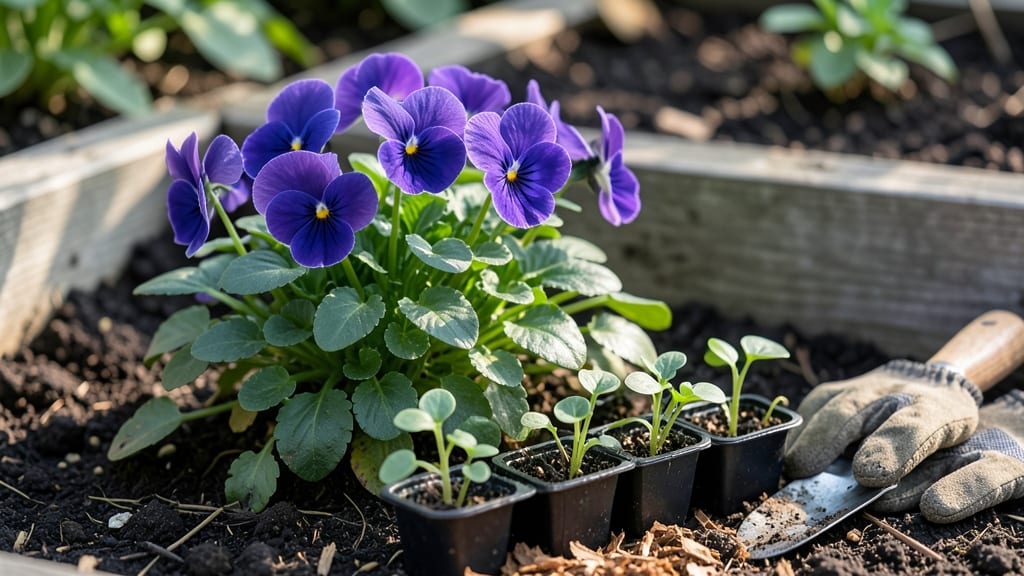
Getting the pansy planting season right is key to unlocking vibrant blooms from early spring to late fall—plant too late, and you’ll end up with short-lived color instead of a long-lasting display.
If you’ve ever planted pansies too late in spring and watched them bolt into seed pods by summer, you know how critical timing is. The best planting season depends on your zone, but most gardeners get it wrong by focusing only on spring.
In cooler climates like USDA Zone 6a, fall planting is the secret to long-lasting color—starting 6-8 weeks before the first frost lets pansies establish roots before winter. Meanwhile, spring plantings should go in 4-6 weeks before your last frost for a burst of early blooms.
Below, I break down the exact months for your zone, soil prep tips to keep pansies thriving, and whether to start from seeds or transplants for the best results—no more wasted pots or faded blooms.
Best pansy planting months by USDA hardiness zones
Pansies thrive in cooler weather, making them perfect for early spring or fall gardens. But timing varies dramatically depending on your USDA hardiness zone. Planting too early risks frost damage, while waiting too long means missed blooms.
The key is establishing roots 4-6 weeks before your last frost date for spring or 6-8 weeks before your first frost for fall color.
In warmer zones (7-10), pansies can even handle winter planting, while colder zones (3-6) need precise timing to avoid frost. Let’s break down the best months for each zone to ensure your pansies bloom vibrantly all season.
Pro Tip: Always check your local last frost date (spring) and first frost date (fall) for the most accurate timing. Extension offices or gardening apps like PlantNet can help.
| Zone | Spring Planting | Fall Planting | Notes |
|---|---|---|---|
| 3-4 | Late May - Early June | August - Early September | Cold-hardy varieties like 'Bowles' series; protect with mulch. |
| 5-6 | April - Early May | September - Early October | Ideal for 'Cool Wave' pansies; avoid late fall planting. |
| 7-8 | February - March | October - November | Can overwinter in mild winters; 'Matrix' series recommended. |
| 9-10 | December - January | September - October | Plant in partial shade; 'Majestic Giant' thrives here. |
For zones 3-4, focus on late spring or early fall planting to avoid early frost damage. These areas benefit from cold-hardy varieties like the 'Bowles' series, which can tolerate light frosts. Always use a 4-6 inch mulch layer to protect roots during winter.
Zones 5-6 offer the most flexibility with spring and fall planting. Aim for April-May for spring blooms or September-October for fall color. The 'Cool Wave' pansy series is ideal here, as it handles temperature swings well.
In warmer zones (7-10), pansies can be planted year-round, but fall and winter are best. Zones 9-10 even allow December-January planting for early spring color. Choose heat-tolerant varieties like 'Matrix' or 'Majestic Giant'.
Always plant pansies in well-draining soil with partial shade (4-6 hours of sun). Overwatering is a common mistake—keep soil consistently moist but not soggy to prevent root rot.
For container gardening, use well-draining pots and plant in early fall to enjoy blooms through winter. In ground beds, space pansies 8-12 inches apart for optimal airflow and growth.
After planting, apply a balanced fertilizer (5-10-10) to encourage strong root development. In fall-planted pansies, avoid fertilizing after October to prevent tender new growth before winter.
With the right timing, pansies can bloom from early fall to late spring, providing continuous color in your garden. Adjust for microclimates—shadier spots may need slightly later planting.
How to extend pansy blooms through cold weather
Cold weather doesn’t have to mean the end of your pansy display. With the right cold-hardy varieties and seasonal care, you can enjoy vibrant blooms from fall through spring. The key lies in selecting resilient plants, protecting them from harsh conditions, and maintaining their health during dormancy.
I’ve found that Viola tricolor varieties like 'Ice King' or 'Matrix' thrive in cooler temperatures, producing flowers even when snowflakes dust their petals. These varieties are bred to withstand light frosts and continue blooming when other flowers fade away.
5 Essential Tips to Extend Pansy Blooms
- 1. Choose cold-hardy varieties: Opt for Viola tricolor types like 'Matrix' or 'Heather' that tolerate 20-25°F temperatures.
- 2. Mulch heavily: Apply 3-4 inches of straw or shredded leaves around plants to insulate roots.
- 3. Water sparingly in winter: Reduce watering to bi-weekly unless soil is completely dry.
- 4. Deadhead faded blooms: Remove spent flowers to encourage continuous blooming through the season.
- 5. Fertilize lightly in fall: Use a balanced 5-10-10 fertilizer in early fall to strengthen roots.
Proper mulching is one of my top secrets for winter pansies. I always use straw or shredded leaves (never clumps of grass clippings) to create an insulating layer that protects roots from freezing temperatures. This method also helps retain soil moisture during dry winter spells.
Another critical step is deadheading faded blooms regularly. By removing spent flowers, you encourage the plant to produce new buds instead of going dormant. I make it a habit to check my pansies every 10-14 days during winter months to keep them looking fresh.
For extra protection in Zone 5 and colder, I’ve had great success with cloche covers or even upside-down plastic containers during extreme cold snaps. These create microclimates that shield pansies from sub-zero temperatures while still allowing light and air circulation.
Remember that pansies are perennial in mild climates but often treated as annuals in colder regions. With these care techniques, you can push their season limits and enjoy their cheerful faces well into spring—sometimes even until Mother's Day or later!