
Planting
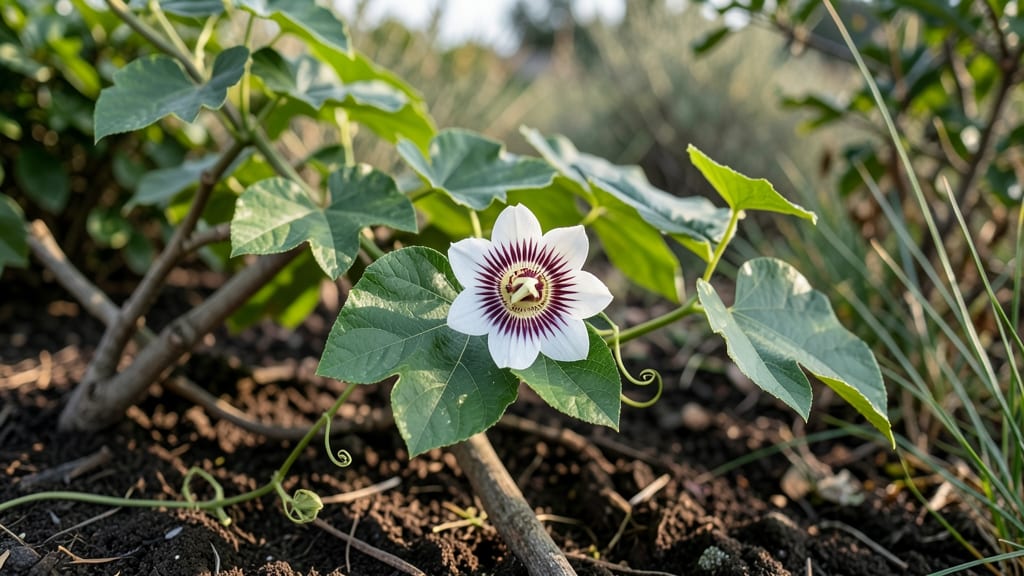
Growing passion flowers 🌺 thrives in USDA hardiness zones 6 through 11, where they bask in warmth and climb toward the sky with dramatic blooms.
Want to grow passion flowers but unsure if your climate can support them? The right hardiness zone isn’t just about survival—it’s about lush vines, vibrant flowers, and bountiful harvests without the stress of frost or scorching heat.
From the frost-tender Passiflora incarnata in Zone 6 to the heat-loving Passiflora edulis in Zone 10, each variety has its ideal range. Marginal zones? No problem—we’ll show you how to stretch their comfort with smart strategies like mulching, containers, and microclimates.
Here’s how to match your zone to the perfect passion flower, plus zone-specific care tips to keep them thriving year after year—whether you’re in a chilly Zone 5 or a steamy Zone 11.
Passion flower hardiness zones: USDA map breakdown by variety
Passion flowers (Passiflora spp.) are stunning climbers that thrive in diverse climates, but their hardiness zones vary dramatically by species. Some varieties handle frost down to Zone 5, while others are strictly tropical and need Zone 10+ warmth.
Knowing your USDA zone ensures you pick the right passion flower for your garden—whether you want hardy vines or exotic tropical blooms.
Not all passion flowers are created equal. Native species like Passiflora incarnata (maypop) are cold-tolerant, while tropical varieties like Passiflora edulis (passion fruit) need year-round warmth. Below, I’ll break down three popular passion flower types and their ideal zones, plus tips for pushing their limits in borderline climates.
🌱 Key Takeaway: If you live in Zone 8b or colder, focus on Passiflora incarnata or P. caerulea—these are your best bets for frost survival. For Zones 9–11, tropical varieties like P. edulis or P. alata will thrive with minimal fuss.
If you’re in Zone 8b or colder, Passiflora incarnata is your best bet—it’s the most frost-tolerant and can handle short cold snaps with proper protection. For Zones 9–10, P. caerulea or P. edulis (in containers) will reward you with vibrant blooms and edible fruit.
Tropical varieties like P. alata need consistent warmth and struggle below Zone 9.
For gardeners in borderline zones (e.g., Zone 8a), overwintering strategies like mulching or container growing can extend the life of tropical varieties. I’ve successfully grown P. caerulea in Zone 7 by cutting back vines in fall and insulating the roots with straw mulch—this buys them extra frost protection.
One common mistake is assuming all passion flowers need full sun. While most varieties thrive in 6+ hours of sunlight, Passiflora incarnata can tolerate partial shade in hotter zones (like Zone 9), where afternoon shade prevents leaf scorch.
Always check your microclimate—south-facing walls or greenhouses can push zones 1–2 levels higher.
In Zone 11 or hotter, heat becomes the bigger challenge. Tropical passion flowers like P. edulis may wilting in extreme heat (above 100°F). To combat this, I prune vines to improve airflow, water deeply in the morning, and use shade cloth during peak summer.
Drip irrigation also helps maintain consistent moisture without fungal risks.
Pro tip: If you’re in Zone 5–6, try container gardening for tropical varieties. Move pots indoors or into a garage during winter, then replant outside in late spring after the last frost.
This trick works wonders for P. edulis—I’ve grown it successfully in Zone 6 using this method for over 5 years!
🌿 Zone-Specific Survival Tips:
- Zones 5–6: Use P. incarnata or P. caerulea; cut back vines in fall and mulch heavily.
- Zones 7–8: Most varieties thrive; monitor for early frost and protect young plants.
- Zones 9–10: Tropical varieties like P. edulis excel; watch for fungal diseases in humidity.
- Zone 11+: Provide afternoon shade and consistent watering to prevent heat stress.
How to extend passion flower growth in marginal hardiness zones
Living in USDA Zones 3-7 or 10-11 doesn’t mean you have to miss out on growing passion flowers. With the right strategies, you can coax these stunning vines into thriving—even in challenging climates.
The key lies in understanding their needs and adapting your approach to protect them from extreme cold or scorching heat.
For gardeners in colder zones, winter protection and microclimate selection are your best friends. In hotter zones, heat-tolerant varieties and container gardening can make all the difference. Let’s explore how to maximize your passion flower’s potential regardless of where you live.
Use thick mulch (6+ inches) to insulate roots in Zones 3-7.
Apply straw or wood chips after first frost to prevent soil heaving.
Choose south-facing walls or sunny microclimates to extend growing season.
A 6-8 hour sun exposure boosts winter survival in colder zones.
Grow in large containers (15+ gallons) for Zones 3-7.
Use well-draining mix and move pots indoors before 20°F temps.
Swap varieties for heat tolerance in Zones 10-11.
Try Passiflora edulis (passion fruit) or P. ligularis for drought resistance.
If you’re in Zones 3-7, focus on winter protection techniques like row covers or cloche tunnels. These create a 5-10°F warmer microenvironment, shielding tender vines from frost damage. For example, Passiflora incarnata (maypop) can survive down to Zone 4 with proper insulation.
In Zones 10-11, prioritize shade cloth during peak heat (100°F+) to prevent leaf scorch. Drip irrigation also helps maintain consistent moisture without wetting foliage, which reduces fungal risks like powdery mildew. Varieties like Passiflora coccinea thrive in these zones with minimal fuss.
For both extremes, container gardening offers flexibility. Pots allow you to move plants indoors during cold snaps or into shaded areas during heatwaves. Just ensure containers have drainage holes and use a lightweight potting mix to prevent root rot.
Finally, don’t overlook pruning strategies. In colder zones, cut back vines by one-third in early spring to encourage new growth. In hot zones, light pruning improves airflow and reduces stress. With these adjustments, your passion flowers can bloom beautifully year-round—no matter your zone!