
Planting
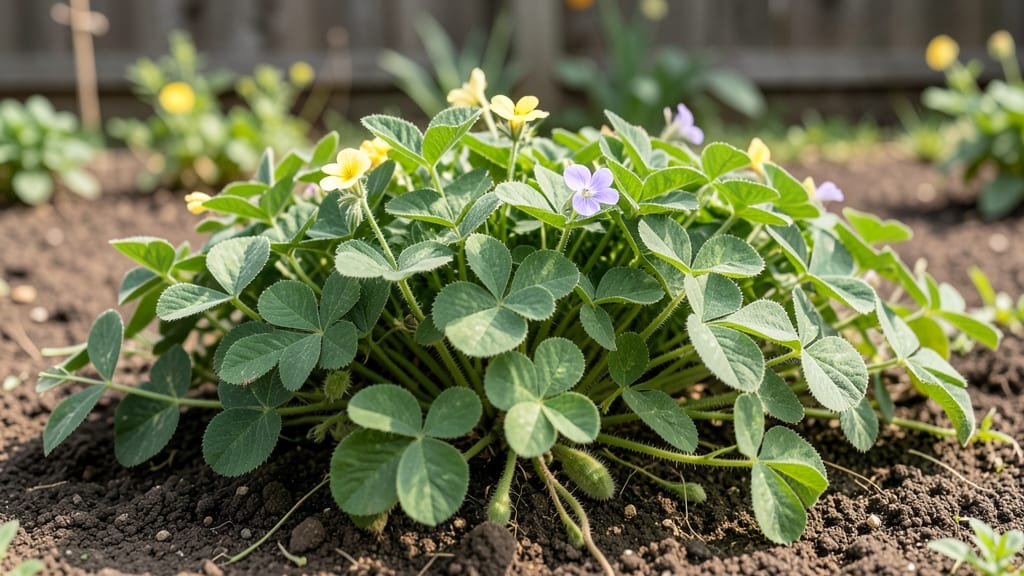
Mastering peanut plant care turns your garden into a dual-purpose wonderland—vibrant foliage AND edible harvests. 🌱 I learned the hard way that peanuts need warm soil (at least 70°F) to germinate, and my first batch struggled until I adjusted my timing.
The key is patience: these aren't fast growers, but the payoff—homegrown peanuts—makes every step worth it.
Start with well-draining soil mixed with compost, and plant seeds 2 inches deep, 6 inches apart in rows 18 inches apart. They crave full sun (6+ hours daily) and consistent moisture, but never soggy soil—this is where most beginners fail.
A light mulch helps retain moisture while keeping roots cool.
By mid-summer, you'll see lush vines with yellow flowers, followed by pegs that grow into the soil where pods develop. The real magic happens underground, so avoid disturbing the soil once pegs form. With proper care, you'll harvest ready-to-eat peanuts in 120-150 days.
Common challenges? Birds love the flowers, and aphids may visit—just keep an eye out. For small spaces, try container growing with deeper pots (12+ inches). The first harvest might be modest, but each season gets better as your soil improves.
📚 In This Guide
- What you need
- Instructions
- Tips and common mistakes
- Wrapping up and next steps
What you need
- ● Peanut Seeds: 1–2 lbs (450–900g) of high-quality, disease-resistant peanut seeds (e.g., Virginia, Spanish, or Runner varieties).
- ● Well-draining soil: Sandy loam soil with a pH of 6.0–6.5 (test your soil or amend with compost if needed).
- ● Fertilizer: Balanced 10-10-10 fertilizer (1–2 lbs per 100 sq ft).
- ● Phosphorus-rich fertilizer (e.g., bone meal) for root development.
- ● Mulch: Straw or pine needles (2–3 inches thick) to retain moisture and suppress weeds.
- ● Watering supplies: Drip irrigation or soaker hoses (for consistent moisture).
- ● Watering can (for seedlings).
- ● Garden tools: Hand trowel or small shovel.
- ● Pruning shears (for trimming vines).
- ● Garden rake (for soil prep).
- ● Row covers (to protect young plants from pests or frost).
- ● Soil moisture meter (to monitor hydration levels).
- ● Organic pest control (e.g., neem oil or insecticidal soap).
- ● Peanut trellis or stakes (if growing vertically in containers).
- ● pH test kit (to ensure optimal soil conditions).
Step-by-Step instructions for cultivating thriving peanut plants
Peanuts aren't just for snacking—they're a rewarding crop once you understand their unique growth habits.
🌱 Step 1: Select the Right Variety and Prepare the Soil
Choose a short-season variety like Spanish or Virginia peanuts, which mature in 90-120 days. Peanuts need well-draining, sandy loam soil with a pH between 6.0-6.5. I always test my soil first—peanuts hate soggy roots and will rot if drainage is poor.
Work in 2-3 inches of compost and a balanced 10-10-10 fertilizer at planting time. Peanuts fix their own nitrogen, but early growth needs a boost. Till the soil to a depth of 8-10 inches to break up compaction, which is critical for their deep taproots.
☀️ Step 2: Plant Seeds at the Correct Depth and Spacing
Plant seeds 1-2 inches deep in rows spaced 18-24 inches apart. I use a seed spacing of 4-6 inches between plants—crowding leads to poor pod development. Warm soil speeds germination, so wait until soil temperatures reach 70°F before planting.
Peanuts need full sun (6-8 hours daily) and consistent moisture. Water lightly after planting, then keep soil evenly moist (not soggy) until germination, which takes 7-14 days. Avoid overhead watering—it spreads disease and washes seeds away.
🌿 Step 3: Manage Growth and Encourage Flowering
Once seedlings emerge, thin to 6 inches apart if needed. Peanuts develop vines that spread 2-3 feet wide, so give them space. Watch for yellowing leaves—this signals either overwatering or nitrogen deficiency. A light side-dressing of compost can help if leaves look pale.
Peanuts flower 6-8 weeks after planting, producing yellow blossoms that drop to the soil. This is when pegs (future pods) form. Mulch with straw or leaves to protect developing pegs from cracking when harvested. Avoid heavy watering now—pegs need dry soil to mature properly.
⏰ Step 4: Monitor Maturity and Harvest at the Right Time
Peanuts are ready to harvest 120-140 days after planting, when leaves yellow and drop. Dig carefully with a fork—peanuts grow underground! Look for pegs with brown, papery shells and firm nuts inside. Harvest on a dry day to prevent mold.
Leave peanuts in the sun for 3-5 days to dry slightly before shelling. Store in a cool, dry place (55-60°F) for up to 6 months. If pods stay green, they’re immature—wait another week. Overripe peanuts shrivel and lose flavor.
💧 Step 5: Prevent Common Pests and Diseases
Watch for leaf spot (brown spots on leaves) and root-knot nematodes (stunted growth). Crop rotation prevents nematodes—never plant peanuts in the same spot two years in a row. I also interplant with marigolds to deter pests naturally.
Spray with neem oil if aphids appear, but avoid chemicals near harvest. Healthy soil reduces disease—amend with sand if your soil is too clay-heavy. Peanuts are resilient, but consistent care keeps them thriving from seed to pod.
Tips & tricks for thriving peanut plant cultivation
Mastering peanut plant care means understanding the subtle details that separate a decent harvest from an exceptional one. Here's what I've learned after years of growing these finicky but rewarding plants.
Soil Preparation Insight: The 8-10 inch deep tilling in Step 1 isn't just about breaking up soil—it's about creating an oxygen-rich environment for those deep taproots. I use a broadfork instead of a tiller to avoid compacting the soil again. For clay-heavy soils, mix in 2-3 inches of coarse sand along with the compost to improve drainage, which is absolutely critical since peanuts rot in soggy conditions. The sandy loam requirement isn't just a suggestion—it's non-negotiable for healthy root development.
Germination Timing Secret: Those 7-14 days for germination can feel like an eternity, but don't rush it. The key is maintaining consistent moisture without waterlogging—think of it like a damp sponge, not a swamp. I use soaker hoses buried slightly below the surface to deliver water directly to the roots without disturbing the seeds. If germination takes longer than 14 days, check your soil temperature—it needs to stay above 70°F consistently for those seeds to wake up.
Peg Development Strategy: When you see those yellow blossoms drop to the soil in Step 3, that's your cue to switch from regular watering to a dry-ish approach. The pegs need moist but not wet soil to develop properly. I create a slight ridge around the plants to help water drain away from the pegs. This is where many gardeners go wrong—they keep watering heavily when they should be letting the soil dry out slightly between waterings. The pegs will tell you when they're happy: they'll turn brown and papery, signaling it's almost harvest time.
Harvesting Maturity Check: The 120-140 day window for harvest can be tricky because peanuts don't all mature at exactly the same time. I dig up one plant a week after the 120-day mark to check maturity. Look for pods with brown shells that crack easily when pressed—these are ready. If they're still green, give them another week. The drying period in the sun is crucial too: those 3-5 days let the skins toughen up, preventing mold during storage. I spread them out on a screen in full sun, turning them daily to ensure even drying.
Pro Tips for Peanut Plant Care
- Mastering peanut plant care means understanding the subtle details that separate a decent harvest from an exceptional...
- Soil Preparation Insight: The 8-10 inch deep tilling in Step 1 isn't just about breaking up soil—it's about creating ...
- Germination Timing Secret: Those 7-14 days for germination can feel like an eternity, but don't rush it. The key is m...
Frequently asked questions
Got questions about growing your own peanut plants? You’re not alone! Here are some of the most common concerns—plus straightforward answers to help you cultivate a bountiful harvest with confidence.
How long does it take for peanut plants to grow and produce nuts?
Peanut plants typically take 3 to 5 months from planting to harvest, depending on your climate and variety. Warmth speeds things up—shoot for 60–85°F (15–29°C) for optimal growth. Early-maturing varieties (like Early Spanish) may produce nuts in as little as 90 days!
Why are my peanut plants wilting or turning yellow?
Wilting or yellowing leaves often signal underwatering, overwatering, or nutrient deficiencies. Check soil moisture—peanuts need 1–1.5 inches of water weekly but hate soggy roots. Yellowing lower leaves? It might be nitrogen deficiency—try a balanced fertilizer or compost. Pests like spider mites can also stress plants; inspect undersides of leaves.
Can I grow peanuts in containers or small spaces?
Peanuts thrive in 5-gallon containers or deeper pots (12+ inches deep) with well-draining soil. Use a lightweight mix with compost, and place pots in full sun. Just ensure vines have room to sprawl—trellises or hanging baskets work great for vertical growth. Dwarf varieties like Virginia Bunch are ideal for small spaces.
Are peanuts hard to harvest, or do they ripen underground?
Yes! Peanuts ripen underground—when pods form, they’ll peg (send out stems) into the soil. Harvest when leaves yellow and dry (about 120–150 days after planting). Gently dig up plants, shake off dirt, and dry pods in a warm, dry place for 2–3 weeks before shelling.
What can I plant with peanuts to improve growth?
Peanuts love companion plants that deter pests or fix nitrogen. Try:
- Marigolds (repel nematodes)
- Beans or clover (add nitrogen)
- Corn (provides shade and support)
Wrapping up and next steps
Caring for a peanut plant is a rewarding journey that blends patience with simple, nature-friendly techniques.
With the right soil, sunlight, and consistent watering, you’ll soon enjoy a thriving vine and a bountiful harvest of nutrient-packed peanuts. Don’t let challenges discourage you—every gardener starts somewhere! Ready to take the next step? Start planting your peanuts today and watch your garden flourish! 🌱✨