
Planting
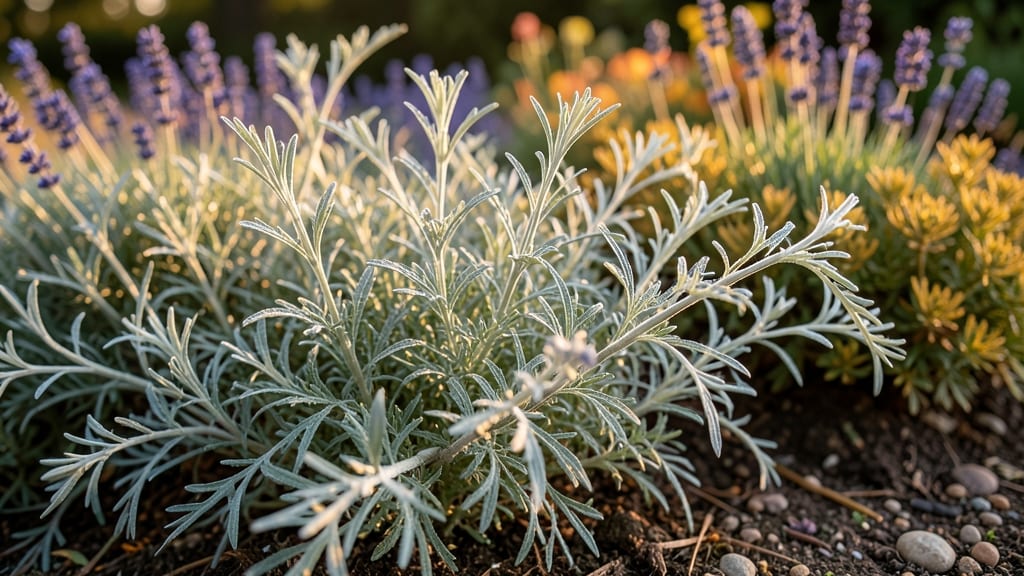
Zone 9’s warm climate makes growing perennial herbs a breeze—these hardy plants return every year with minimal care, saving you time and money while adding flavor to your kitchen. Discover the 10 most resilient varieties that thrive without fuss.
Rosemary Bushes for Year-Round Fragrance
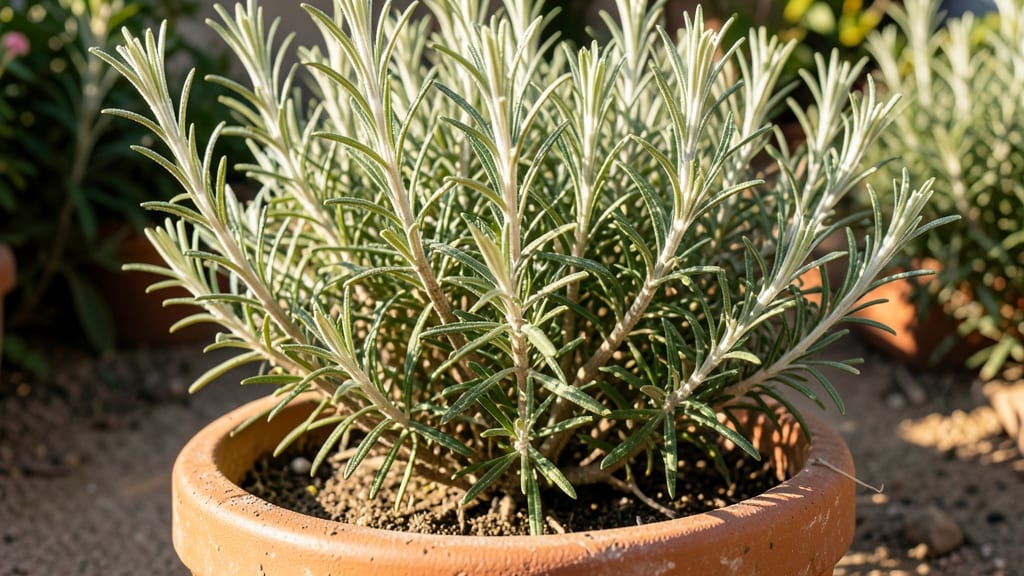
Looking for a perennial herb that thrives in Zone 9’s intense heat without fuss? Rosemary is your answer—this drought-resistant powerhouse not only survives but flourishes with minimal care, offering fragrant foliage year-round.
Plant it in well-draining soil with 6+ hours of sun and water sparingly after establishment—it thrives on neglect. Prune lightly in spring to encourage bushier growth, and enjoy its woody, pine-like scent that repels pests naturally. The same plant used for cooking also attracts pollinators, making it a dual-purpose garden star.
Perfect for beginners or busy gardeners, rosemary’s low-maintenance nature and versatile uses (culinary, medicinal, and ornamental) make it a must-have for any Zone 9 herb garden. 🌱
Oregano Ground Cover for Pollinators
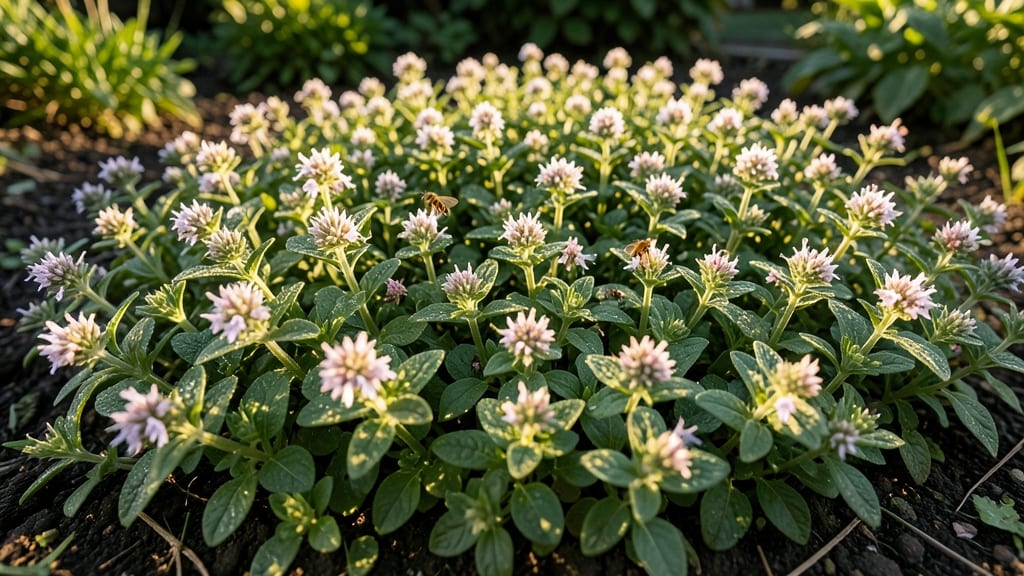
Want a pollinator magnet that doubles as a weed-suppressing ground cover? Oregano delivers—its aggressive spread smothers weeds while drawing bees and butterflies to your garden, all with zero effort after establishment.
Plant Greek oregano (Origanum vulgare) in full sun to partial shade with well-draining soil, and watch it form dense mats that crowd out unwanted plants. The real reward comes after the first frost when its flavor deepens into a rich, earthy intensity—perfect for winter cooking. For containers, use dwarf varieties like ‘Compactum’ to control its spread while still enjoying its benefits.
Ideal for urban gardeners or anyone tired of weeding, oregano’s dual-purpose nature makes it a smart choice for borders, pathways, or even as a living mulch. Just be prepared for its enthusiasm to spread! 🌻
Thyme Varieties for Drought-Tolerant Edging
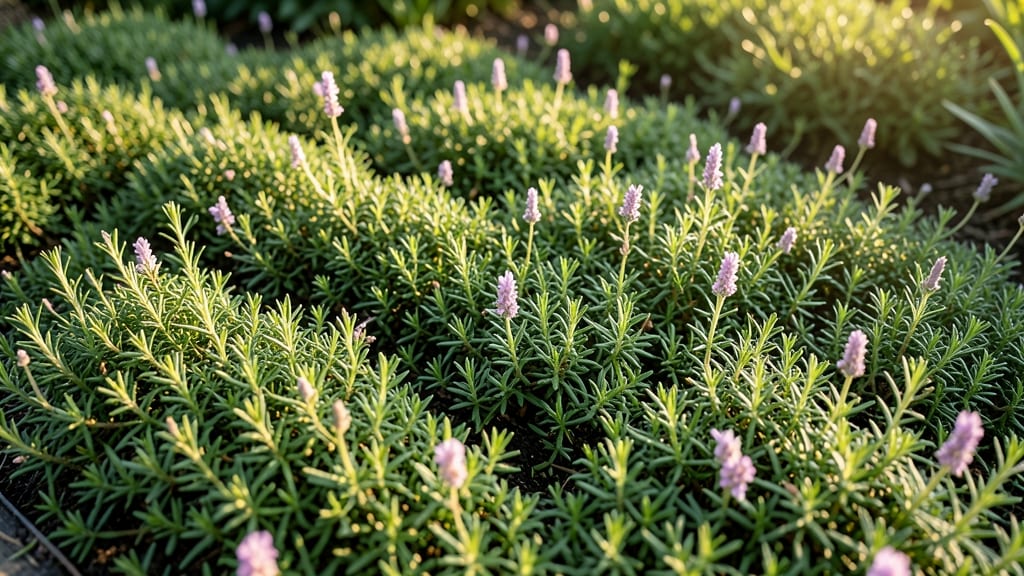
Tired of battling weeds along your garden edges? Creeping thyme varieties like ‘Elfin’ or ‘Carolina’ create a living carpet that smothers weeds naturally while requiring almost no water once established.
These drought-tolerant ground covers thrive in full sun to partial shade, forming dense mats that stay green even during dry spells. For a fragrant twist, try lemon thyme—its citrusy leaves add a zesty aroma to dishes and borders. Simply plant in well-draining soil, space 12 inches apart, and watch them spread effortlessly.
Perfect for beginners or busy gardeners, thyme edging eliminates mulching and weeding while adding texture and fragrance. Your borders will stay lush and low-maintenance all season. 🌿
Lavender for Calming Aromatherapy Gardens
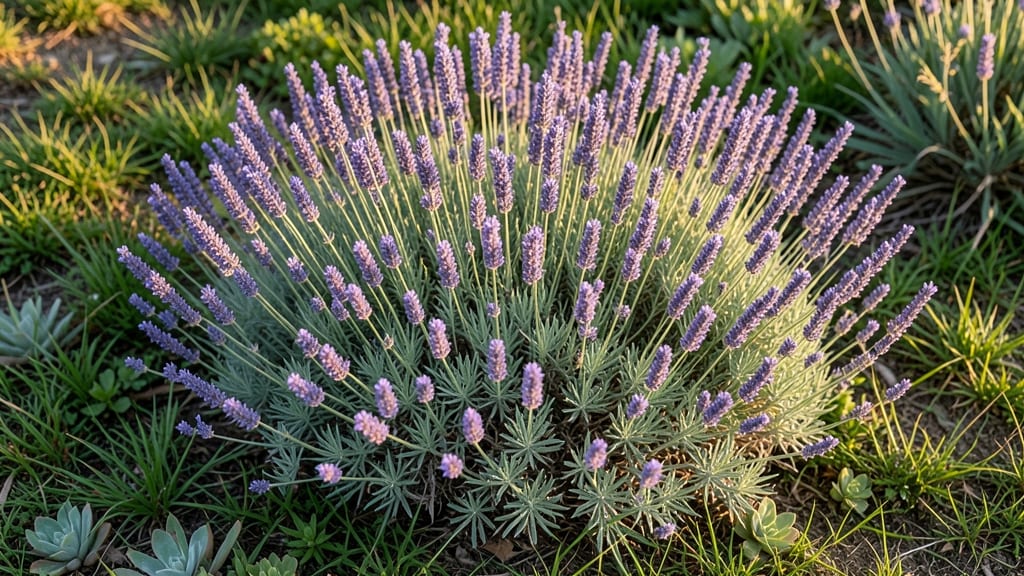
Transform your garden into a serene retreat with lavender, where its signature fragrance doesn’t just relax you—it also keeps pests at bay. This versatile herb repels mosquitoes, rabbits, and even deer, making it a natural barrier while adding beauty and calm to your space.
For Zone 9’s humidity, opt for French lavender (Lavandula dentata), which handles damp air better than English varieties. Plant it in full sun with well-draining soil, water sparingly (only when soil is completely dry), and prune lightly after blooming to encourage bushier growth. Bundle stems and hang to dry for sachets or use fresh in aromatherapy.
Perfect for gardeners who love multi-functional plants, lavender thrives with minimal care while doubling as a pest deterrent and stress reliever. 🌿
Mint Plants for Containers Only
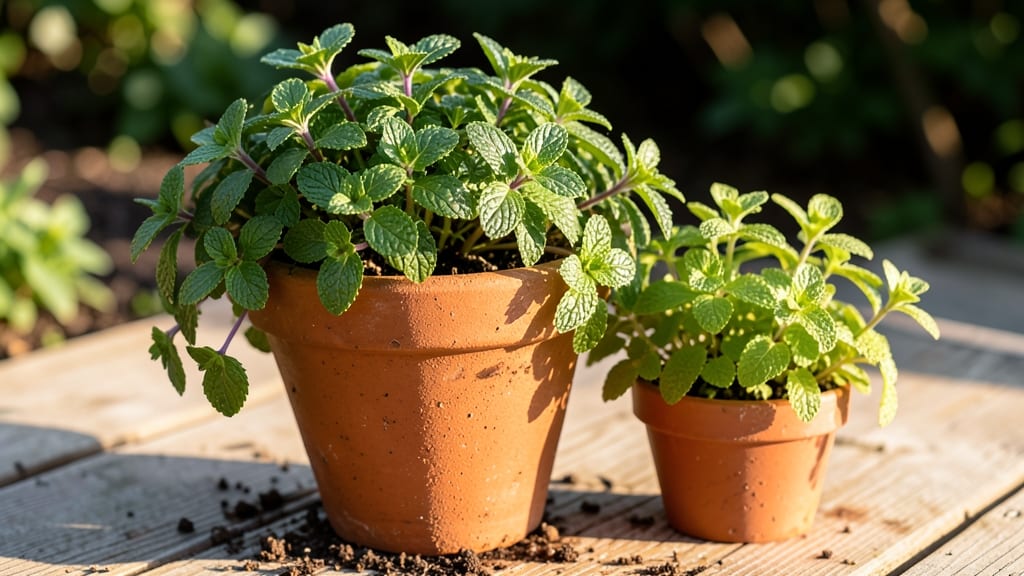
Want a perennial herb that’s bold in flavor but easy to control in Zone 9’s heat? Mint is your answer—just keep it in containers to prevent it from taking over your garden. This fast-growing herb thrives in full sun to partial shade and loves moist, well-draining soil.
Choose from classic Peppermint or Spearmint for refreshing teas and cocktails, or try Chocolate Mint for a unique twist that pairs beautifully with desserts. Plant in pots with drainage holes and place them in a sunny spot—water regularly to keep the soil moist but not soggy. Prune leaves as needed to encourage bushier growth and prevent legginess.
Urban gardeners and small-space growers will love how mint’s compact growth in containers makes it perfect for patios, balconies, or even kitchen windowsills. Just remember to refresh the soil annually for continued vigor. 🌱
Sage for Fire-Resistant Landscapes
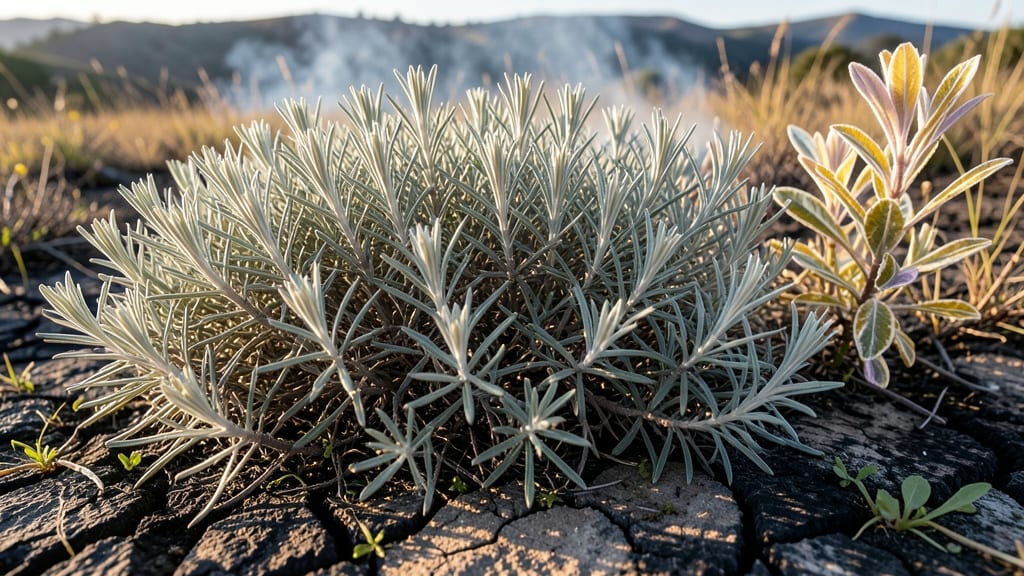
Want a fire-resistant herb that thrives in Zone 9’s harshest conditions? White sage (Salvia apiana) and golden sage (Salvia officinalis ‘Tricolor’) survive wildfires, drought, and even deer grazing—making them the ultimate low-maintenance choice for high-risk landscapes.
These hardy perennials tolerate poor, rocky soil and need minimal water once established. Their silvery-green foliage adds texture while repelling pests naturally. Harvest leaves anytime for culinary uses (stuffing, teas) or smudging ceremonies—just avoid over-pruning to maintain their bushy form. Plant in full sun for best resilience.
Ideal for wildfire-prone areas or urban gardens with limited water, sage’s dual-purpose benefits make it a standout for both safety and utility. 🌻
Chives for Edible Flower Beds
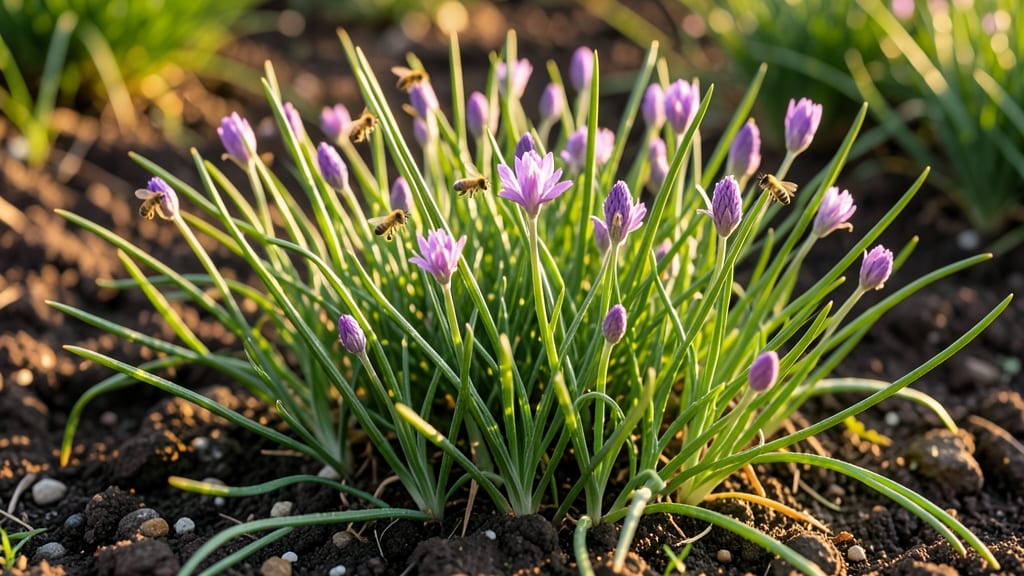
Want an herb that doubles as a beautiful pollinator magnet while adding fresh flavor to your meals? Chives are the perfect solution—this Zone 9 perennial produces delicate purple blooms that bees adore, all while keeping its mild onion-garlic flavor ready for harvest.
Plant chives in full sun to partial shade with well-draining soil, and watch them thrive with minimal care. The key to their productivity is deadheading spent flowers—simply snip them back after blooming to redirect energy into lush, year-round leaf growth. You’ll enjoy both the edible leaves and the cheerful blooms without sacrificing one for the other.
Ideal for urban gardeners or small-space growers, chives fit perfectly in containers or flower beds, making them a versatile choice for both culinary and ornamental use. 🌟
Stevia for Sugar-Free Sweetener
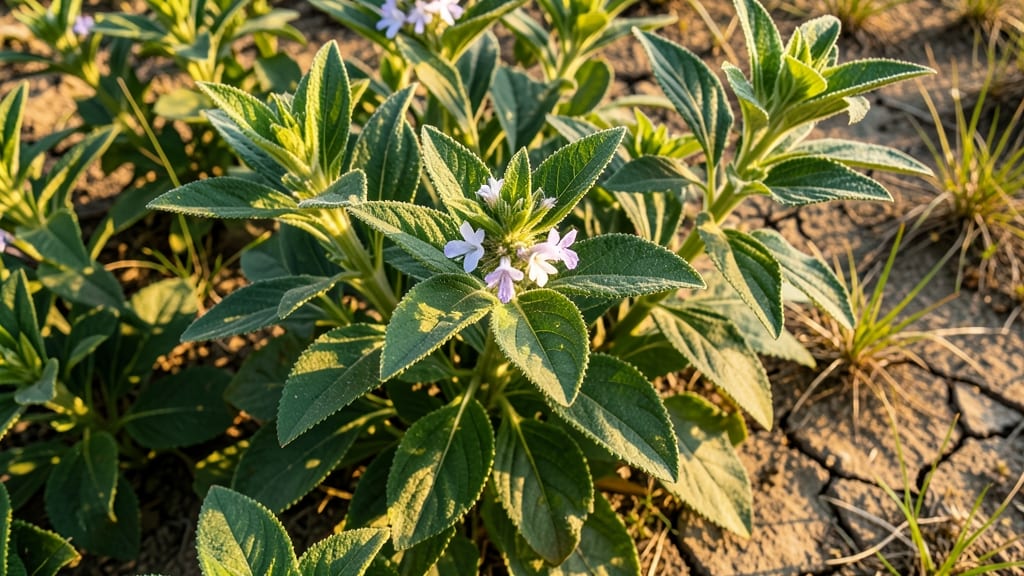
Want a natural sweetener that grows right in your Zone 9 garden? Stevia delivers 30x the sweetness of sugar with zero calories, making it a game-changer for health-conscious gardeners and tea lovers alike.
This hardy perennial thrives in poor soil and full sun, requiring minimal water once established. For the sweetest flavor, harvest leaves before flowering—you can use them fresh or dry them for tea blends. Stevia’s resilience makes it perfect for neglected corners of the garden where other herbs might struggle.
Ideal for beginners or urban gardeners with limited space, stevia’s dual-purpose nature (culinary and medicinal) makes it a must-try for anyone looking to grow their own sugar substitute. 🌻
Lemon Balm for Mosquito-Repellent Paths
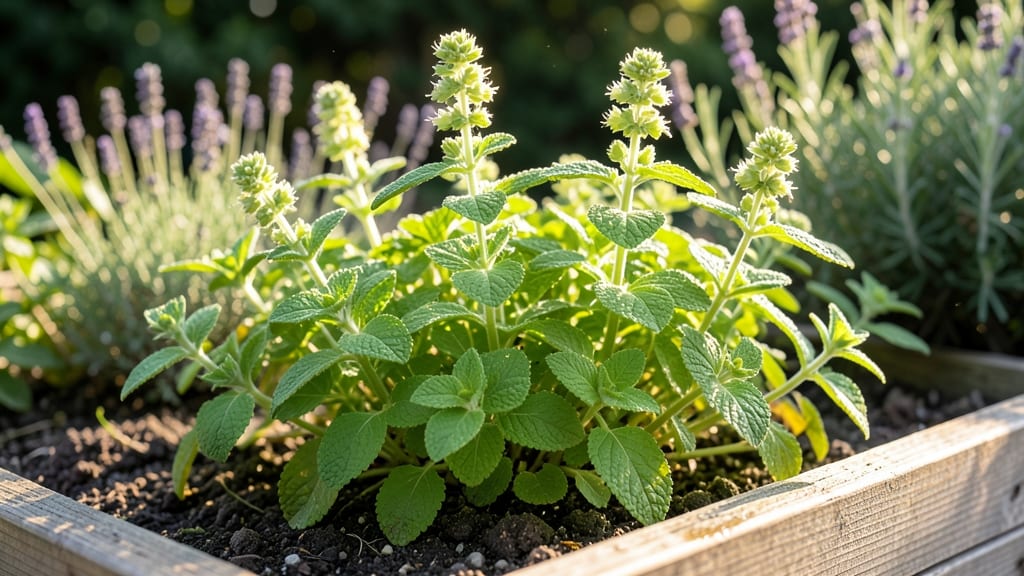
Want to enjoy outdoor relaxation without the buzzing annoyance of mosquitoes? Lemon balm is your secret weapon—this fast-growing, fragrant herb acts as a natural insect repellent while adding a citrusy charm to your garden.
Plant lemon balm in partial shade to full sun with moist, well-draining soil, and watch it spread quickly to form lush mounds. Its lemon-scented leaves deter mosquitoes and other pests when crushed, making it perfect for lining pathways or planting near patios. Beyond pest control, harvest the leaves for refreshing lemony teas or culinary uses like lemonade or desserts.
Ideal for gardeners who love multi-functional plants, lemon balm thrives in Zone 9's climate and spreads easily—just contain it in borders to prevent it from taking over. Your evenings will stay bug-free and fragrant! 🌿
Tarragon for French-Inspired Cooking

Want to bring the essence of French cuisine to your Zone 9 garden without the fuss? Russian tarragon (Artemisia dracunculus ‘Siberian’) is your secret weapon—this hardy perennial thrives in your climate while delivering that signature anise-like flavor perfect for béarnaise sauce and beyond.
Unlike its less cold-hardy cousins, this variety handles Zone 9’s mild winters beautifully and loves full sun to partial shade. The key to keeping it lush? Regular pruning—snip back leggy stems in early spring to encourage bushy, fragrant growth. It’s also surprisingly drought-tolerant once established, making it a low-water champion for your herb collection.
Ideal for serious cooks or gardeners who love a challenge, tarragon adds a refined touch to any culinary garden while requiring minimal effort. Your taste buds—and your garden—will thank you. ✨