
Planting
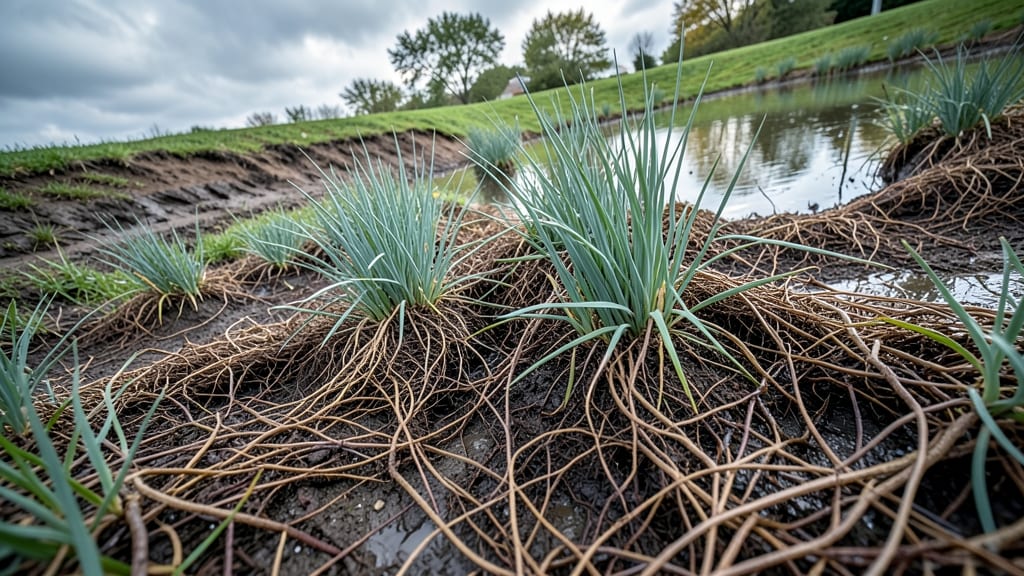
Rain gardens need perennials that handle both soggy soil and dry spells. These 10 drought-tolerant plants not only survive wet conditions but also add beauty, pollinator support, and year-round interest to your landscape.
Purple Coneflower Thrives in Wet Conditions
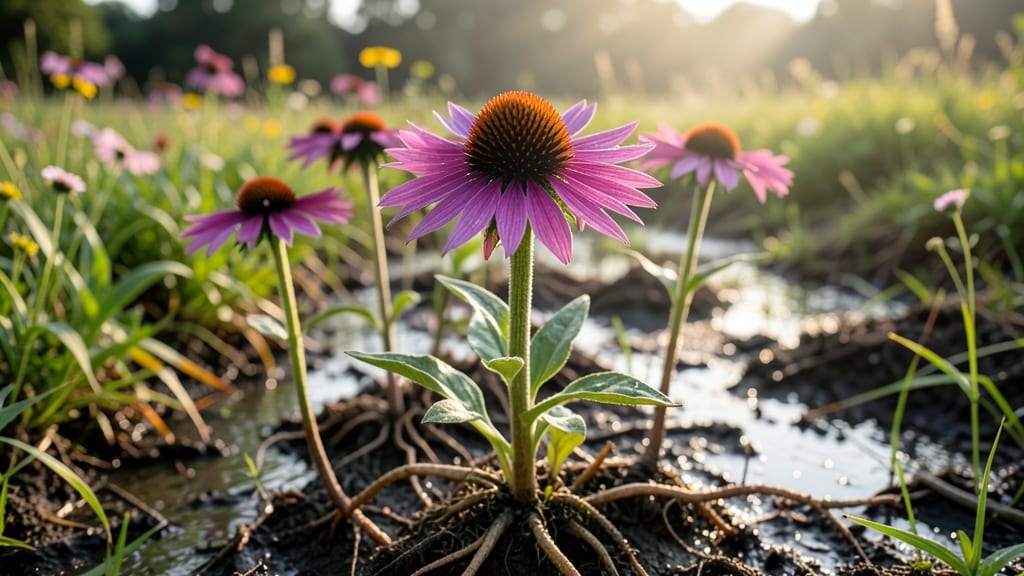
Looking for a low-maintenance superstar that turns soggy spots into pollinator hotspots? Purple coneflower (Echinacea purpurea) thrives where most plants wilt, thanks to its deep taproot system that handles both wet soils and drought once established.
This native perennial blooms from midsummer through fall, providing months of color while attracting bees, butterflies, and birds. Its erosion-preventing roots make it ideal for rain garden centers, where it stabilizes soil while adding vertical interest. Plant in full sun for maximum blooms—just avoid overwatering once established.
Perfect for eco-conscious gardeners, purple coneflower requires no special care beyond occasional deadheading. It’s the ultimate multi-season workhorse for sunny, wet areas. 🌻
Swamp Milkweed Attracts Monarch Butterflies
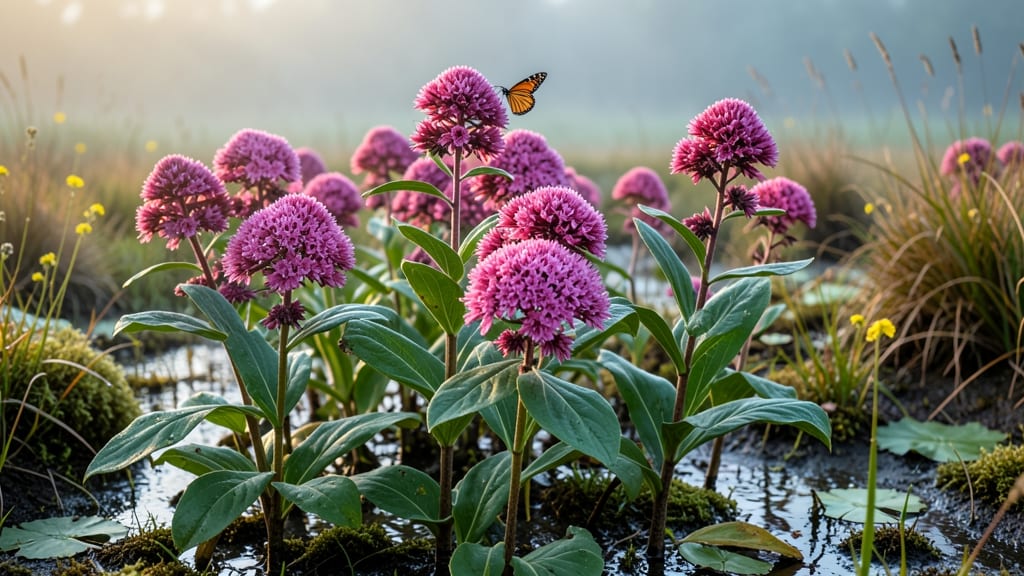
If you want to make a real difference for monarch butterflies, swamp milkweed (Asclepias incarnata) is your go-to rain garden superstar. Unlike other milkweeds, it thrives in saturated soils—even standing water—and provides critical late-season nectar when few other flowers remain.
This native perennial grows 3-5 feet tall with clusters of fragrant pinkish-purple blooms that attract monarchs, bees, and hummingbirds. Plant it in full sun to partial shade (USDA zones 3-9) and watch it spread via rhizomes, creating lush colonies. The deep roots also help prevent erosion in wet areas. For maximum impact, pair it with other moisture-loving perennials like Joe Pye weed or blue flag iris.
Perfect for eco-conscious gardeners, swamp milkweed delivers year-round benefits: early spring foliage, summer blooms, and seed pods that feed caterpillars. It’s the ultimate win-win for conservation and beauty. 🌻
Joe Pye Weed Creates Dramatic Height
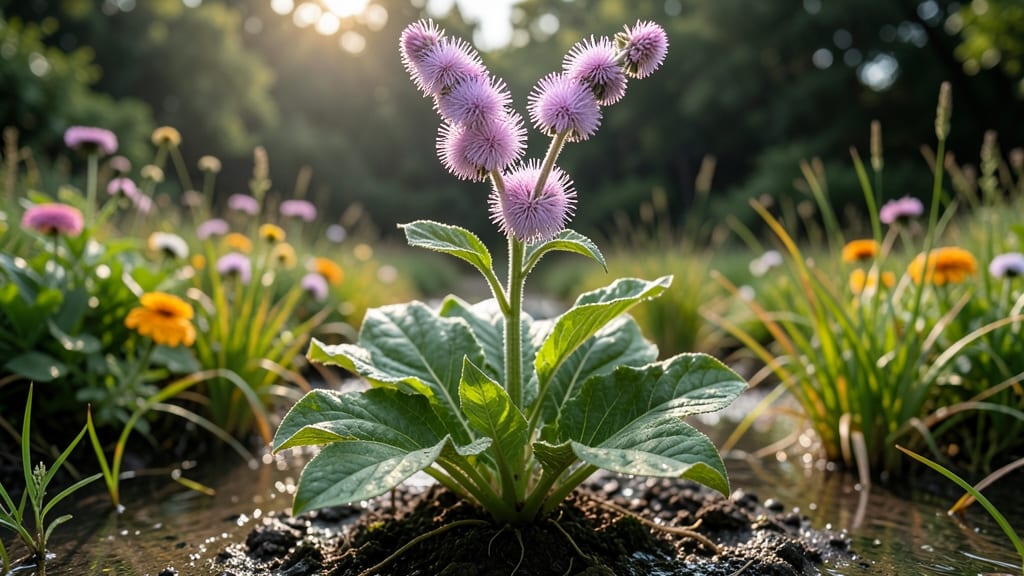
If your rain garden feels flat or lacks vertical drama, Joe Pye weed is the plant to reach for—literally. This native powerhouse grows 4-7 feet tall, creating bold focal points that draw the eye upward while thriving in the wettest spots.
Its pink-purple blooms appear in late summer, attracting butterflies, bees, and hummingbirds with their nectar-rich flowers. Plant 3-5 stems together for maximum impact, and pair them with shorter perennials like blue flag iris or culver’s root to create natural layers. Unlike many rain garden plants, Joe Pye weed tolerates both full sun and partial shade, making it versatile for tricky light conditions.
Perfect for gardeners who want low-maintenance height without the fuss of trellises, this plant also supports local ecosystems by providing late-season sustenance for pollinators. 🌻
Blue Flag Iris Adds Wetland Color
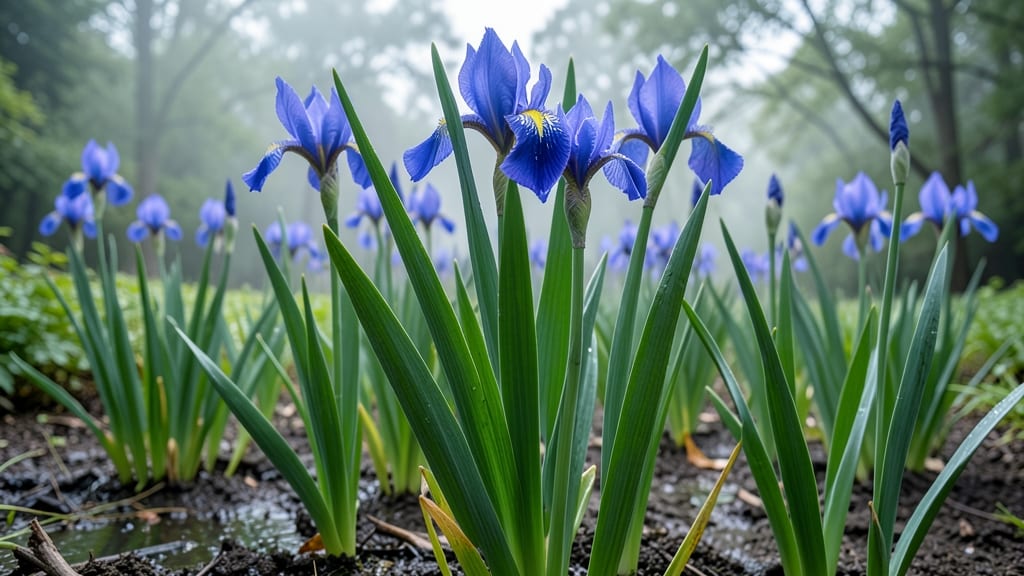
If you're looking for a bold statement plant that thrives where others falter, blue flag iris (Iris versicolor) delivers with its striking blue-purple blooms and sword-like foliage. This native wetland beauty isn’t just drought-tolerant—it craves moisture, making it perfect for rain garden borders where water pools after storms.
Unlike high-maintenance perennials, blue flag iris requires almost no care once established. Its deep roots stabilize soggy soil while its late spring to early summer blooms provide nectar for bees and butterflies. Plant in full sun to part shade, and watch it spread naturally over time—ideal for gardeners who want color without the upkeep.
Perfect for beginners or eco-conscious gardeners, this iris adds wetland charm with minimal effort. 💚
Cardinal Flower Thrives in Shade
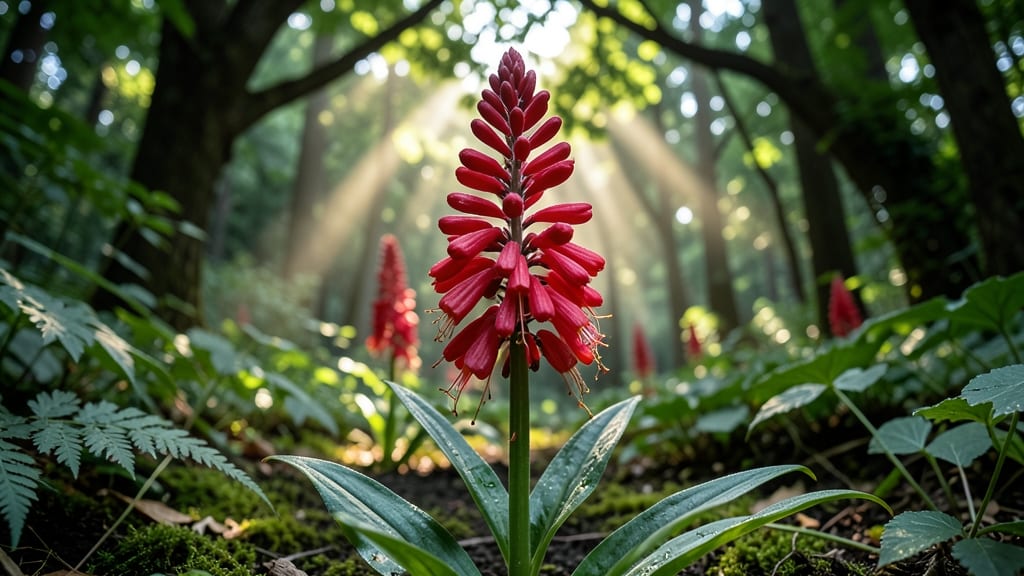
When your rain garden sits under the canopy of mature trees, most perennials wilt—but cardinal flower (Lobelia cardinalis) thrives in these shady, moist conditions where others fail. Its striking bright red blooms (reaching 3-4 feet tall) create a bold focal point that hummingbirds can't resist.
This native perennial prefers partial shade and consistently moist—but not soggy—soil, making it ideal for rain garden edges or understory plantings. Deadhead spent blooms to encourage a second flush of flowers, and divide clumps every 3-4 years to maintain vigor. Cardinal flower's vertical structure adds drama while supporting pollinators in late summer when many gardens are winding down.
Perfect for gardeners with limited sun or those wanting to add vertical interest without sacrificing moisture tolerance, this plant delivers year after year with minimal care. 🌻
Culver's Root Stands Out with Unique Blooms
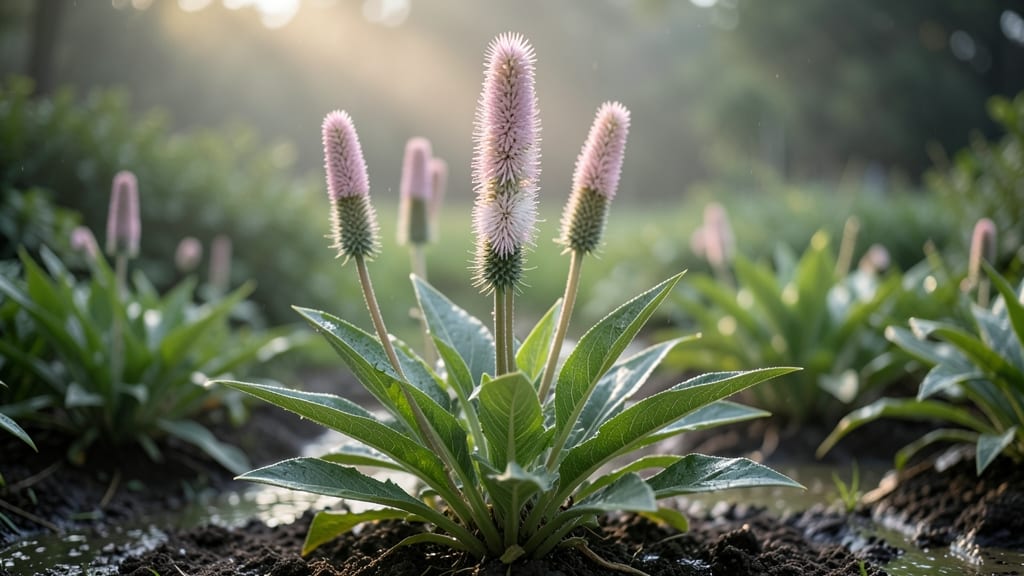
Looking for a perennial that adds drama to your rain garden while handling soggy soil with ease? Culver’s root delivers with its striking, bottlebrush-like blooms in shades of white to pink, creating an architectural focal point that stands out from traditional flowers.
This native North American plant thrives in saturated soils and blooms late in the season (August to October), providing color when many other perennials have faded. Its spiky, vertical flowers contrast beautifully with softer foliage, making it perfect for adding height and texture to your design. Plus, it’s low-maintenance and attracts pollinators like bees and butterflies.
Ideal for gardeners who want late-season interest without the fuss, Culver’s root is a standout choice for rain gardens in full sun to partial shade. Pair it with grasses or other moisture-loving perennials for a show-stopping display. ✨
Marsh Marigold Brightens Early Seasons
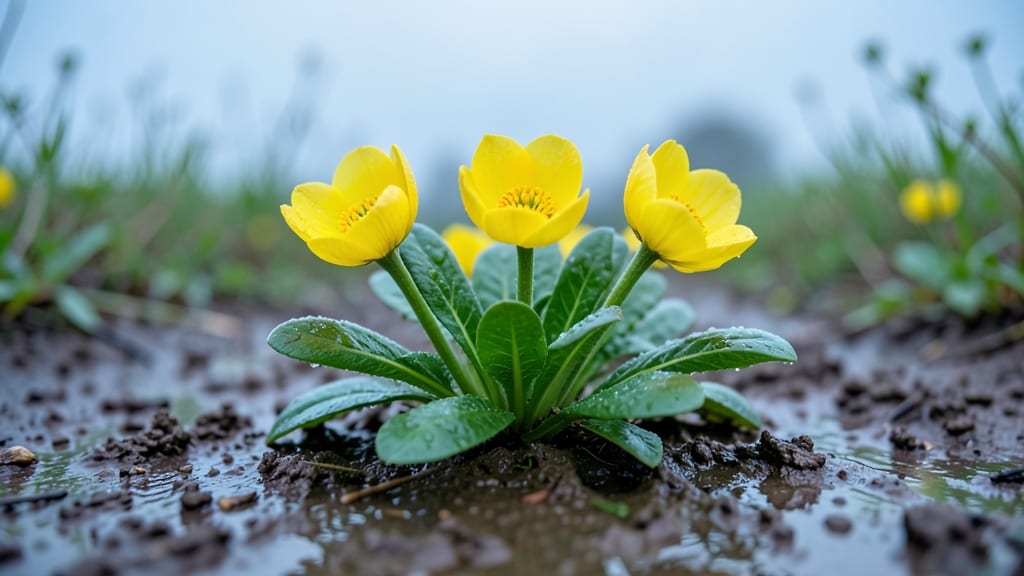
When your rain garden feels bare before spring’s peak bloomers arrive, marsh marigold (Caltha palustris) arrives like a cheerful surprise. This hardy perennial emerges early—often in late winter or early spring—delivering bright yellow, cup-shaped flowers that light up soggy areas before most plants even think about waking up.
Perfect for USDA zones 3-9, marsh marigold thrives in standing water or damp soils, making it ideal for rain garden edges or wetland borders. Its glossy, round leaves add texture year-round, and it spreads gently to form lush colonies. For best results, plant in partial to full sun—just avoid overly dry conditions once established. 🌻
This understated star is a must-have for pollinators like bees and butterflies, offering nectar when few other flowers are available. Gardeners in cooler climates will love how it brightens early seasons while requiring almost no maintenance—just a damp spot to call home. 💚
Sweet Flag Provides Year-Round Interest
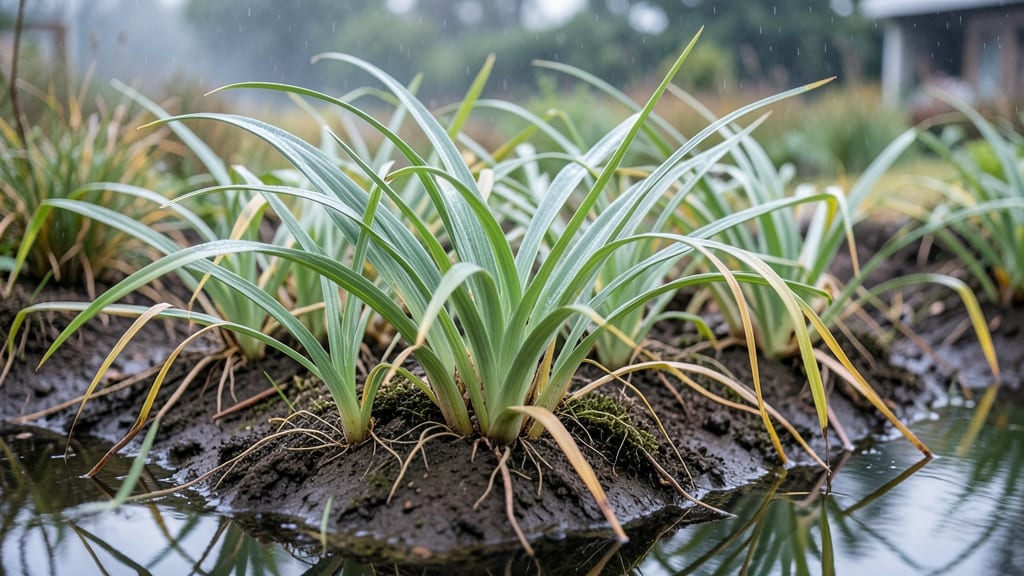
If you're looking for a low-maintenance plant that thrives where others fail, sweet flag (Acorus calamus) is your secret weapon. This semi-aquatic perennial handles complete soil saturation—even standing in shallow water—while adding a unique, grass-like texture to your rain garden or pond edges.
With its arching, sword-shaped leaves and delicate yellowish-green plumes, sweet flag provides year-round visual interest without the fuss of seasonal blooms. It spreads slowly, making it ideal for containment along borders or as a background accent near water features. Plus, it’s deer-resistant and drought-tolerant once established, giving you a hardy, versatile addition to wet landscapes.
Perfect for gardeners who want easy-care texture without sacrificing beauty, sweet flag is especially great for urban rain gardens or small spaces where moisture lingers. 🌿
Great Blue Lobelia Creates Waterfall Effect
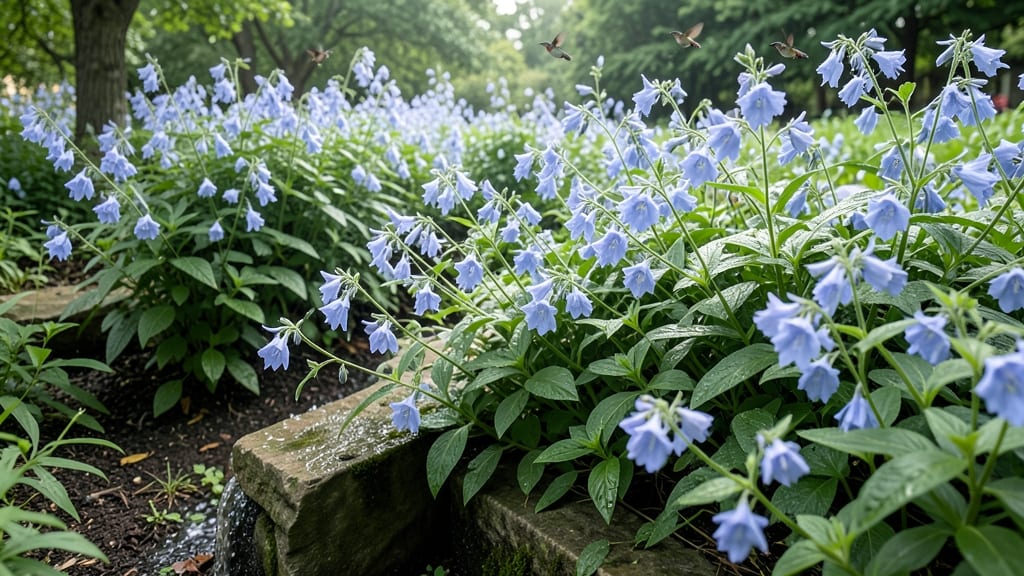
Want to add a dramatic waterfall effect to your rain garden without the fuss of traditional vines? Great blue lobelia (Lobelia siphilitica) spills over edges with delicate, sky-blue blooms that hummingbirds can’t resist. This native perennial thrives in moist, well-drained soils and even tolerates occasional flooding—perfect for rain garden borders or container cascades.
Plant it in partial to full sun for the best blooms, and pair it with taller perennials like Joe Pye weed to create a layered, softening effect. Lobelia’s trailing habit also helps soften hard edges while adding vertical interest. Deadhead spent blooms to encourage continuous flowering from summer through fall.
Ideal for gardeners who love low-maintenance yet high-impact plants, lobelia’s vibrant blue hue brightens shady spots and attracts pollinators—making it a must-have for eco-friendly rain gardens. 🌻
Sedge Grass Stabilizes Soil Naturally

If your rain garden struggles with erosion or muddy soil after heavy rains, sedge grass is your unsung hero. Unlike showy blooms, this fibrous grass works behind the scenes to lock soil in place with its dense, tangled roots—ideal for slopes, pond edges, or areas prone to runoff.
Native to wetlands, sedge grass thrives in saturated soils and even tolerates occasional flooding, making it perfect for rain garden bases. Its fine-textured blades (often green or blue-green) add subtle movement and contrast to wildflower borders. For best results, plant in clumps along water features or as a living mulch to prevent erosion while keeping maintenance low.
This low-growing perennial is especially valuable for eco-conscious gardeners and those with sloped properties, as it requires no fertilizer or pruning. Let sedge grass handle the heavy lifting while other perennials steal the show. 🌿