
Planting
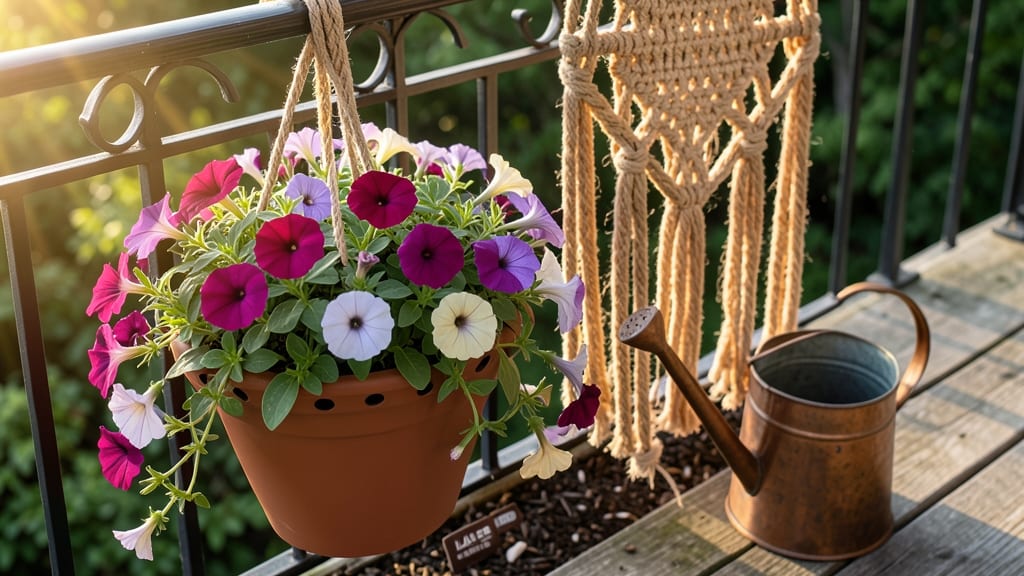
Petunia hanging plant care transforms patios into living waterfalls of color—if you nail the routine. 🌸 The biggest mistake? Treating them like ground plants. These cascading beauties need more frequent watering, better airflow, and regular deadheading to keep those blooms pouring out all season.
Start with a well-draining potting mix and a basket with drainage holes—no exceptions. These plants thrive in full sun (6+ hours daily) but appreciate afternoon shade in scorching climates. I’ve seen petunias wilt within hours of afternoon sun exposure, so position them carefully.
Feed them every 2 weeks with a balanced liquid fertilizer once blooms appear, and you’ll get nonstop flowers from spring until frost.
Pruning is where the magic happens: snip spent blooms at the base, and the plant responds with fresh growth. Let them get leggy, and they’ll flop over the edges—cut back by 1/3 in early summer to encourage bushier, fuller trails.
The payoff? Baskets so packed with blooms, you’ll forget they’re not a wildflower meadow.
Troubleshoot wilting by checking soil moisture daily (they dry faster in hanging containers) and watch for spider mites on the undersides of leaves. A quick spray with water usually clears them out. With these tweaks, your petunias will outperform any ground-planted flowers—no green thumb required, just consistent care.
📚 In This Guide
- What you need
- Instructions
- Tips and common mistakes
- Wrapping up and next steps
What you need
- ● Petunia plants: 3–5 healthy hanging baskets or trailing varieties (e.g., 'Wave,' 'Supertunia,' or 'Tumbling Waters').
- ● Hanging baskets: 8–12" diameter, with drainage holes (plastic or coconut fiber).
- ● Potting mix: 1–2 bags of lightweight, well-draining hanging basket mix (avoid heavy garden soil).
- ● Slow-release fertilizer: 1–2 cups of balanced 10-10-10 or 12-12-12 granules (or liquid fertilizer).
- ● Watering can: 1–2 gallons with a narrow spout for deep watering.
- ● Scissors or pruners: Small, sharp pair for trimming dead blooms or leggy stems.
- ○ Mulch (optional but helpful): ½ cup of orchid bark or sphagnum moss to retain moisture.
- ● Gloves: 1 pair to protect hands from thorns or soil.
- ● Plant ties or clips: 2–3 (if securing petunias to trellises in baskets).
- ○ pH test kit: 1 (optional, to check soil pH—ideal range: 6.0–7.0).
- ● Spray bottle: 1 (for misting leaves in hot/dry climates).
- ● Decorative accents: Moss, pebbles, or hanging charms (for aesthetic flair!).
Step-by-Step instructions for petunia hanging plant care
Here's how to keep your petunias blooming nonstop—no guesswork, just vibrant cascades.
🪴 Step 1: Select the Right Hanging Container
Choose a 10-12 inch diameter hanging basket with multiple drainage holes—petunias despise soggy roots. I prefer lightweight plastic or woven fiber baskets because they dry out faster than terra cotta. Line the bottom with 2-3 inches of moisture-retentive liner (like coconut coir) to prevent soil from spilling through the holes.
Place a 2-3 inch layer of orchid bark or perlite over the liner to improve drainage. This layer prevents compaction and ensures excess water flows out quickly. If you're using a pre-lined basket, skip this step—just make sure the liner has drainage holes too.
🌱 Step 2: Plant with Proper Spacing and Soil Mix
Fill the basket halfway with a lightweight potting mix blended with 20% perlite or vermiculite. Petunias need airy soil that drains well but retains moisture. I like to add a handful of slow-release fertilizer (10-10-10) directly to the mix for a nutrient boost at planting time.
Space plants 6-8 inches apart—crowding leads to weak stems and fewer blooms. Remove plants from their nursery pots and gently tease apart roots if they're root-bound. Plant each one so the top of the root ball sits 1 inch below the basket rim. This gives you room to add more soil later as plants grow.
💧 Step 3: Water Deeply and Establish a Routine
Water immediately after planting until water runs freely from the drainage holes. Petunias need consistent moisture, but soggy soil causes root rot. I water in the morning so plants have all day to dry slightly before evening. Check soil moisture by sticking your finger 1 inch deep—if it feels dry, it's time to water.
After the first week, let the top inch of soil dry between waterings. You'll notice leggy growth if you overwater—this is a sign roots aren't getting enough oxygen. A good rule: if the basket feels light, it's thirsty. If it's heavy, wait another day.
☀️ Step 4: Position for Maximum Blooms
Petunias thrive in 6+ hours of direct sunlight daily. A south or west-facing location delivers the best results, but east-facing works too if you supplement with a grow light during cloudy days. I rotate my baskets a quarter turn weekly so plants grow evenly instead of leaning toward the light.
Watch for leaf scorch—if edges turn crispy brown, your petunias are getting too much midday sun. Move to partial shade (morning sun + afternoon shade) if this happens. Mulch the soil surface with ½ inch of bark mulch to retain moisture and keep roots cool.
✂️ Step 5: Prune and Fertilize for Continuous Blooms
Deadhead spent blooms immediately by pinching off the flower stem just above the next set of leaves. This encourages more buds to form. I do this every morning—it takes just 2 minutes per basket but doubles your bloom count. If flowers fade before you notice, don't worry; petunias are forgiving.
Feed every 2-3 weeks with a balanced liquid fertilizer (20-20-20) diluted to half strength. You'll see a surge in new growth within 5-7 days. Stop fertilizing in late summer to let plants harden off naturally before cooler weather arrives.
Tips & tricks for petunia hanging plant care
These simple strategies will help your petunias thrive and keep blooming like they're in a professional garden display.
Drainage is Non-Negotiable: In Step 1, when setting up your hanging basket, make sure the drainage holes in the liner are clear and unobstructed. I've seen petunias suffer from root rot because the liner's drainage holes were smaller than the basket's—always double-check this before planting. The 2-3 inch layer of orchid bark or perlite you add is your first line of defense against waterlogging, so don't skip it even if your liner looks thick.
Soil Mix Matters: The 20% perlite or vermiculite blend in Step 2 isn't just about drainage—it's about aeration too. Petunia roots need oxygen to thrive, and compacted soil suffocates them. I like to give the soil mix a gentle fluff with my fingers before adding it to the basket. This creates tiny air pockets that roots will thank you for later. Also, if you're using store-bought potting mix, check the label—some brands are heavier than others and may need extra perlite.
Morning Watering Routine: Stick to the morning watering schedule from Step 3, but here's the secret: always water until the soil is evenly moist to a depth of 2 inches, not just 1. This encourages deeper root growth. I use a watering can with a long spout to reach all areas of the basket. If you notice water running out the bottom immediately, that's a sign your soil mix needs more perlite to improve drainage.
Sunlight Strategy: When positioning your baskets in Step 4, pay attention to the quality of light, not just the quantity. East-facing locations can work, but supplement with a grow light for 2-3 hours on cloudy days. I've found that LED grow lights placed 12 inches above the baskets work perfectly. Also, if your petunias start looking pale or stretched, they're not getting enough light—move them to a sunnier spot or add more light.
Pro Tips for Petunia Hanging Plant Care
- These simple strategies will help your petunias thrive and keep blooming like they're in a professional garden display.
- Drainage is Non-Negotiable: In Step 1, when setting up your hanging basket, make sure the drainage holes in the liner are clear and unobstructed.
- Soil Mix Matters: The 20% perlite or vermiculite blend in Step 2 isn't just about drainage—it's about aeration too.
Frequently asked questions
Got questions about keeping your petunia hanging plants blooming beautifully? We’ve got answers!
Here are some of the most common concerns—plus quick fixes to keep your cascading petunias thriving.
How often should I water my petunia hanging plants?
Water your petunias when the top inch of soil feels dry—usually every 1-2 days in hot weather. Hanging baskets dry out faster than ground pots, so check them daily during heatwaves. Pro tip: Water in the morning to reduce evaporation and fungal risks.
When is the best time to fertilize petunia hanging plants?
Feed your petunias every 2-3 weeks during the growing season (spring to fall) with a balanced, water-soluble fertilizer (10-10-10 or 20-20-20). For extra blooms, use a low-nitrogen, high-phosphorus formula. Skip fertilizing in winter when growth slows.
Why are my petunia leaves turning yellow or brown?
Yellow leaves often signal overwatering or poor drainage, while brown edges can mean underwatering or sunburn. Check for pests like aphids or spider mites () too! Adjust watering, ensure pots have drainage holes, and move plants to partial shade if leaves scorch in intense sun.
Can I grow petunias in hanging baskets year-round?
Petunias thrive in warm climates (zones 10-11) year-round, but in cooler areas, treat them as annuals. Overwinter them indoors near a sunny window or replant fresh baskets in spring. Alternative: Try trailing calibrachoa or fuchsia for cold-hardy hanging color.
How do I keep petunias blooming all season?
Deadhead spent blooms regularly (twice a week) to encourage new flowers. Prune leggy stems by pinching back tips, and rotate baskets weekly for even sun exposure. A light trim after blooming peaks can trigger a second flush of flowers!
Wrapping up and next steps
Caring for your petunia hanging plant is all about balance—sunshine, water, and a little TLC go a long way! With the right soil mix, pruning, and seasonal adjustments, you’ll enjoy bursts of vibrant blooms that turn any space into a cascading garden. 🌸
Ready to watch your petunias thrive? Grab those shears, check your watering schedule, and get growing—your hanging garden is about to become the star of the show! 🌿 For more tips, explore seasonal care guides or share your progress with fellow plant lovers.