
Planting
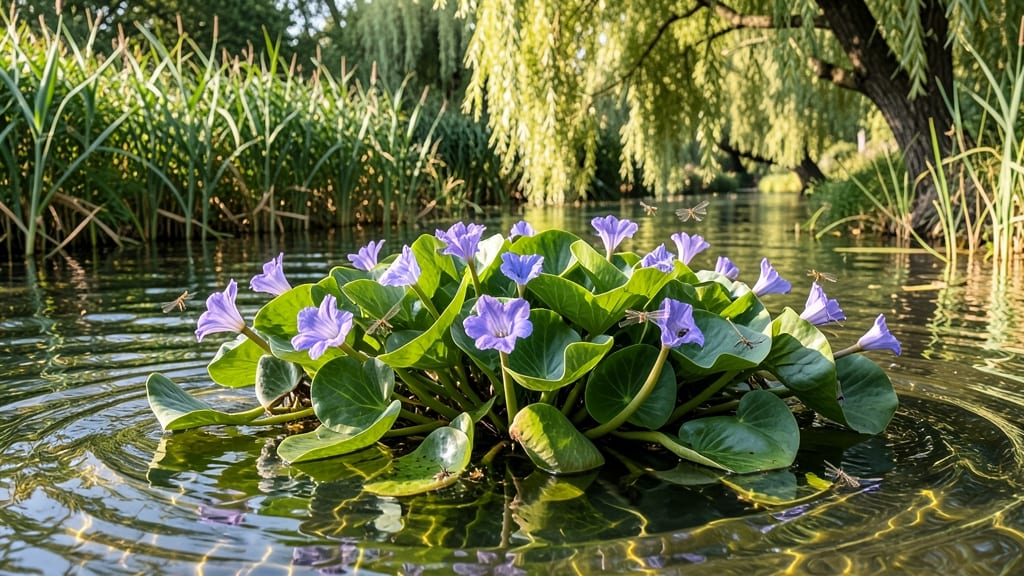
River ecosystems support diverse plant life through specialized adaptations that allow them to thrive in flowing water, including floating leaves, submerged stems, and rapid nutrient uptake, creating vital habitats that purify water, prevent erosion, and sustain aquatic life.
These aquatic plants have evolved remarkable features to survive river conditions.
Many develop hollow stems filled with air pockets, which help them stay buoyant in currents, while others grow flexible roots that anchor to shifting riverbeds. 🌿 The submerged leaves of species like pondweed maximize photosynthesis efficiency in low-light conditions, while floating plants such as water lilies shade the water below, creating cooler microhabitats for fish and invertebrates.
Beyond survival, river vegetation plays crucial ecological roles. Their dense root systems trap sediments, reducing erosion and stabilizing banks, while their leaves act as natural water filters, absorbing excess nutrients that might otherwise cause harmful algal blooms.
These plants also form the base of aquatic food webs, providing shelter and food for everything from tiny zooplankton to large fish species.
💡 In This Article
- How River Plants Adapt to Flowing Water
- Key Roles of River Vegetation in Ecosystems
How river plants adapt to flowing water
River plants have evolved extraordinary adaptations to survive in one of Earth's most challenging environments. The constant movement of water creates a dynamic habitat where plants must anchor themselves securely while still accessing sunlight for photosynthesis.
Many species, like water lilies, develop floating leaves that rest on the water's surface, allowing them to capture sunlight without being swept away by currents.
These leaves often have waxy coatings that repel water, preventing them from becoming waterlogged—a critical adaptation since submerged leaves would struggle to photosynthesize efficiently in flowing water.
Below the surface, plants like pondweed and elodea grow submerged stems with air-filled cavities, which serve as natural buoyancy chambers. These air pockets, sometimes called aerenchyma, help plants stay upright in fast-moving water while also facilitating gas exchange.
The stems often have flexible, segmented structures that bend with the current rather than breaking, allowing them to withstand water speeds of up to 3-5 feet per second.
Some species, such as watercress, even develop root systems that can extend up to 3 feet deep into the riverbed, anchoring firmly while still allowing flexibility to accommodate shifting sediments.
The way river plants reproduce is equally fascinating. Many species rely on wind or water dispersal for their seeds. For example, cattails release lightweight seeds that float on water currents, while others like water hyacinth produce buoyant seed pods that can travel long distances before taking root.
This adaptation ensures genetic diversity and colonization of new areas as river levels fluctuate seasonally. 🌊 What's particularly remarkable is how some plants, like duckweed, can double their biomass in just 4-6 days under optimal conditions, allowing them to quickly recolonize areas after floods or droughts.
Light availability presents another challenge in rivers, where water movement can limit how long plants stay in optimal sunlight positions. Many submerged species have developed large, thin leaves with high surface areas to maximize light absorption, even in turbid water.
Some, like coontail, grow in dense clusters that create their own microhabitats, while others, such as water crowfoot, have leaves arranged in whorls that can rotate to follow the sun's path—a behavior known as heliotropism. This adaptation increases their photosynthetic efficiency by up to 30% compared to stationary leaves.
Temperature fluctuations also play a role in river plant adaptations. Species in temperate rivers often enter a dormant state during winter, with some like water lilies completely withdrawing their leaves and stems below the waterline.
Others, such as watercress, develop thick, waxy coatings on their leaves that act as insulation against cold temperatures. This dual strategy—adapting to both physical movement and thermal variations—allows river plants to maintain metabolic activity year-round, even in harsh conditions.
One of the most fascinating adaptations is how river plants manage nutrient uptake. Unlike terrestrial plants that rely on soil, aquatic species absorb nutrients directly from the water column.
Many have developed specialized root structures with high surface areas, allowing them to efficiently capture dissolved nutrients like nitrogen and phosphorus.
Some even form symbiotic relationships with nitrogen-fixing bacteria, similar to legumes on land, which helps them thrive in nutrient-poor waters. 🌱 This ability to rapidly absorb and utilize nutrients explains why river vegetation often grows so vigorously, even in waters that might seem inhospitable to other plants.