
Planting
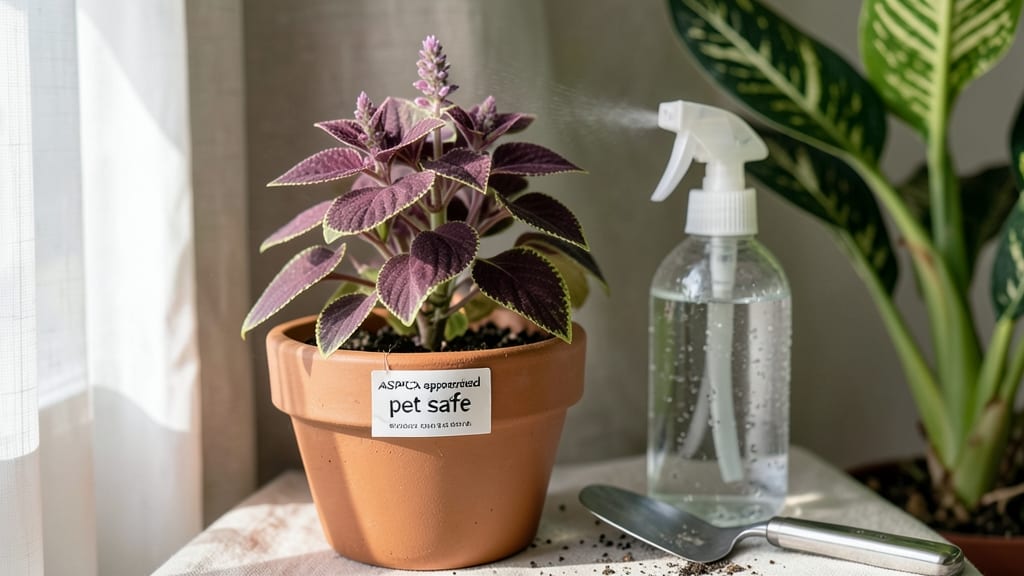
A safe plant pot for root health supports strong growth by ensuring drainage, avoiding harmful chemicals, and maintaining proper airflow. Terracotta, ceramic, and food-grade plastic are proven choices that prevent root suffocation and rot.
A safe plant pot isn't just about looks—it's about creating the right environment for roots to breathe and grow. 🌱 Materials like untreated wood or low-quality plastic can leach toxins over time, disrupting nutrient absorption and stunting plant development.
Even something as simple as poor drainage can lead to waterlogged soil, which suffocates roots and invites fungal growth. The best pots strike a balance between durability and breathability, ensuring your plants thrive without hidden risks.
For example, terracotta pots are porous, allowing excess moisture to evaporate naturally, while ceramic provides a more polished look with similar benefits. Food-grade plastic is another great option for those who need lightweight, budget-friendly containers that still meet safety standards.
Always check for labels indicating "BPA-free" or "non-toxic" to avoid any sneaky additives that could harm your plants over time.
💡 In This Article
- Toxic Materials That Harm Plant Roots
- Best Safe Plant Pot Materials Compared
Toxic materials that harm plant roots
Untreated wood and pressure-treated lumber release harmful chemicals like arsenic, chromium, and copper into the soil as they break down. These compounds alter soil pH and disrupt root respiration, making it difficult for plants to absorb nutrients.
For example, chromated copper arsenate (CCA), a common wood preservative, can linger in soil for years, stunting growth and even killing plants over time. 🌱
Plastic pots made with PVC or low-grade polymers often contain phthalates and bisphenol A (BPA), which leach into the soil when exposed to moisture. These endocrine disruptors interfere with root cell development, weakening the plant's ability to anchor and absorb water.
Even "recycled" plastics may contain additives that degrade slowly, releasing microplastics that clog soil pores and reduce aeration.
Glues and sealants in DIY or repurposed containers frequently contain volatile organic compounds (VOCs) like formaldehyde. When these chemicals seep into the soil, they create an inhospitable environment where beneficial microbes struggle to thrive.
Roots in such conditions often exhibit stunted growth or develop blackened, mushy tips—a clear sign of chemical stress.
Metal pots without proper lining can also pose risks. Zinc or galvanized steel leaches metal ions that accumulate in soil, causing toxicity symptoms like yellowing leaves or leaf curl.
Even stainless steel, while safer, can corrode over time if not properly coated, releasing iron particles that alter soil chemistry and limit nutrient availability.
What most gardeners overlook is how moisture accelerates chemical leaching. A pot left in a damp garage or exposed to frequent watering will release toxins faster than one kept dry.
This is why terracotta and ceramic—natural, non-toxic materials—remain the gold standard for root health, as their porous nature allows excess moisture to evaporate while preventing chemical buildup.
To test for hidden toxins, soak a suspect pot in water for 24 hours and check for discoloration or unusual odors. If the water turns cloudy or smells like chemicals, it's a red flag that the container isn't safe for long-term use. 💛